[pageLogInLogOut]

#Software

TextileGenesis now enables the fashion industry to trace the origin of all materials, sustainable or generic, via its platform

TextileGenesis, a Lectra Group company, announces the integration of a new Supply Chain Discovery module into its SaaS platform. The traceability solution developed by TextileGenesis has already played a pioneering role in providing the fashion ecosystem, thanks to its Fiber to Retail module, with reliable, secure and fully digitized chain of custody of sustainable materials. The new Supply Chain Discovery module completes this offering by identifying the origin of conventional materials. TextileGenesis users can now meet the traceability requirements for all the materials they use on a single platform.

Until now reserved for sustainable and premium materials, the Lectra Group's traceability solution now includes a new module dedicated to conventional materials.

Traceability, a crucial stake in the fashion sector

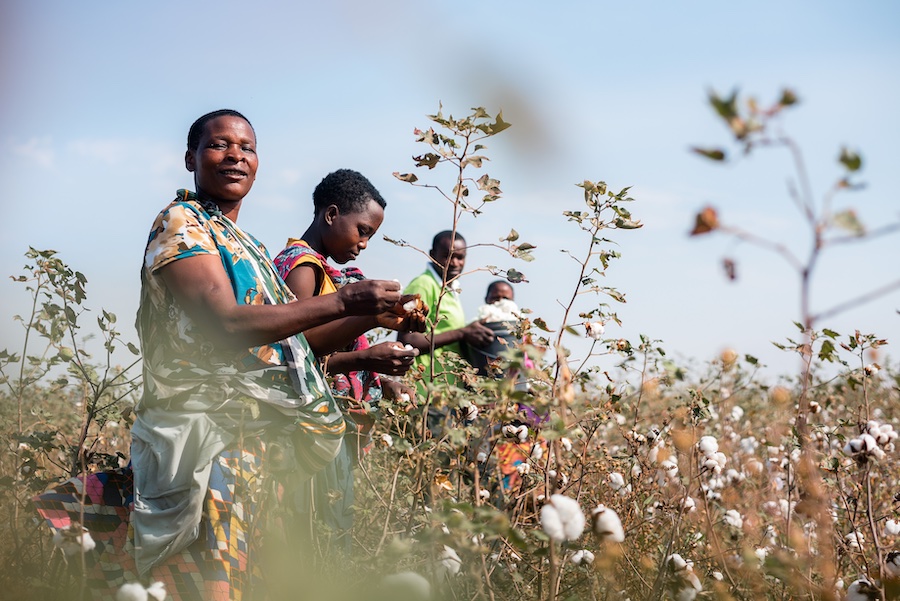
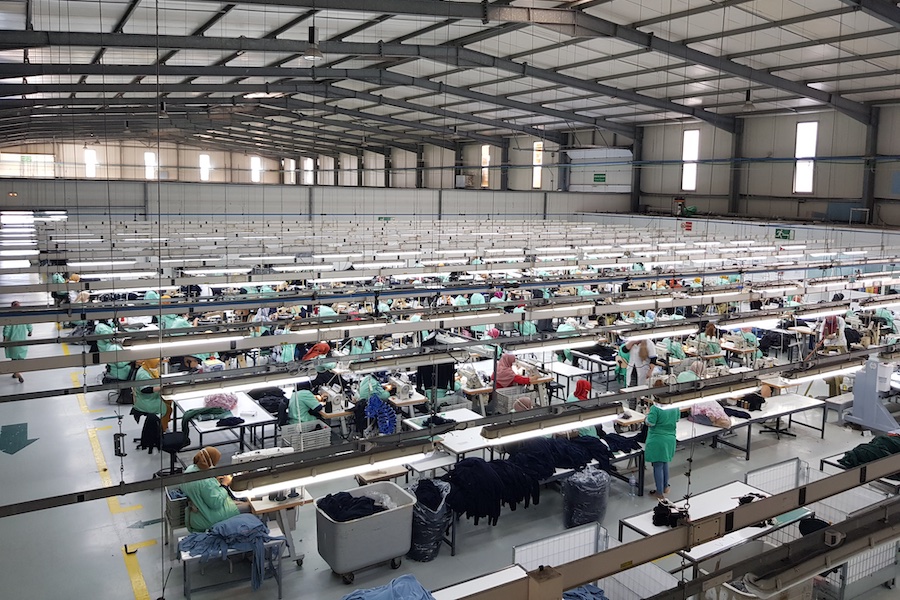
"Fashion is a major industry - its economic weight is estimated at 2.4 trillion dollars - but it is highly fragmented. The ten biggest fashion brands account for just 10% of this global market. The fashion value chain is extremely long, comprising 5 or 6 levels, generally in several countries. For a product as simple as a cotton T-shirt, there can be as many as 10 organizations involved, from cotton farming to retailing. In this context, mapping the entire value chain of a garment and ensuring the traceability of its origin is extremely complex," explains Amit Gautam, founder and CEO of TextileGenesis.

Increasingly, however, in all regions of the world, regulations focusing on sustainability, traceability and transparency in the fashion industry are requiring brands to have a precise overview of their supply chain. TextileGenesis has identified 27 such regulations already enforced or in the process of being adopted.

For fashion companies, this means identifying the textile flows used in their entire product portfolio, from design to production and retail to end-of-life. They need to know and control their supply chain, guarantee its transparency, and ensure that the materials they use do not come from regions with high environmental or social impact.

Two supply chain approaches to optimize textile traceability

Thanks to an innovative traceability mechanism, the TextileGenesis SaaS platform has already enabled fashion companies to track sustainable materials throughout their supply chain, from fiber origin through to the retail of garments.


A new module, Supply Chain Discovery, has now been added.

While Fiber to Retail ensures the traceability of sustainable and certified materials using digital tokens that record every transaction from upstream to downstream of the supply chain in real time, Supply Chain Discovery applies a different approach, tailored more closely to the specific features of the value chain for conventional materials.

This new module works in declarative mode, tracing the supply chain backward, from the finished product to the intermediate players across the value chain. The platform can also be used to record information from certified external bodies that carry out traceability tests on samples.

“The addition of this new module is a huge advantage for users of our platform, as they can now consolidate all the information they need to ensure the traceability of the materials in their product range, whether the garments are made from sustainable or conventional materials," explains Amit Gautam.

He concludes: "We are delighted to be able to offer our customers such a comprehensive solution. It enables them to meet the challenge of total traceability, thanks to a single platform that guarantees the highest levels of reliability and security for the data collected, without having to use two separate systems".



More News from Lectra Deutschland GmbH

#Industry 4.0 / Digitalization

Mango joins TextileGenesis pioneering traceability solution, a Lectra company, for a transparent value chain

Mango, one of the leading international fashion groups, has joined TextileGenesis, the pioneering traceability solution for the fashion and textile industries, to trace their natural and animal fibers, synthetics, man-made cellulosic fibers and leather. TextileGenesis, a Lectra company, offers a complete and secure cutting-edge technology with its six-dimensional (6D) offering and unique “fiber forwards” approach. Mango, has long been committed to maintaining a fully transparent supply chain, and TextileGenesis will reinforce this commitment.

#Textiles & Apparel / Garment

New Retviews study by Lectra: the luxury market in 2025, between margin protection strategies and new iconic pieces

After more than a decade of uninterrupted growth, the luxury fashion market is now experiencing a more pronounced slowdown. Global luxury goods sales have fallen from €369 billion in 2023 to €364 billion in 2024 (according to Bain & Co.), exposing the vulnerabilities of a model long supported by aggressive price increases.

#Recycling / Circular Economy

Recover and TextileGenesis collaborate to verify supply chain integrity of recycled materials

RecoverTM, a global producer of recycled cotton and cotton-blend fibers, has commenced a traceability collaboration with TextileGenesis, a Lectra company, to digitally track its recycled waste materials across the entire textile value chain.

#Industry 4.0 / Digitalization

Lectra launches the Observatory of innovation and transformation in the fashion, furniture and automotive markets

As a leader in technology solutions accelerating the transition of fashion, furniture and automotive companies to Industry 4.0, Lectra announces the launch of its Observatory to mark its 50th anniversary. The Observatory will focus on innovations and changes in the fashion, furniture and automotive markets, to help these sectors stay informed and adapt to new opportunities. The Lectra Observatory’s first white paper on the advent of Industry 4.0 is already available online.

More News on Software

#Software

Tunicotex Group boosts OTDP to 85%, cuts planning time by 25% & expands production capacity by 40%

Coats Digital is delighted to announce that following the implementation of FastReactPlan, leading Tunisian premium knitwear manufacturer, Tunicotex Group, has significantly improved its on-time delivery performance from 75% to 85%, reduced planning time by 25%, minimised delays and penalty costs, and unlocked 40% additional capacity to take on more customer orders and support sustained business growth.

#Industry 4.0 / Digitalization

Suzhou Tianyuan boosts costing accuracy to 98% with Coats Digital’s GSDCost

Coats Digital is delighted to announce that Suzhou Tianyuan Garments Co., Ltd., a leading manufacturer of high-quality sportswear and functional apparel for global brands such as Adidas, FILA, ANTA, and The North Face, has achieved remarkable productivity and cost management improvements following the implementation of Coats Digital’s award-winning method-time-cost optimisation solution, GSDCost.

#Software

Textile Solutions Group appoints Anton Hofmeier as Group CEO

TSG strengthens Group-level coordination and aligns ERP, CAD, MES and shop-floor execution to deliver faster, lower-risk improvements for textile manufacturers.

#Software

Embee International Selects Coats Digital’s GSDCost Solution to Drive Accuracy, Efficiency, and Global Competitiveness

Coats Digital is pleased to announce that leading global apparel manufacturer, Embee International Industries, has implemented Coats Digital’s GSDCost solution across its operations to eliminate inaccurate costing, streamline production processes, and boost competitiveness in international markets. The move forms a key part of Embee International’s digital transformation strategy to drive greater efficiency, improve quality, and strengthen partnerships with its portfolio of top global brands.

Latest News

#Recycling / Circular Economy

Circulose restarts commercial-scale production at Ortviken plant in Sundsvall

Circulose today announced the restart of its commercial-scale production plant at Ortviken in Sundsvall, Sweden, marking a significant step in scaling next-generation materials for the global fashion industry. The company plans to resume production of CIRCULOSE®, a recycled pulp made entirely from discarded cotton textiles, in the fourth quarter of 2026.

#Textiles & Apparel / Garment

VIATT 2026 to debut German Pavilion, strengthening European participation alongside key Asian textile hubs

Vietnam’s textile and garment sector continues to be a major contributor to the country’s economic growth, with export revenues expected to reach USD 46 billion in 2025, a 5.6% increase from 2024 . From 26 – 28 February, the Vietnam International Trade Fair for Apparel, Textiles and Textile Technologies (VIATT) is set to contribute to economic growth opportunities by accelerating digital transformation and green transition across the entire textile value chain. The upcoming edition will respond to the rising demand for advanced technologies and sustainable materials with the introduction of the German Pavilion, alongside strong exhibitor participation from key Asian sectors, as well as several high-profile fringe events.

#Sustainability

Ying McGuire becomes new CEO of Cascale

Cascale today announced the appointment of Ying McGuire as Chief Executive Officer, effective June 1, 2026.

#Technical Textiles

Sustainable, lightweight, and sound absorbing: Polyester-based front trunk solution for BEVs

As car manufacturers look to further reduce their carbon footprint, Autoneum has developed an innovative front trunk solution for battery electric vehicles (BEVs), made entirely from polyester-based textile. The Ultra-Silent Frunk offers significant weight reduction, improved acoustic and thermal insulation, and uses up to 70 percent recycled material, supporting sustainable and efficient vehicle design. Autoneum, global technology leader in acoustic and thermal management for vehicles, has already received orders for the new frunk from three major OEMs in Asia and Europe to be built in three BEV models. Series production for two BEVs has been underway in China and Germany since last year.

TOP