[pageLogInLogOut]

#Recycling / Circular Economy

Recover and TextileGenesis collaborate to verify supply chain integrity of recycled materials
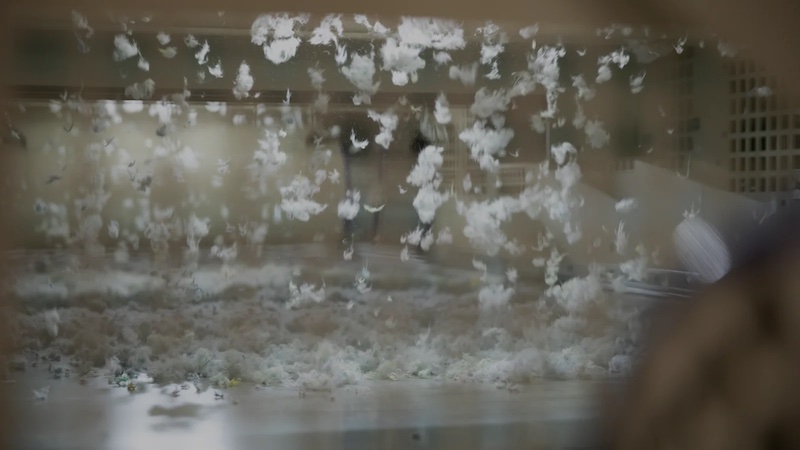
RecoverTM, a global producer of recycled cotton and cotton-blend fibers, has commenced a traceability collaboration with TextileGenesis, a Lectra company, to digitally track its recycled waste materials across the entire textile value chain.
© 2025 Recover
© 2025 Recover


The collaboration focuses on tracing Recover’s recycled cotton and polycotton inputs from fiber production through to finished garments. TextileGenesis’ FibercoinTM technology was used to generate digital tokens for every kilo of material, creating a verified chain of custody at each transformation stage.

The pilot marks a significant milestone in Recover’s circularity roadmap, demonstrating how digital traceability can validate recycled content, drive supplier participation, and enable regulatory compliance, particularly in preparation for the EU Digital Product Passport (:). This pilot with TextileGenesis' traceability solution is intended to complement Recover's existing physical tracer and GRS certification, adding another layer of traceability and transparency.

Following the industry pilot, RecoverTM and TextileGenesis intend to collaborate on implementing full fiber- to-retail traceability for RecoverTM recycled fibers across the entire textile supply chain.

Traceability as a foundation for circularity and regulatory readiness

Fiber-to-retail traceability will enable RecoverTM and its brand partners to access a verified digital chain of custody. This includes authenticated recycled content claims, integration with physical tracer audits where relevant, and visibility into supplier ESG credentials across the chain.

“Traceability plays a foundational role in validating circularity claims and preparing for regulations like the EU Digital Product Passport,” said Orsolya Janossy, Senior Sustainability Manager at RecoverTM. “This pilot will enable us to test the TextileGenesis system in real-world conditions. It will provide our brand partners with verified data to support responsible sourcing, product-level disclosures, and credible circularity claims.”

Delivering scalable traceability through supplier enablement and platform excellence

Recover’s supply chain partners are onboarded to the TextileGenesis platform with multilingual training and full technical support. Suppliers conducted transactions using robust FibercoinTM technology modules—resulting in a complete, transparent digital footprint for each unit produced. TextileGenesis’ ability to deliver structured onboarding, localized guidance, and responsive support was a key success factor.

The seamless coordination across multiple tiers and regions showcases Recover’s leadership in operationalizing traceability at scale—transforming a complex global supply chain into a fully transparent system. This is a meaningful step forward for circular fashion, proving what’s possible when technology, sustainability, and cross-industry collaboration come together.

“RecoverTM is demonstrating how traceability can be embedded into circular business models, not just to validate recycled content, but to create the verified data infrastructure needed for regulatory compliance and brand accountability,” said Amit Gautam, Founder & CEO of TextileGenesis. “This sets the foundation for scalable, digital traceability across the recycled fiber ecosystem.”



More News from Lectra Deutschland GmbH

#Industry 4.0 / Digitalization

Mango joins TextileGenesis pioneering traceability solution, a Lectra company, for a transparent value chain

Mango, one of the leading international fashion groups, has joined TextileGenesis, the pioneering traceability solution for the fashion and textile industries, to trace their natural and animal fibers, synthetics, man-made cellulosic fibers and leather. TextileGenesis, a Lectra company, offers a complete and secure cutting-edge technology with its six-dimensional (6D) offering and unique “fiber forwards” approach. Mango, has long been committed to maintaining a fully transparent supply chain, and TextileGenesis will reinforce this commitment.

#Textiles & Apparel / Garment

New Retviews study by Lectra: the luxury market in 2025, between margin protection strategies and new iconic pieces

After more than a decade of uninterrupted growth, the luxury fashion market is now experiencing a more pronounced slowdown. Global luxury goods sales have fallen from €369 billion in 2023 to €364 billion in 2024 (according to Bain & Co.), exposing the vulnerabilities of a model long supported by aggressive price increases.

#Industry 4.0 / Digitalization

Lectra launches the Observatory of innovation and transformation in the fashion, furniture and automotive markets

As a leader in technology solutions accelerating the transition of fashion, furniture and automotive companies to Industry 4.0, Lectra announces the launch of its Observatory to mark its 50th anniversary. The Observatory will focus on innovations and changes in the fashion, furniture and automotive markets, to help these sectors stay informed and adapt to new opportunities. The Lectra Observatory’s first white paper on the advent of Industry 4.0 is already available online.

#Textile processing

Lectra insources cutting equipment production in China

Lectra, leader in technology solutions accelerating the transition to Industry 4.0 for the fashion, automotive and furniture industries, will now directly manage the production of its cutting equipment manufactured in China, primarily dedicated to its Asian customers. The Suzhou site, located to the west of Shanghai, will thus benefit from the standards of operational excellence already implemented by Lectra at its two other plants in Bordeaux-Cestas, France, and Tolland, USA.

More News on Recycling / Circular Economy

#Recycling / Circular Economy

Reju secures €135 Million in Dutch NIKI Funding for industrial-scale textile-to-textile regeneration hub at Chemelot Industrial Park, the Netherlands

Reju™, the progressive textile-to-textile regeneration company, has been awarded €135 million in funding under the Netherlands’ Nationale Investeringsregeling Klimaatprojecten Industrie (NIKI) program. The funding will support Reju’s planned industrial-scale Regeneration Hub at Chemelot Industrial Park in Sittard-Geleen, covering both the investment phase and ongoing operations, and represents a critical milestone on the path toward final investment decision.

#Recycling / Circular Economy

eeden is now a Canopy partner

eeden is committed to enable circular textiles by developing recycling technologies that turn textile waste into valuable raw materials. But the commitment goes further – eeden advocates for supply chain solutions that uphold responsible environmental and ethical standards, protecting global ecosystems including Ancient and Endangered Forests.

#Recycling / Circular Economy

Infinited Fiber Company’s environmental permit for Kemi advances to statutory appeal phase

Infinited Fiber has reached an important regulatory milestone in Finland, as the environmental permit process for a potential facility in Kemi has progressed to the statutory appeal phase.

#Recycling / Circular Economy

Carbios confirms Longlaville plant in France following financing progress

Carbios has reaffirmed its plans to build its Longlaville plant in France within a project financing framework, targeting the start of production in the first half of 2028. The company also reports a solid cash position of around €60 million at the end of 2025 and has appointed Benoît Grenot as Deputy Chief Executive Officer to support the execution of its strategic projects.

Latest News

#Raw Materials

New study shows low environmental impact by Cotton made in Africa Organic Cotton from Tanzania

Today, the Aid by Trade Foundation (AbTF) is announcing the results of a comprehensive life-cycle analysis (LCA) for cotton produced in Tanzania under the Cotton made in Africa Organic (CmiA Organic) standard. The study emphasises the small ecological footprint of CmiA Organic verified cotton. This can largely be traced back to the absence of synthetic pesticides, artificial fertilisers, and artificial irrigation. Consequently, CmiA Organic cotton can help the textile industry meet regulatory requirements as well as science-based targets. The results also show that the consequences of climate change threaten the livelihoods of these cotton farmers, even though the type of agriculture they practise barely contributes to climate change.

#Raw Materials

Better Cotton Initiative strengthens regenerative focus in standard update

The Better Cotton Initiative (BCI) has strengthened the regenerative focus of its field-level standard with the launch of a new version of its Principles & Criteria (P&C), which marks the next step in the organisation’s journey to becoming a regenerative standards system.

#Man-Made Fibers

Selenis and Kintra Fibers partner to scale 100% bio-based synthetic fiber technology

Selenis, a leading global specialty polyester manufacturer, today announced a strategic manufacturing partnership with materials science company Kintra Fibers to scale Kintra’s patented fiber-grade PBS resin - a 100% bio-based and biodegradable material designed for textile applications.

#Functional Fabrics

PERFORMANCE DAYS proves its relevance as the industry’s key meeting point

Held on March 18–19, 2026, PERFORMANCE DAYS once again confirmed its position as a leading international platform for functional textiles. A total of 3.366 trade visitors and around 560 exhibitors gathered in Munich, with the event already kicking off successfully on DAY 0, which received highly positive feedback for its interactive format. Despite challenging conditions caused by the public transport strike in Munich, the event saw strong attendance and a consistently high level of activity across both exhibition days.

TOP