#Research & Development
“Production is a product”
Interview
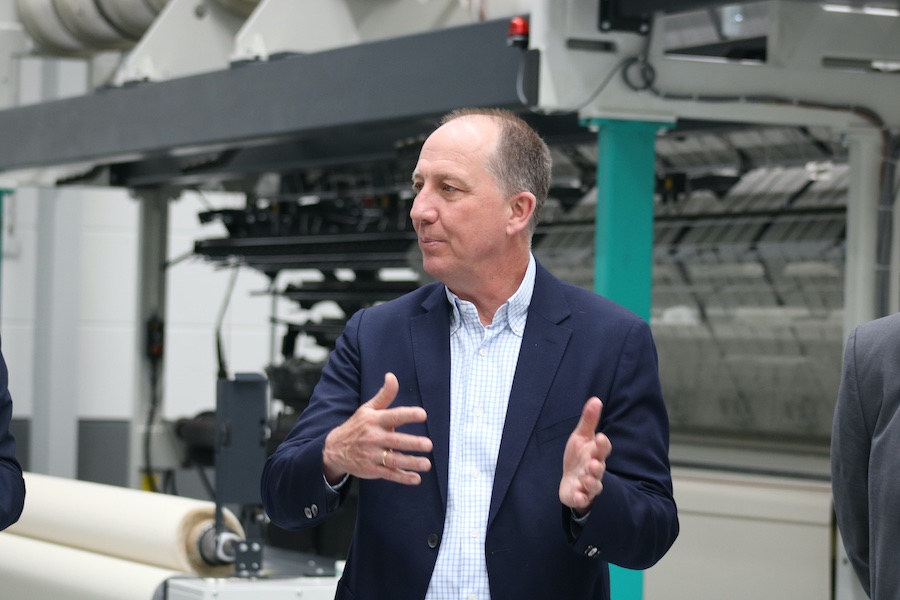
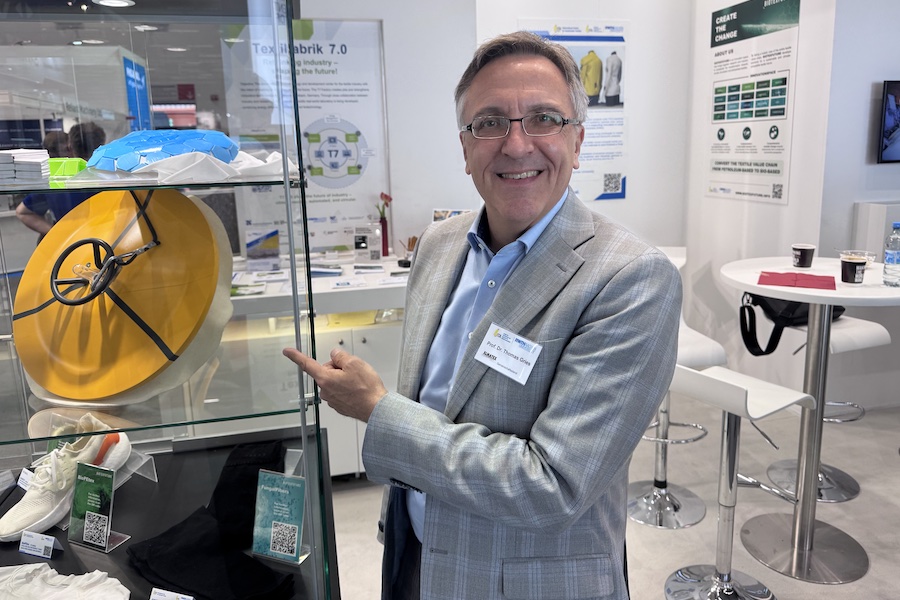
Professor Dr Thomas Gries
Director
Institut für Textiltechnik of RWTH Aachen University
by Oliver Schmidt, Editor in Chief, TexData International
25 YEARS OF PERSONAL COMMITMENT TO ITA
Prof. Gries, you recently celebrated your 25th anniversary and have played a key role in building and shaping ITA Aachen. Looking back, which developments and milestones have been most decisive for the institute and its strategic direction?
It is actually even more years than that. I attended my first Techtextil around 40 years ago – as a student at the time – and I was already fascinated by the enormous diversity of the industry. Topics such as carbon fibres, early textile concrete applications or textile solutions for medical applications were just emerging. At the same time, interdisciplinarity was becoming increasingly important.
We were later able to build on these developments. Of course, in the beginning you also make mistakes, and there were phases in which we had to reposition ourselves strategically. Parallel to the transformation of the textile industry towards technical textiles, the institute itself also had to redefine its position.
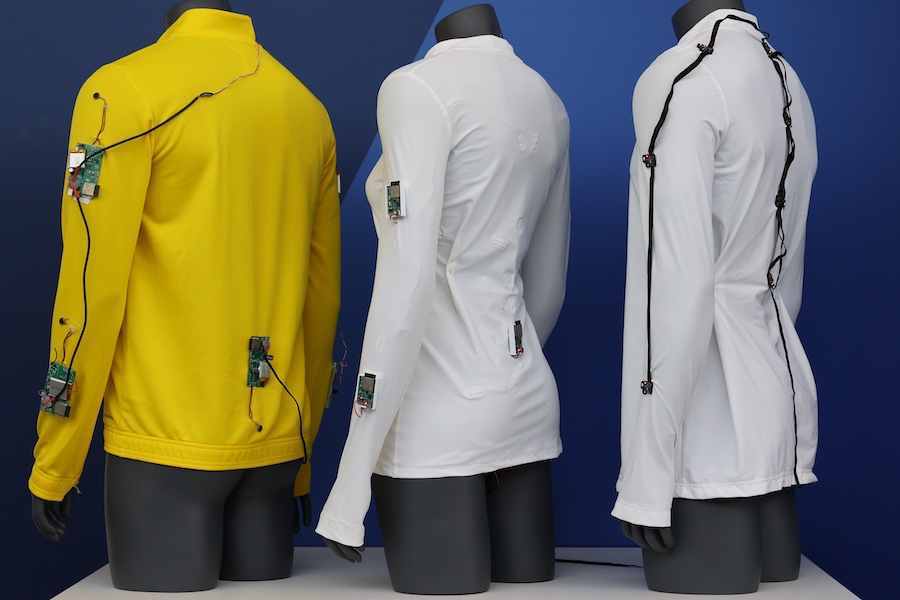
One decisive step was expanding ITA along the entire textile value chain. Based on my experience in plant engineering – from fibre production to finished technical textiles – we developed the institute more strongly as a full-range provider. Simultaneously, we continuously expanded interdisciplinary cooperation in areas such as construction, medical applications and later Smart Textiles. Especially in Smart Textiles, we were able to help shape production technologies at a very early stage. Together, we consciously invested in organisational development and corporate culture. Sustainable growth only works when structures and processes evolve as well. That is why we repeatedly adapted and further developed the organisation step by step.
Important milestones later on included the new institute building, which brought many areas together and created additional synergies, as well as the expansion of fibre technology around carbon fibres. At the same time, our partnership with McKinsey enabled us to establish the Digital Innovation Center Europe (DICE). Overall, this period was characterised by a strong development boost and numerous innovation and start-up activities. Not everything worked out – for example, our attempt to establish a research institute in Turkey was ultimately unsuccessful. What was missing there was the entire innovation ecosystem consisting of research, industry and infrastructure.
Today, however, I see a very stable foundation for the next stages of development. The goal now is to further develop and sustainably secure the grown structure in the long term. The next step should move towards a foundation structure.
ITA IN AN INTERNATIONAL CONTEXT
ITA Aachen has developed into one of the leading institutes for textile technology. From your perspective, what were the decisive factors behind this positioning – and how has international collaboration changed over the years?
“First of all, it is important to say that we are not alone in Germany. Strong competition is part of the system. Institutes such as Dresden or Denkendorf have also positioned themselves extremely well. This kind of healthy competition ultimately makes everyone stronger and ensures that the institutes develop different profiles.
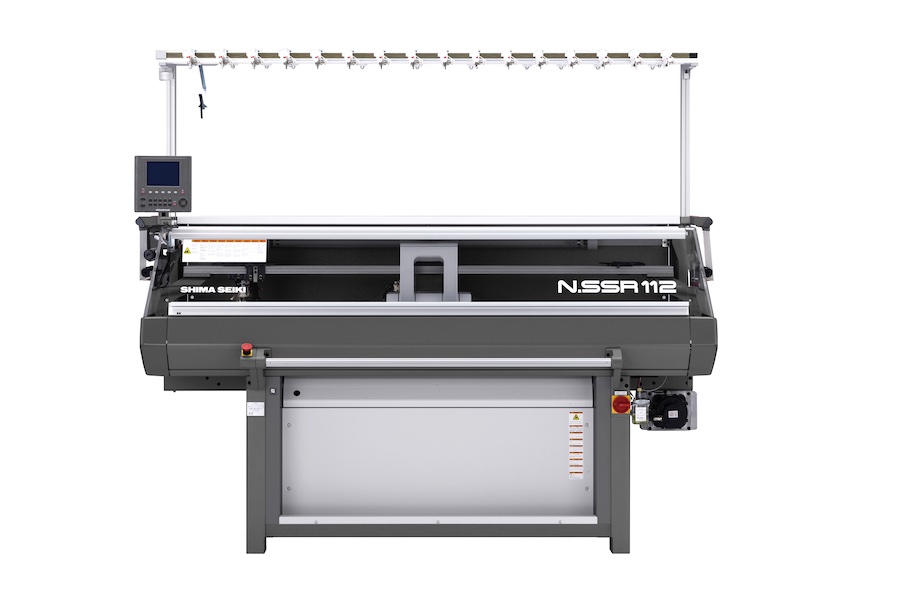
One key success factor in Aachen is certainly our strong focus on production technology, textile chemistry and the transfer of research into industrial applications. While some institutes are more strongly focused on fundamental research, our strength lies in actually bringing new technologies into production. That is why our machinery infrastructure is also set up differently. We do not simply work with existing technologies; we continuously develop the next generation of production technology. As a result, we are in a constant state of transformation. This has become an important part of our positioning.
Internationally, we have also seen for years a clear trend towards technical textiles – for example in Korea, India or Japan. Many international partners have strong expertise in products or materials, but far less frequently in process and production technologies. That is often where our role begins.
I often say: ‘Production is a product.’ This mindset has historically been very strong in Germany. Other countries often have excellent individual technologies or exciting material ideas. But turning these into a stable industrial production line and a marketable product is often the real challenge. This is exactly where many of our international collaborations emerge.
It is also important to know your own strengths and limitations. Successful international cooperation only works when every partner understands the contribution they can make. This clarity has helped us in many projects.”
TRANSFORMATION OF THE TEXTILE VALUE CHAIN
You have closely followed the textile industry for decades. How has the textile value chain changed during this time – and where do you see the biggest structural shifts today?“The textile industry is essentially in a constant state of transformation. During one of my trips to India, I once read a headline that still holds true today: ‘The textile industry is always dying but never dead.’ That describes the industry quite well.
Looking back historically, there have always been fundamental changes – both in raw materials and in products and production structures. Flax was replaced by cotton, wool lost importance, and later man-made fibres emerged. Even there, we saw constant change – from wood to coal and later petroleum as the raw material base.
At the same time, entire industrial sectors changed or disappeared. When I was studying in Aachen, there was still a traditional woollen spinning industry there. Today, it no longer exists. At one go, technical textiles have grown significantly and have become one of the key drivers of the industry.
Globally, we are now seeing a strong concentration around only a few major market players. This affects many sectors – from apparel to technical applications. Large-volume markets are increasingly dominated by a small number of international players. Smaller companies can often only survive through specialisation and added-value strategies.
Particularly in machinery and technical textiles, I therefore see the greatest opportunities in highly specialised niches and value-added products rather than standardised mass products. This development will continue to intensify.
At the same time, we are seeing new discussions around reshoring, decentralised production structures and regional value creation. I believe that within the next 20 years we will once again experience a very fundamental reorganisation of production landscapes – especially in Europe.
Smaller, flexible and technologically well-supported structures may become increasingly important again. Topics such as repair, recycling, regional production or new logistics models will play a larger role in the future. Nobody can fully predict exactly what this development will look like. But I am convinced that we are once again facing a profound transformation of the industry.”
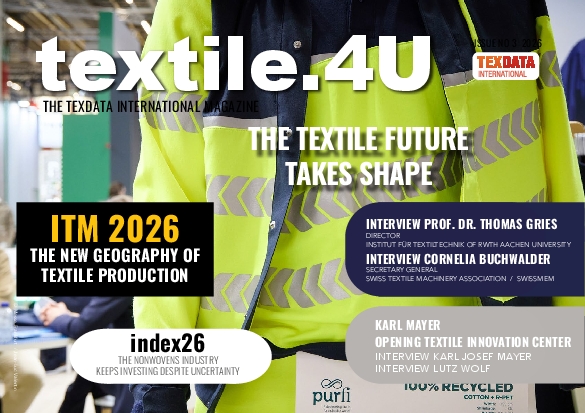
The full interview can be read in the latest issue of textile.4U, available for free download here: