#Raw Materials
Cotton Brazil brings producers' perspective to EU textile sustainability debate
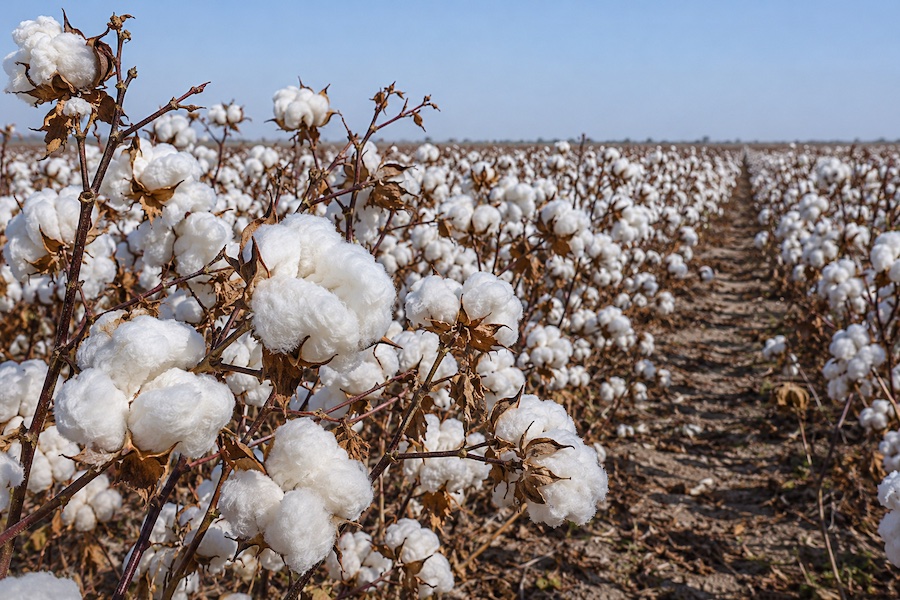
The programme, organised under the title Cotton Brazil Dialogues Brussels, includes a roundtable at the European Parliament, discussions with Brazilian diplomatic representatives and meetings with agricultural attachés from other natural fibre-producing countries.
A central event will be the roundtable “The critical role of cotton in Europe's sustainable ambitions”, scheduled for 17 November at the European Parliament. Hosted by Member of the European Parliament Hélder Sousa Silva and supported by Cotton Brazil, the discussion will bring together producers, industry representatives and policymakers.
The agenda will focus on the relationship between large-scale agricultural production, environmental sustainability, climate resilience and the protection of natural resources.
European sustainability rules raise questions for global fibre producers
The initiative comes as the European Union continues to develop regulatory frameworks affecting textile production, sourcing, consumption and recycling.
Policy developments such as the planned Circular Economy Act and the EU Bioeconomy Strategy are placing greater emphasis on circularity, resource efficiency, sustainable materials and responsible sourcing.
For cotton-producing countries, these developments raise questions about how environmental performance should be assessed and how different agricultural systems can be recognised within European sustainability requirements.
“At a time when Europe is translating its sustainability ambitions into concrete policies, it is essential that the voices and experiences of producing countries are part of the conversation. Cotton Brazil Dialogues provides an opportunity to build bridges between producers, policymakers and industry stakeholders, demonstrating how responsible cotton production can contribute to shared sustainability objectives,” said Lisa Ventura, Head of International Partnerships at the Brazilian Cotton Growers Association (Abrapa).
Brazil highlights responsible cotton production and traceability
A key objective of the Brussels discussions is to demonstrate how large-scale cotton production can be combined with responsible agricultural practices.
Cotton Brazil intends to present Brazil's experience with tropical agricultural systems, including the use of innovation, traceability and improved production practices to support measurable sustainability progress.
The initiative also aims to highlight cotton's wider economic and social importance. According to the organisers, cotton supports the livelihoods of approximately 100 million families worldwide, while United Nations estimates cited by Cotton Brazil suggest that the extended value chain sustains between 300 million and 350 million jobs.
Beyond textile manufacturing, cotton production is closely linked to rural development, agricultural employment and economic resilience in producing regions.
The discussions will therefore examine how sustainability policies can encourage improvements in agricultural production while taking account of differing environmental conditions and production systems.
EU-Mercosur relations provide additional context
The Brussels programme will also address the relationship between European sustainability regulations and international trade.
On 17 November, the Cotton Brazil delegation is scheduled to meet Pedro Miguel da Costa e Silva, Brazil's Ambassador to the European Union, to discuss challenges and opportunities for Brazilian commodities under evolving EU policies.
Further meetings with agricultural attachés and representatives of other natural fibre-producing countries are planned for 18 November.
These discussions will focus on regulatory and commercial challenges in the European market, opportunities for cooperation and the need for transparent, science-based approaches to sustainability assessment.
“With the EU-Mercosur Agreement creating new opportunities to strengthen ties between Brazil and Europe, this is an important moment to deepen cooperation on sustainability and trade. As Europe develops its policy frameworks, it is essential that these are grounded in science, recognise the diversity of global production systems and encourage continuous improvement across the textile value chain,” added Ventura.
Seeking a common approach to sustainable sourcing
Through its Brussels agenda, Cotton Brazil aims to strengthen cooperation between cotton-producing countries and European stakeholders on sustainability, traceability and responsible sourcing.
The initiative also seeks to ensure that future European requirements recognise the diversity of global agricultural production systems while maintaining transparent and consistent environmental standards.
For the international textile industry, the discussions illustrate the growing importance of dialogue between fibre producers and policymakers as sustainability regulations increasingly influence global sourcing and supply chains.