[pageLogInLogOut]

#Raw Materials

New U.S. cotton study uses real-world grower data to reveal where fiber impacts occur

An independently reviewed, ISO-compliant life cycle assessment drawing on primary data from 753 growers across 17 states

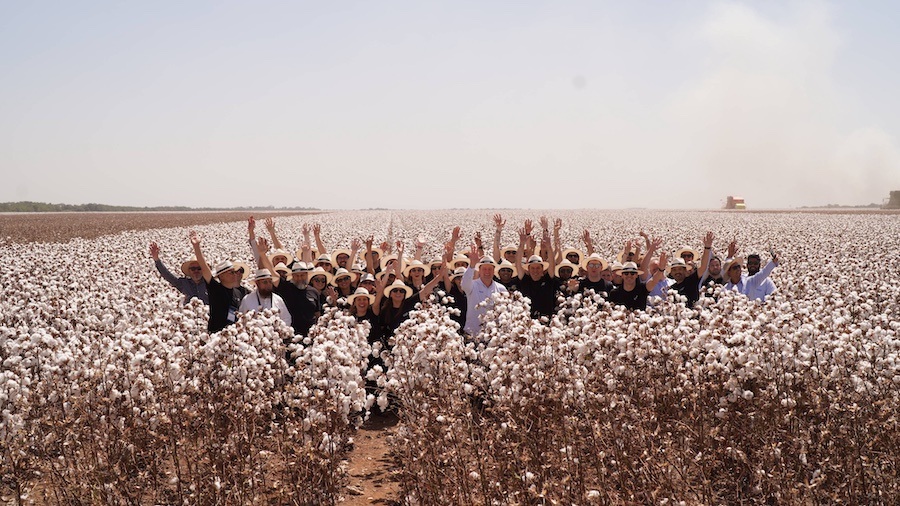
Cotton Incorporated has released a critically reviewed life cycle assessment (LCA) of U.S. cotton fiber production that examines how cotton’s environmental impacts are measured and where meaningful improvements can be made across the value chain. The new data, grounded in real‑world grower inputs, measures what drives U.S. cotton’s environmental footprint from field to gin.

The International Organization for Standardization (ISO)-compliant study, critically reviewed by an independent three-person expert panel, evaluates environmental impacts at the cradle-to-gate stage. Based on primary data from growers, the study offers new clarity into the key impact drivers including fertilizer production, on-farm emissions and irrigation, and highlights how methodological choices influence how results are interpreted.

“U.S. cotton growers have invested decades in improving their environmental performance, and this study puts real numbers behind that progress,” said Jesse Daystar, Ph.D., vice president and chief sustainability officer at Cotton Incorporated. “With 753 growers contributing primary data across 17 states, this is one of the most transparent assessments of any fiber available today. As brands face growing pressure to back their sustainability claims with credible science, this LCA gives them exactly that: a clear, independently reviewed baseline for U.S. cotton that can inform sourcing decisions, regulatory compliance and tracking meaningful improvement over time.”

Key findings include:

  • Carbon and emissions: The study reports that the cradle-to-gate production of 1 kg of U.S. cotton fiber generates 1.45 kg of fossil CO2 equivalent emissions. When accounting for biogenic carbon flows, including carbon stored in soil and temporarily in the fiber, the modeled-net result at this production stage is -0.264 kg CO2e per kilogram of fiber. These results are presented within the defined system boundary and reflect how carbon is accounted for within the study.
  • Where impacts occur: Fertilizer production and field emissions were identified as the primary drivers of environmental impact across most categories, while irrigation was the dominant factor in water-related impacts. These inputs are applied as needed based on growing conditions, and the insights provide a clearer understanding of where interventions can most effectively reduce cotton’s footprint.
  • A broader environmental view: In addition to greenhouse gas emissions, the study evaluates a range of environmental indicators, including water use and scarcity, energy demand, air quality and nutrient-related impacts, offering a more complete picture of cotton’s environmental profile.
  • Baseline for improvement: The LCA establishes a robust, science-based baseline to support ongoing research and continuous improvement across the cotton industry, particularly in areas such as precision agriculture, irrigation efficiency, soil health and fertilizer innovation.
  • Methodology matters: Sensitivity analysis showed impacts could vary by more than 50% depending on how results are calculated, including differences in allocation methods and background datasets, underscoring the importance of transparency and consistency in interpreting sustainability data.

The LCA provides brands and other stakeholders with updated science-based data that can inform sustainability reporting, fiber sourcing decisions and broader efforts to assess cotton within material strategies. The findings offer a foundation for evaluating cotton’s environmental profile and identifying where future progress may be made.

The full LCA report and executive summary are available at
CottonWorks.com/LCA.


More News from Cotton Incorporated

#Natural Fibers

Plastic-free stretch technologies drive new direction for denim innovation

As the denim industry looks for ways to reduce its reliance on synthetic fibres, plastic-free stretch technologies are gaining momentum. Developments based on mechanical fabric construction and natural rubber are demonstrating that comfort and stretch can be achieved without conventional elastane, supporting both recyclability and circular product design.

#Natural Fibers

Cotton ConneXions Insight to Impact brings supply chain leaders together around cotton innovation

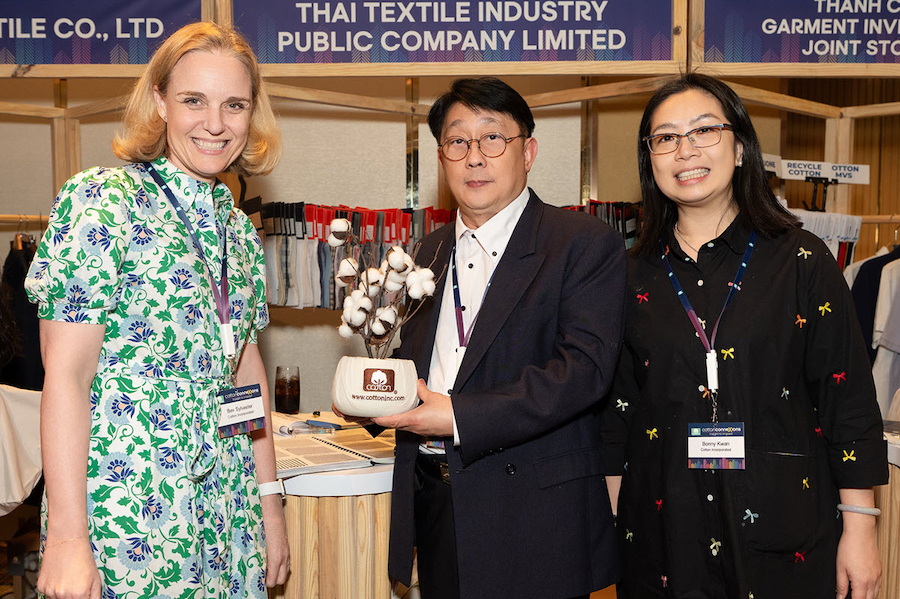
Cotton Incorporated’s Cotton ConneXions Insight to Impact brought together more than 300 industry leaders from 140 companies across 10 countries, including more than 45 top global brands and sourcing organizations, underscoring strong global interest in cotton-rich product development, sourcing and supply chain collaboration.

#Natural Fibers

Dr. Jane Dever inducted into the 2025 Cotton Research and Promotion Hall of Fame

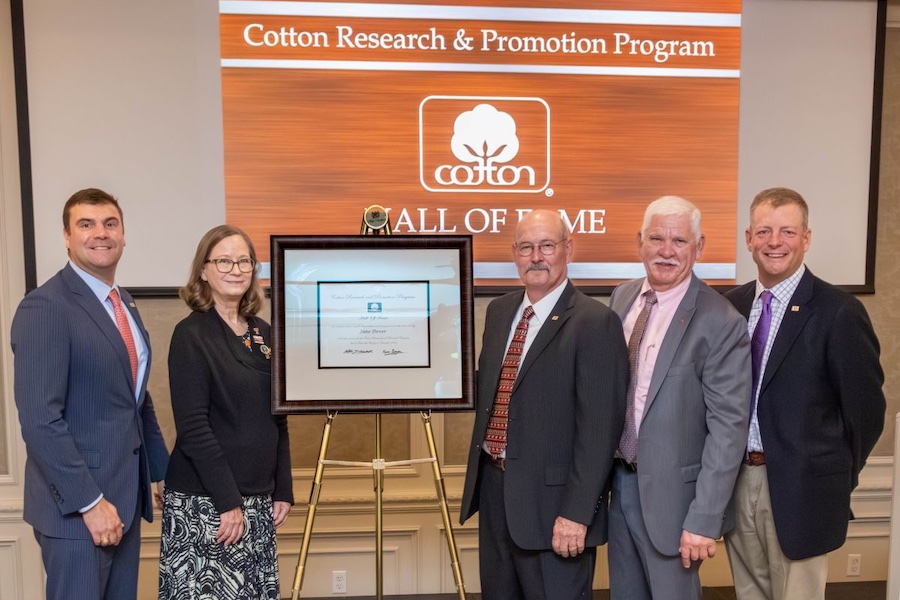
Dr. Jane K. Dever, a recognized leader in cotton breeding and fiber quality research, was inducted into the 2025 Cotton Research and Promotion Hall of Fame during the joint Cotton Incorporated/Cotton Board Annual Meeting held on December 9 in New Orleans, LA.

#Natural Fibers

Cotton Incorporated unveils reimagined CottonWorks platform

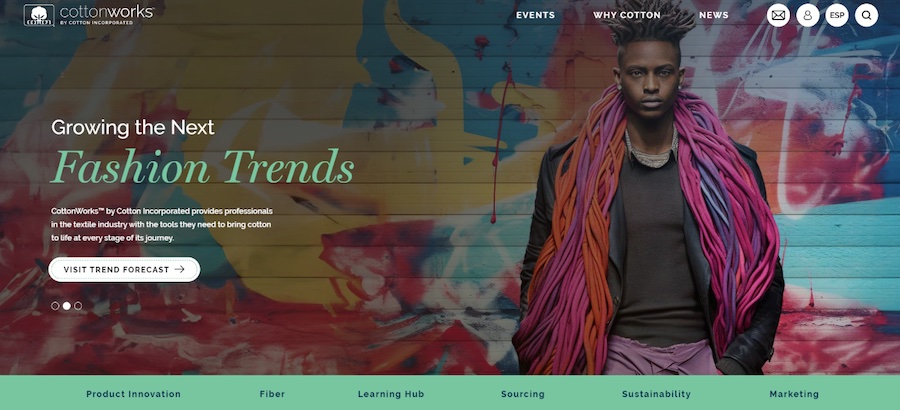
Cotton Incorporated today announced the launch of a reimagined CottonWorks™ website, an ambitious digital transformation designed to meet the evolving needs of today’s global textile professionals across every stage of the value chain. The new platform is more than a redesign – it is an intuitive, fashion-forward platform built to support compliance, product development, sourcing, and education across the textile industry.

More News on Raw Materials

#Raw Materials

Cotton made in Africa puts farmer dialogue at the heart of agricultural training

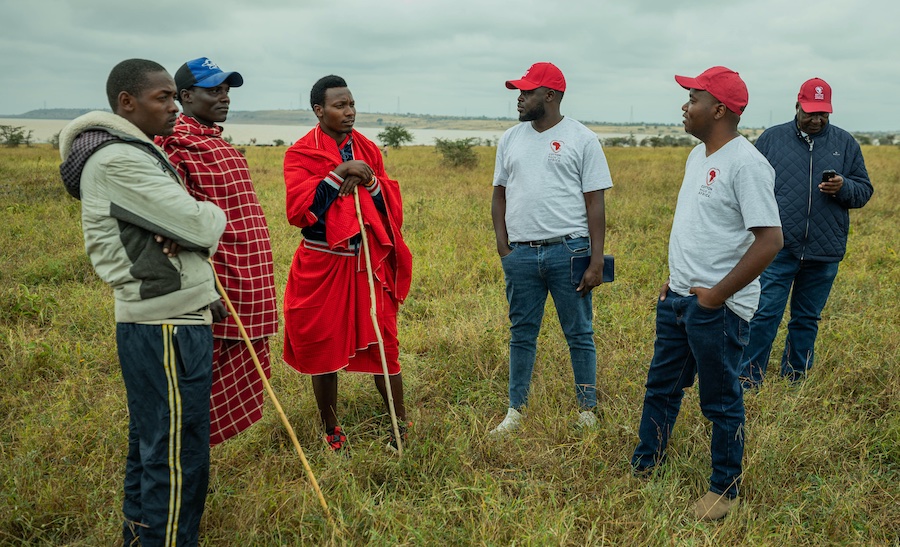
A new manual created by the Aid by Trade Foundation and African People & Wildlife shows how Cotton made in Africa aims to transform cotton cultivation through dialogue rather than directives.

#Raw Materials

Redesigned World Cotton Day website offers tools, ideas and inspiration

With World Cotton Day just one month away, the International Cotton Advisory Committee (ICAC) has launched a completely redesigned www.WorldCottonDay.com, creating a new global home for everyone who wants to learn about, celebrate, and support cotton.

#Raw Materials

ICAC’s 84th Plenary Meeting to be held March 24-26, 2027, in Alexandria, Egypt

Registration will soon be open for the International Cotton Advisory Committee’s 84th Plenary Meeting, to be held March 24-26, 2027, in Alexandria, Egypt. The local Organizing Committee in Egypt has chosen “Building a Resilient and Competitive Future for Cotton and Textiles” as the theme for the event, which will be held at the Rixos Montaza Alexandria Resort.

#Raw Materials

Cotton Brazil Dialogues 2026 concludes with 50 international participants immersed in Brazilian cotton production

The Cotton Brazil Dialogues concludes its 2026 edition after a series of technical visits to farms, cotton gins and reference centers, as well as workshops focused on Brazilian cotton production. A total of 50 participants from 14 countries took part in the field trips. The initiative is led by the Brazilian Association of Cotton Growers (Abrapa) and the National Association of Cotton Exporters (Anea), with support from the Brazilian Trade and Investment Promotion Agency (ApexBrasil).

Latest News

#Knitting & Hosiery

SHIMA SEIKI to showcase flat knitting and digital design solutions at Egypt Stitch & Tex

Leading Japanese computerized flat knitting technologist SHIMA SEIKI MFG., LTD. of Wakayama, Japan, together with its sales representative in Egypt, TTS (EL MASRIA FOR TRADE & TECHNICAL SERVICES), will participate in the upcoming 24th International Exhibition for Textile & Carpet Machineries, Printing Technologies and Accessories (Egypt Stitch & Tex) to be held in Cairo, Egypt this month.

#Sustainability

Wendy Woods named Chair of the Fashion for Good BV Board

Fashion for Good is pleased to welcome Wendy Woods as its new board chair, succeeding Jill Beraud as of 1 September 2026, who had led the board since 2022.

#Industry 4.0 / Digitalization

Coats Digital launches AI-powered GSD RealMotion for motion analysis

Coats Digital has launched GSD RealMotion, an AI-powered solution designed to provide apparel manufacturers with greater visibility into factory-floor operations. By analysing shop-floor video and applying Coats Digital’s GSD methodology, the solution turns video recordings into structured, motion-by-motion method studies.

#Textile chemistry

Archroma and Lameirinho partner in pioneering deployment of InOneGO single-step dyeing

Archroma, a global leader in specialty chemicals, and Lameirinho, a leading home textiles manufacturer based in Portugal, are collaborating to bring InOneGO by Archroma, a new single-step dyeing process, into commercial production. Lameirinho’s first InOneGo bedlinens collection is now available worldwide.

TOP