#Raw Materials
New study shows low environmental impact by Cotton made in Africa Organic Cotton from Tanzania
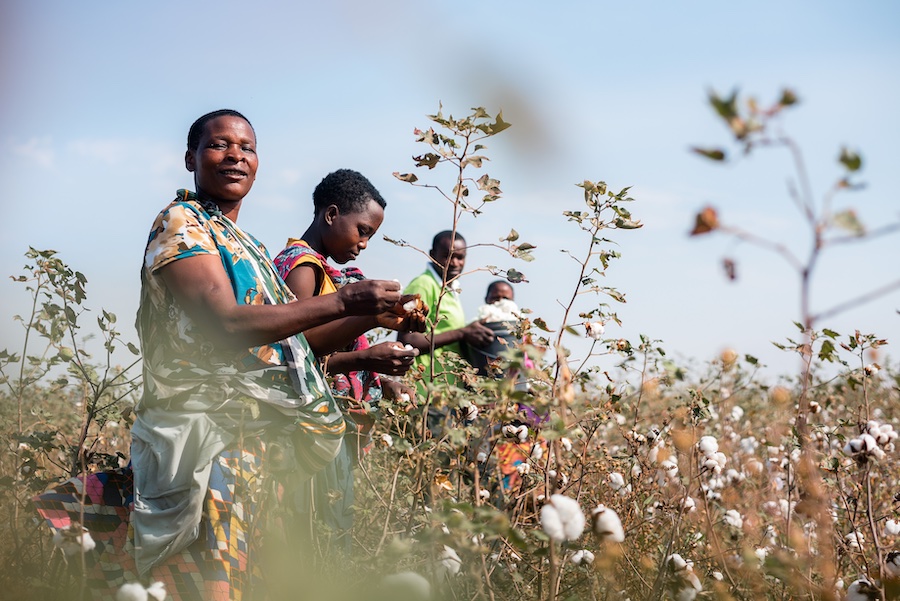
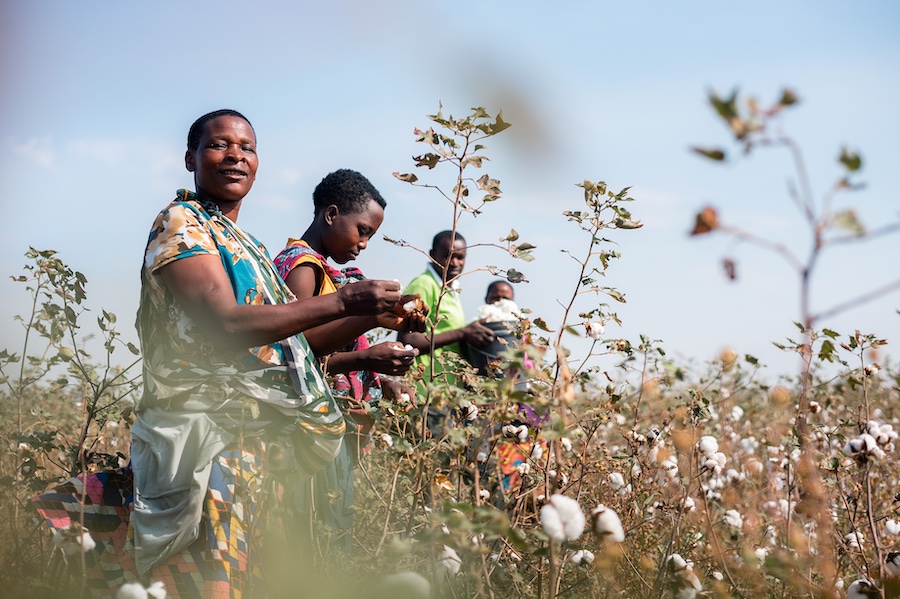
Part of a larger, critically reviewed LCA from Textile Exchange, the study quantifies the environmental impact of CmiA cotton from Tanzania at all stages from cultivation to ginning, showing that the cotton is produced following an environmentally friendly, rainfed model. This approach is characterised by smallholders completely avoiding the use of mineral fertilisers and synthetic pesticides, only limited mechanisation, and no genetically modified seeds. As a result, ecological threats posed by industrial cotton-production systems—such as fertiliser production or the consumption of what is termed “blue water”[1]—are negligible for CmiA Organic cotton from Tanzania. For example, less than one kilogram of CO2 equivalents is emitted per kilogram of ginned cotton fibres. Biodiversity-promoting measures and natural methods, such as the use of biochar or bokashi, increase soil fertility while protecting groundwater.
CmiA Organic helps the textile industry meet regulatory requirements and science-based targets
Alexandra Perschau, the head of Standards & Outreach at the Aid by Trade Foundation, states, “The LCA provides valuable insights into the environmental performance of CmiA Organic cotton, reaffirming our commitment to transparency and to continuous improvement in environmental protection. Its results underline the inherent sustainability benefits of practising organic farming in accordance with the CmiA Organic standard, which prioritises ecological balance and the well-being of farmers. Fashion brands and textile companies that use CmiA Organic cotton have an opportunity to meet their science-based targets as well as the increasing regulatory requirements for transparency.” “Sourcing Cotton made in Africa Organic supports our transition from conventional cotton to organic cotton production with increased transparency. Collaborations like the one we have with Aid by Trade Foundation are essential in order for us to reach our organic cotton targets,” states Danique Lodewijks, Sustainable Raw Materials Manager at Bestseller.
Climate justice for African smallholders
The result of the LCA study also underlines the issue of climate justice for smallholders in cotton-growing areas. They suffer immensely from the effects of climate change, as droughts, unpredictable precipitation patterns, and torrential rainfall make it difficult to sow, grow, and harvest the cotton plants. The cotton plants are weakened and increasingly affected by pests. Consequently, cotton farmers are finding their livelihoods under existential threat—even though the type of agriculture they practise barely contributes to climate change, as the study now shows. This makes Cotton made in Africa’s holistic approach all the more important. It focusses on preserving biodiversity, maintaining soil health, and protecting natural resources. It also provides comprehensive training, which enables cotton producers to make their farms resilient to climate change, thereby creating a future for themselves, their families, and cotton cultivation as a whole.