[pageLogInLogOut]

#Raw Materials

Aid by Trade Foundation reaches new milestones in supply chain transparency
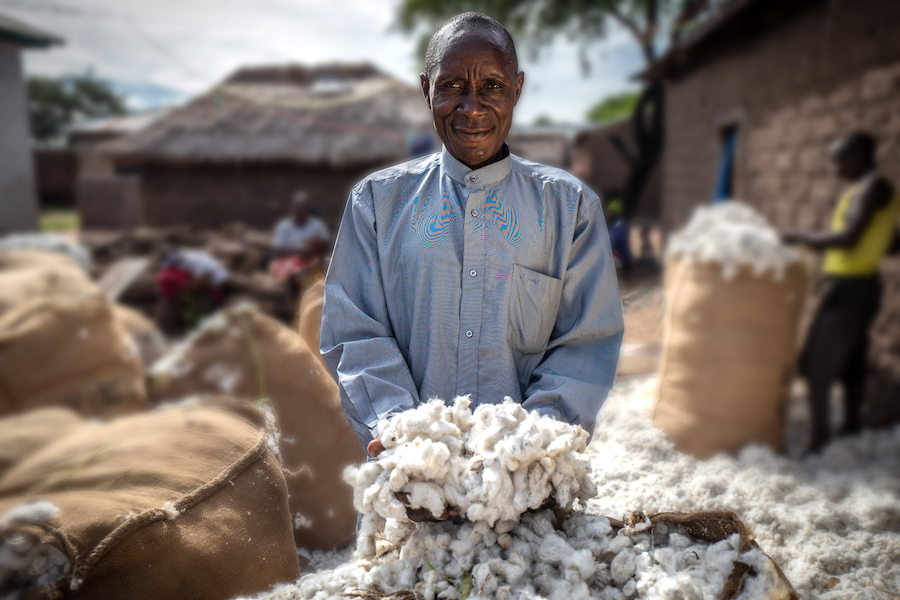
With around 700 suppliers and producers in a total of 25 countries, the Aid by Trade Foundation has reached a new record number of partners who can trace Cotton made in Africa® (CmiA) cotton from the product back to its origin. This is more than double the previous year’s figure. CmiA cotton; Credit_Martin J. Kielmann for CmiA
The Aid by Trade Foundation (AbTF) is reaching new milestones as it leads the way towards greater physical traceability for Cotton made in Africa® (CmiA) cotton. With around 700 suppliers and producers in a total of 25 countries, the Aid by Trade Foundation has reached a new record number of partners who can trace CmiA cotton from the product back to its origin. This is more than double the previous year’s figure.


“As a standards organisation, our mission is to ensure transparency throughout global supply chains,” says Tina Stridde, the managing director of the Aid by Trade Foundation, explaining, “The physical traceability of Cotton made in Africa cotton, one of the world’s leadings standards for verified cotton that respects human rights and biodiversity, is very important for textile companies and fashion brands. It ensures that social and environmental criteria are adhered to during cotton production and that their customers can make informed purchasing decisions. It also prevents greenwashing because audits create full transparency that the verified cotton is used.”

Partners—such as Bestseller, the Otto Group, OVS, Primark, and the Rewe Group—are already using the system today.

By working with the Aid by Trade Foundation, textile companies of all sizes—from fashion brands to retailers—can bring products to market with the assurance that only cotton verified under Cotton made in Africa or Cotton made in Africa Organic was used from field to shelf; the cotton can be traced from bale to yarn to fabric to textile product. This is also a way for them to meet increasing regulatory and due diligence requirements without taking legal risks.

A long-term partner, the REWE Group, sets a milestone in this respect. “We have reached our goal and were able to fully trace the Cotton made in Africa cotton used in our private label products back to its origin by the end of 2025," says Torsten Stau, Executive Buying Director Non Food / Indirect Spend REWE Group. "The transparency system of the Aid by Trade Foundation enables us to clearly prove the origin and ensure that the cotton comes from African small-scale farmers who produce under recognized social and environmental standards. In this way, we are further increasing transparency along the entire supply chain, strengthen customer trust, and at the same time make a direct contribution to supporting the people in cultivation.”

Working closely with supply chain partners is key to credibility.

To ensure physical traceability, the Aid by Trade Foundation works closely with suppliers and producers worldwide. This collaboration is built on a solid foundation: the Hard Identity Preserved (HIP) chain of custody model, which has proved its worth since its introduction in 2008. The HIP system allows cotton to be consistently and reliably traced back from the finished textile to its origin. Because it applies in all cotton-producing countries in which AbTF is active, rather than just in a limited selection of regions, the system achieves attractive figures. To date, around 33,000 tonnes of physically traceable CmiA cotton have been processed worldwide into some 190 million textile items. Around 700 spinning mills as well as fabric and textile producers from a total of 25 countries are currently operating in accordance with its requirements—and these numbers continue to grow. These companies can reliably ensure traceability for Cotton made in Africa and Cotton made in Africa Organic verified cotton.

As of March 2026, the Transparency Standard is mandatory.

For all partners who want to prove that their products contain CmiA cotton, the Transparency Standard will be mandatory starting in March 2026. Introduced in the spring of last year, it offers an extended security portfolio that encompasses digital transaction documents (DTDs) as well as risk-based desktop audits, which are carried out by independent and ISO-accredited audit companies. Thanks to the Transparency Standard’s successful introduction, the Aid by Trade Foundation plans to make it available for cashmere fibres verified under The Good Cashmere Standard® starting in 2027.

More News from Aid by Trade Foundation (AbTF)

#Natural Fibers

Cashmere specialist joins AbTF Board of Trustees

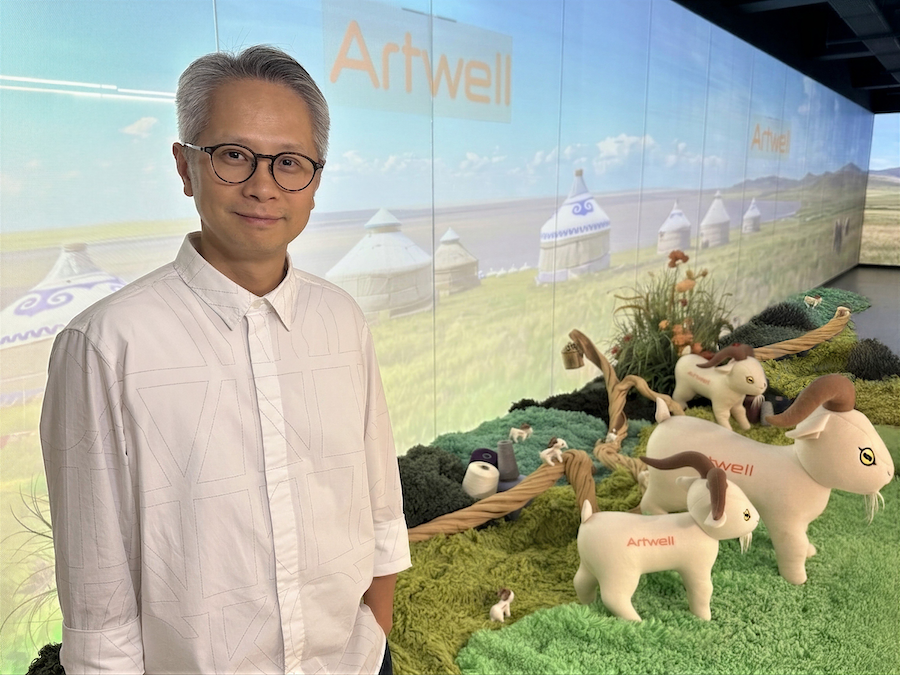
The Aid by Trade Foundation (AbTF) is pleased to welcome Brian Yu, the chief executive officer of the Artwell Group, to its board of trustees. As CEO, Brian Yu developed Artwell into the world’s largest supplier of responsibly produced cashmere knitwear.

#Natural Fibers

The Good Cashmere Standard expands Animal Welfare Assessment on audited farms

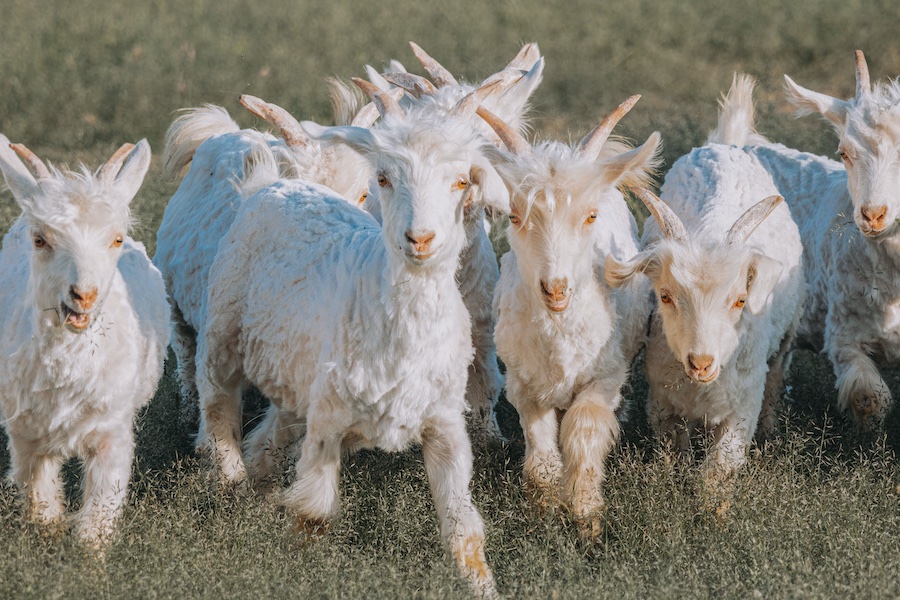
With the Animal-related Animal Welfare Assessment (ARAWA), the Aid by Trade Foundation (AbTF) conducts a pioneering project for the second consecutive year in 2025, parallel to the independent verifications of The Good Cashmere Standard® (GCS). ARAWA assessments provide a comprehensive overview of the health status of a herd on an audited farm, going beyond standard verification procedures. They are inherently complex, which still makes them a rarity in the standard sector, but offer support in identifying non-conformities and provide a holistic overview of the herd's well-being. Therefore, the Aid by Trade Foundation will continue this crucial project and even further expand it by 2027.

#Natural Fibers

Cashmere producers stress the importance of The Good Cashmere Standard®

At the invitation of the Aid by Trade Foundation (AbTF), over 70 experts from the cashmere production and supply chain, as well as other specialists, met at the GCS Unit Meeting in Shanghai, China to discuss the progress and new objectives of The Good Cashmere Standard (GCS). The meeting focused on implementation and verification of the standard, important aspects of animal welfare and the importance of the standard in the global textile market.

#Natural Fibers

Aid by Trade Foundation publishes 2024 annual report: Growing impact for environment and people

The Aid by Trade Foundation (AbTF) is on a growth track. Despite a challenging global economy, AbTF increased its income by six percent from 2023 to 2024, reaching a total of EUR 8.6 million. This revenue has been invested in comprehensive measures for the sustainable production of cotton and cashmere as well as for expanded measures to ensure transparency in global value chains. In addition to gaining new partners in 2024—including big names like Mango, Nordstrom, and CWS Workwear—AbTF was able to expand its global stakeholder network active in the production of raw materials or textiles.

More News on Raw Materials

#Natural Fibers

Global cotton trade poised for recovery as India and China drive import demand

The July 2026 issue of Cotton This Month highlights a changing global cotton market, with consumption and trade expected to strengthen despite a modest decline in production during the 2026/27 season. The next issue of Cotton This Month will be released on August 1, 2026.

#Natural Fibers

Cotton made in Africa partners receive top marks in independent verifications

Cotton made in Africa® (CmiA) and CmiA Organic are two internationally recognised standards that aim to promote sustainable development in the African cotton sector south of the Sahara. To ensure the standards’ credibility among brands, retailers, and consumers, independent verifiers evaluate compliance on the ground. The verification results for 2025, now published in the Aggregated Verification & Implementation Report, were very strong: The verifiers awarded consistently very good remarks regarding management, people, prosperity, and the environment.

#Natural Fibers

Cotton ConneXions Insight to Impact brings supply chain leaders together around cotton innovation

Cotton Incorporated’s Cotton ConneXions Insight to Impact brought together more than 300 industry leaders from 140 companies across 10 countries, including more than 45 top global brands and sourcing organizations, underscoring strong global interest in cotton-rich product development, sourcing and supply chain collaboration.

#Natural Fibers

Bremen Cotton Exchange: Fritz A. Grobien re-elected as President

The members of the Bremen Cotton Exchange have re-elected Fritz A. Grobien as President during the association’s 152nd General Assembly on June 18, 2026. The election confirms the organization’s commitment to maintaining its role as a leading international platform for the cotton and fiber industry amid a period of geopolitical and economic uncertainty.

Latest News

#Dyeing, Drying, Finishing

Ferraro S.p.A. acquires the “Finishing” business unit of Cibitex S.r.l.

Ferraro S.p.A. and Cibitex S.r.l. are pleased to announce the completion of the agreement pursuant to which Ferraro S.p.A. has acquired the “Finishing” business unit of Cibitex S.r.l., specialized in the development and manufacturing of technological solutions for textile finishing.

#Recycling / Circular Economy

Reju opens its first R&D Center in the U.S. in Conshohocken, Pennsylvania

Reju, the company specializing in textile regeneration, today announced the opening of a Research and Development (R&D) Center in Conshohocken, Pennsylvania, the company's first proprietary research center in North America. Located within Technip Energies' existing Advanced Materials and Catalysts research center, the lab will allow Reju to accelerate the rollout of its recycling technologies and develop its next-generation circular solutions.

#Weaving

Itema reaffirms its commitment to the Syrian textile industry at NasTex 2026

From July 18th to 21st, Itema will exhibit at NasTex at the Damascus Fairground (Hall 11 – Stand C02), marking its return to one of the Middle East’s historically significant textile markets. Itema will showcase advanced weaving technology designed to support the competitiveness and technological evolution of Syrian manufacturers and announces a new partnership with Growfast Agency as the sole agent of Itema in Syria.

#Knitting & Hosiery

KARL MAYER's HKS 2-SE Expands Possibilities for Premium Stretch WARP KNITS

Warp knitted fabrics with a woven look are more in demand than ever in the fashion and apparel industries. Stretch WARP KNITS, in particular, impress with their freedom of movement, breathability, and virtually wrinkle-free wear – thereby opening up new style worlds such as smart casual or business casual. When it comes to the highly efficient production of premium-quality stretch WARP KNITS, the HKS 2-SE has long been the machine of choice. KARL MAYER’s best-selling tricot machine produces standard elastic fabrics characterized by high gauges, smooth, delicate surfaces, and a soft hand feel.

TOP