[pageLogInLogOut]

#Technical Textiles

DuPont introduces Tyvek® APX™ 400 protective coverall, setting a new benchmark for extreme breathability

New coverall benefits from groundbreaking materials technology that offers extreme breathability without sacrificing performance or durability
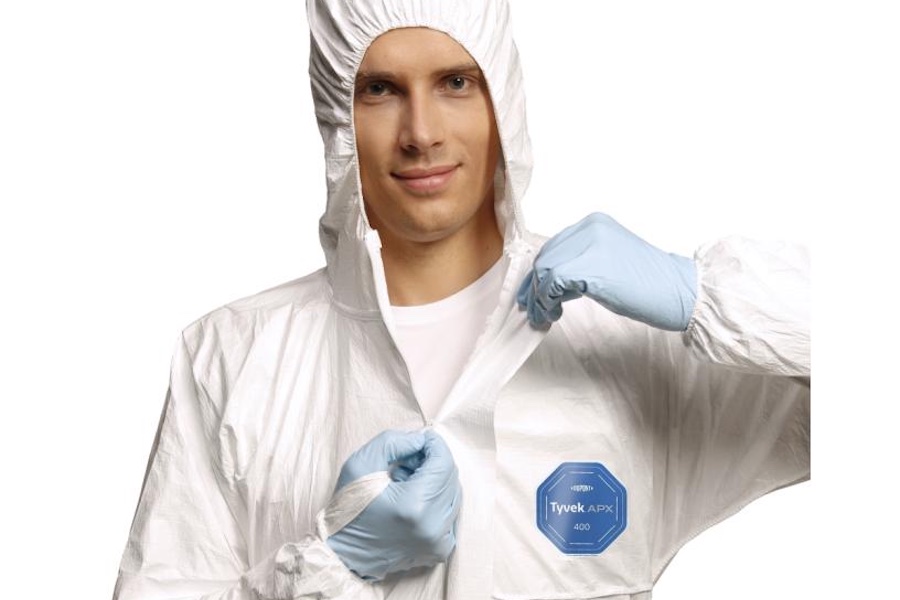
New from DuPont: Tyvek® APX™ 400 protective coverall is the first in a new generation of extremely breathable disposable chemical protection garments. © 2026 DuPont
DuPont (NYSE:DD) announced the launch of the Tyvek® APX™ 400 protective coverall, the first in a new generation of extremely breathable disposable chemical protection garments. Manufactured using DuPont™ Tyvek® APX™ groundbreaking fabric, the new garment combines 360° protection and durability with extreme breathability, taking worker comfort and safety to a whole new level.

Comfort as a science

Balancing comfort and safety in protective garments has always been a compromise, particularly in high temperature, high humidity applications. Through continued innovation, DuPont has made Tyvek® garments more breathable while preserving their exceptional performance and durability. Tyvek® APX™ fabric is the result. It offers an outstanding combination of protection and comfort, helping workers to perform at their best, especially in physically demanding environments.

The fabric’s enhanced performance was validated through collaboration with experts who applied scientific methods to assess breathability and worker well-being. Empa, the Swiss Federal Laboratories for Materials Science and Technology, conducted human thermoregulation modeling and biometric monitoring under controlled conditions. The research assessed thermal strain, sweat rate, skin temperature, and overall comfort perception. Human trials with biometric monitoring then confirmed the simulation data. The research evaluated the breathability of Tyvek® APX™ protective clothing under real-world working conditions. These included high ambient temperatures, controlled humidity, and medium to high activity levels.

Empa’s thermoregulation model showed that Tyvek® APX™ fabric allows a slower rise in core body and skin temperature than traditional garment options, including standard clothing. This helps reduce heat strain and perceived thermal stress. It also shortens recovery time during high temperatures and strenuous activity. Additional customer wear trials involving almost 300 users worldwide confirmed a clear preference for garments made with the new material. Some compared the sensation to wearing casual clothing rather than PPE.

“Since we unveiled Tyvek® APX™ fabric less than six months ago, the response from our customers and industry partners has been overwhelmingly positive,” said Chloé Caux-Wetherell, EMEA Marketing Manager at DuPont. “It’s a game-changer for health and safety professionals, giving them the ability to enhance worker well-being and reduce the risk of them suffering from heat build-up when wearing essential protective garments. With the launch of Tyvek® APX™ 400, we are providing the benefits of comfort and safety to as many people as possible, as quickly as possible.”

A new era of chemical protection

The Tyvek® APX™ 400 protective coverall offers full body protection and unrivalled wearer comfort. It is the first protective coverall in the Tyvek® APX™ range and can be specified for any application requiring Category III, Type 5-B and 6-B chemical protection.

Thanks to the new material technology, the Tyvek® APX™ 400 disposable chemical garment combines extreme breathability with proven design features, including a three-piece hood for optimal wearer visibility and movement, an integral Tyvek® thumb loop to keep sleeves in place during overhead movement, and a Tyvek® zipper and flap for ease of donning and doffing. These are complemented by an elasticated waist for flexibility of movement, plus elasticated wrists, ankles, and face to minimize chemical ingress. 

Tyvek® APX™ fabric offers an outstanding combination of protection and comfort, especially in physically demanding environments © 2026 DuPont


Sustainable choice

Because the single-use Tyvek® APX™ 400 coverall is made from a mono-material (HDPE), it is readily recyclable if no contamination has occurred*. In addition, the coverall is available in boxes of 25, dramatically reducing the amount of plastic packaging waste.

The Tyvek® APX™ 400 protective coverall is available commercially from March 2026.

For more details about Tyvek® APX™ 400, please visit:

safespec.dupont.co.uk

Information about Tyvek® APX™ fabric and wear trials can be found here:

tyvek.co.uk/apx


*Tyvek® is made of HDPE, and products made of 100% Tyvek® material can be recycled at facilities that recycle flexible HDPE materials. Please check recycling facilities in your area to ensure they can recycle Tyvek®.


More News from Dupont

More News on Technical Textiles

#Heimtextil 2027

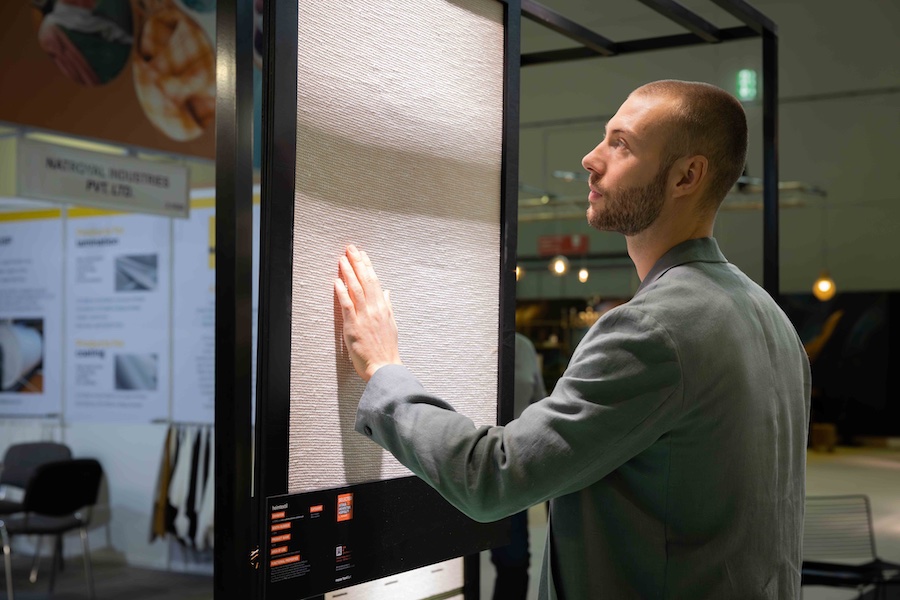
Heimtextil 2027 introduces Functional Futures Lab for innovative performance materials

Heimtextil 2027, taking place from 12 to 15 January in Frankfurt, will introduce the Functional Futures Lab, a new special showcase dedicated to innovative materials and their functional properties. Curated by Future Fabrics Expo, the exhibition will present developments ranging from temperature-regulating and flame-resistant textiles to bio-based composites and experimental material concepts. By bringing together early-stage prototypes and commercially available solutions, the showcase aims to provide guidance for future material selection and product development in architecture, interior design and hospitality.

#ITMA Asia + CITME 2026

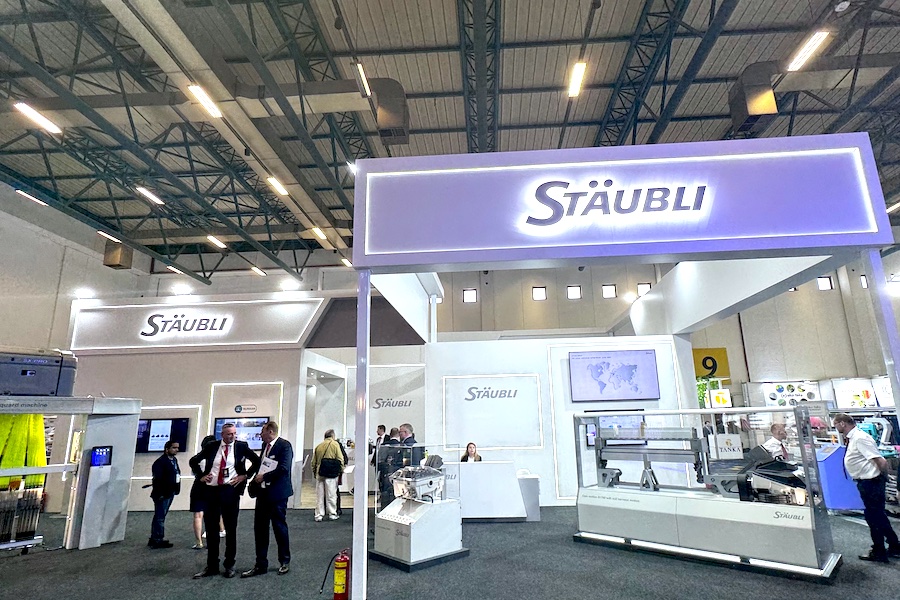
Stäubli supports Asia’s weaving industry with solutions across the full value chain

From PCB fiberglass fabrics to denim production, and from premium Jacquard weaving to 3D technical textiles, Stäubli continues to drive the transformation of Asia's textile industry through innovative technologies. With reliable machine performance, advanced automation solutions, and a comprehensive service offering covering the entire equipment lifecycle, Stäubli is committed to helping weaving mills enhance productivity and overall operational efficiency, enabling them to better meet future market challenges.

#Spinning

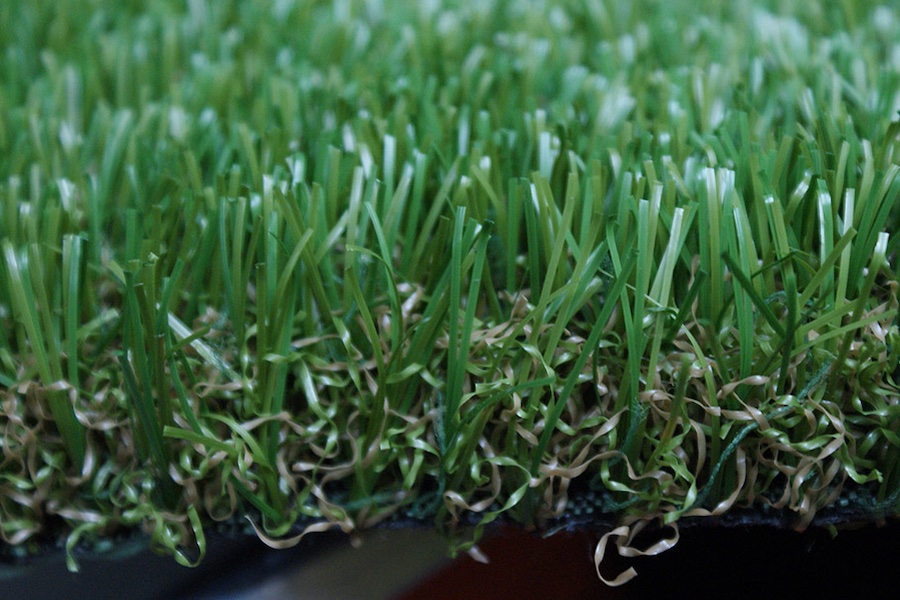
STC Extrusion GmbH: Specialist in artificial turf and technical monofilaments

With the foundation of STC Extrusion GmbH, headquartered in Chemnitz, Germany, a technical competence and know-how hub for the production of artificial turf and technical monofilaments has been established within the Starlinger Group.

Latest News

#ITMA Asia + CITME 2026

KARL MAYER expands TM WEFT capabilities for fashion fabrics at ITMA ASIA 2026

A new E 36 gauge, an EL pattern drive and improved yarn tension regulation extend the application possibilities of KARL MAYER's TM WEFT warp knitting machine. At ITMA ASIA 2026, the company will demonstrate the developments alongside a collection of woven-like warp knitted fabrics for fashion and apparel.

#Recycling / Circular Economy

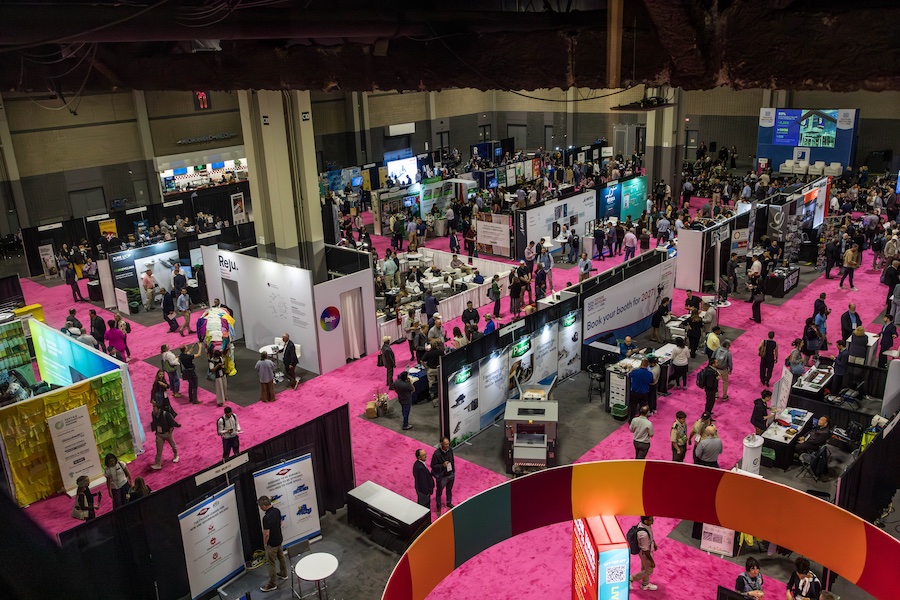
Textiles Recycling Expo USA 2027 opens registration and expands with manufacturing exhibition

The second edition of Textiles Recycling Expo USA will take place on 7–8 April 2027 in Charlotte, North Carolina. Following a debut that attracted more than 1,800 visitors and 95 exhibitors, the event will expand its exhibition and conference programme and will be held alongside the new Textiles Manufacturing Expo.

#Research & Development

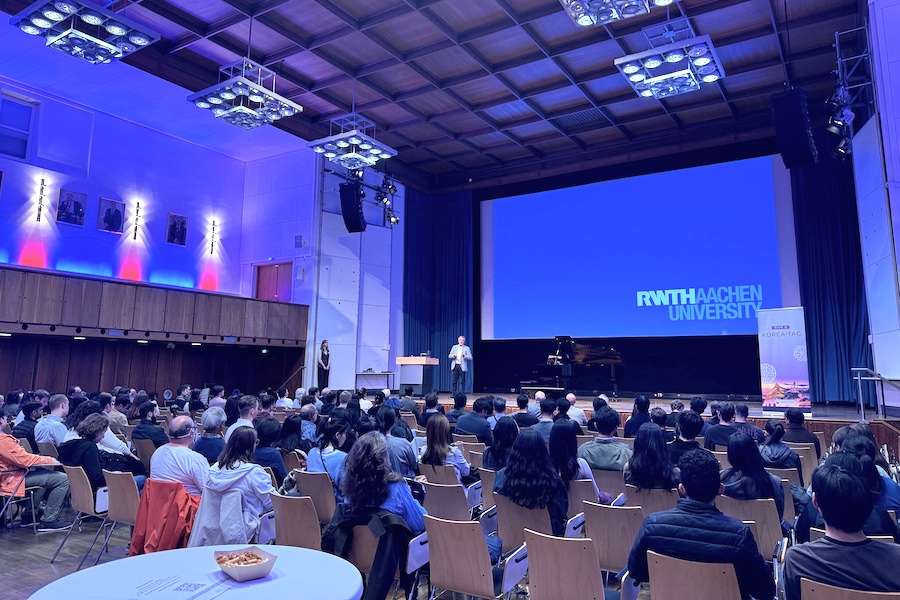
First "Korea Day" at RWTH Aachen attracts more than 300 participants

The inaugural Korea Day in Aachen brought together representatives from science, business and Korean institutions to strengthen German-Korean cooperation in research, technology and education. The Institut für Textiltechnik (ITA) of RWTH Aachen University was among the participating organisations.

#Textiles & Apparel / Garment

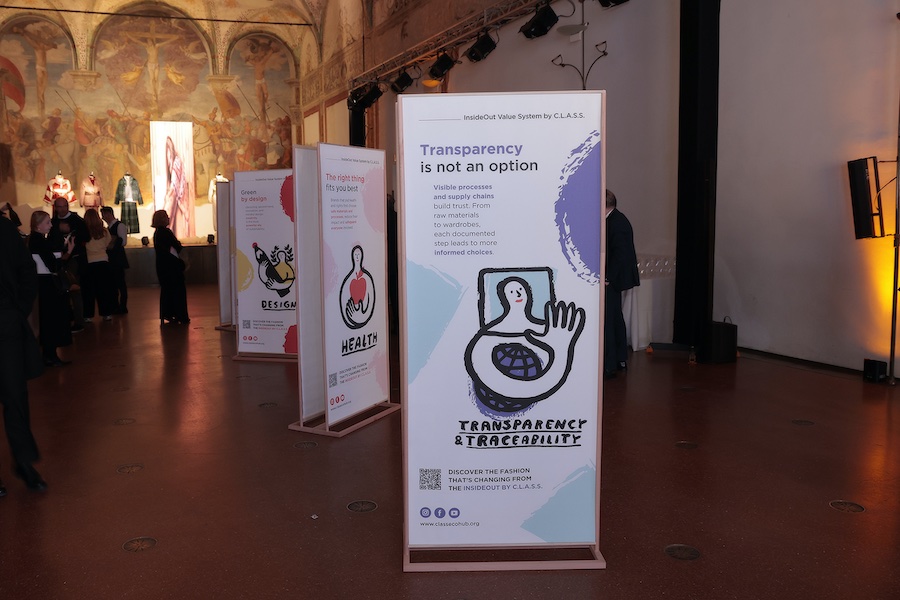
MarediModa highlights transparency and traceability with InsideOut by C.L.A.S.S.

The InsideOut by C.L.A.S.S. exhibition at MarediModa 2026 in Cannes focused on transparency, traceability and the measurable values behind fashion products. Its Decalogue of Values aims to make environmental, social and production-related information more accessible throughout the textile supply chain.

TOP