[pageLogInLogOut]
INNOVATION: IT'S IN OUR DNA - swiss textile machinery

#Technical Textiles

IAA 2025: Redefining Mobility Through Innovation and Sustainability
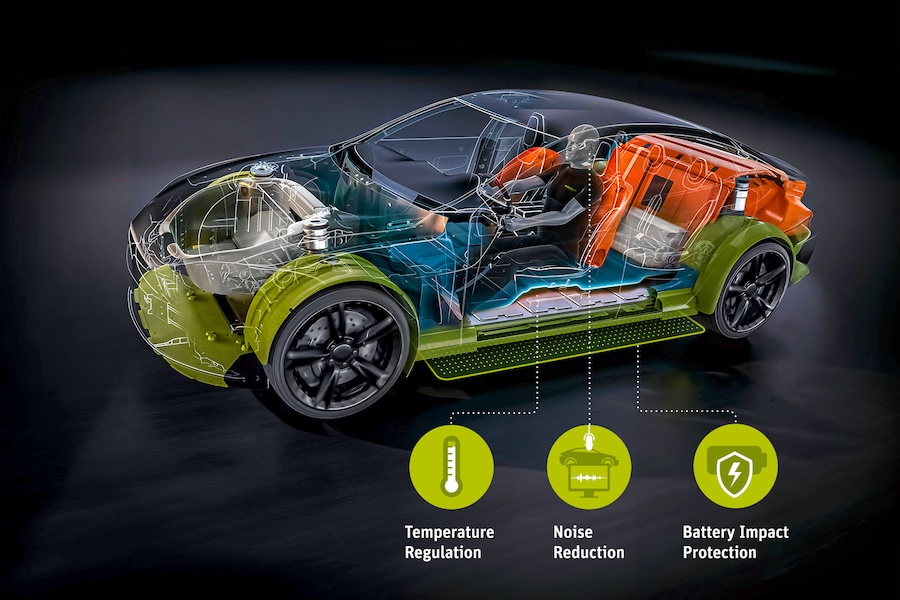
The IAA MOBILITY 2025 in Munich is all about transformation. With its key themes of mobility, technology, sustainability and smart infrastructure, the trade fair is setting the tone for the future of mobility. As the global leader in acoustic and thermal management for vehicles, Autoneum contributes to these developments with innovative and resource-efficient solutions – from material development to series production. In addition to its standard product portfolio, the company is now also developing specialized components for battery-powered mobility – with a focus on occupant protection and battery safety.
© 2025 Autoneum
© 2025 Autoneum


The automotive industry is facing a profound transformation that goes far beyond electrification. Key future trends include software-defined vehicles, autonomous driving, connected mobility and the ongoing decarbonization of supply chains.

Autoneum is responding to these developments with a clear focus on innovation and sustainability. The company’s products are not only suitable for all types of drive systems, but also for the requirements of software-based vehicle architecture. With NVH solutions for quiet interiors, thermal shielding for battery modules, and fully recyclable materials, Autoneum is helping to make the mobility of tomorrow safer, more comfortable and more resource efficient.

Illustration of Autoneums products in a car

Sustainability – circular economy in action

Sustainability is a key focus. Autoneum processes over 30,000 tons of recycled PET annually – equivalent to around three billion 0.25-liter bottles. Products such as Flexi-Light PET, Di-Light, and the fully recyclable N-Join1 carpet consist of over 90% recycled material and thus make a measurable contribution to decarbonization and resource conservation.

Flexi-Light PET, a particularly malleable and durable polyester-based acoustic material, provides effective sound insulation in the vehicle interior and is fully recyclable. Thanks to its thermal formability and structural properties, Di-Light not only offers good noise insulation for vehicle carpets, but also a high degree of design freedom – ideal for large-area applications. With N-Join1, Autoneum has also developed a mono-material system that does not require any latex or adhesives. It is made entirely from recycled materials and can be easily recycled at the end of its product life cycle.

“Sustainability is an integral part of our strategy,” says Eelco Spoelder, Chief Executive Officer (CEO) of Autoneum. “With innovative materials and resource-saving processes, we are actively contributing to the transformation of the automotive industry – and demonstrating that economic success and ecological responsibility go hand in hand.”

New mobility needs new materials

According to forecasts, global sales of electric vehicles will rise to around 20 million units in 2025 – an increase of 35 percent over the previous year. The industry’s transition is also reflected in Autoneum’s product strategy. By 2024, more than 115 electric models worldwide were equipped with Autoneum components – and this figure is expected to rise to almost 150 in 2025. Sixty percent of all new orders last year were for purely electric vehicles; a significant increase compared to 35 percent in 2023.

The company develops highly specialized components for the next generation of vehicles – especially for electric vehicles with new battery architectures. With components such as the Impact Protection Plate, the mica-free E-Fiber Shield, and the acoustically efficient Ultra-Silent, Autoneum demonstrates how safety, lightweight construction and sustainability can be combined in forward-looking materials that meet the requirements of modern electric vehicles.

The Impact Protection Plate is a newly developed protective plate made of composite materials that combines mechanical strength with thermal insulation. It protects battery systems from impact and contributes to the safety and efficiency of electric vehicles. The E-Fiber Shield is a mica-free flame-retardant material that increases the safety of vehicle occupants in the event of thermal runaway of the battery. It offers high heat resistance (up to 1400°C), electrical insulation, and geometric flexibility. And Ultra-Silent is a robust, lightweight material for frunks and underbodies that consists of up to 70 percent recycled fibers. It combines high acoustic performance with sustainability.

“Our innovative strength is evident where sustainability and technology come together: in materials that conserve resources, increase safety and address the requirements of modern electric vehicles. In this way, we are making a practical contribution to the mobility transition – and creating real added value for our customers,” summarizes Spoelder.

To keep pace with this dynamic, Autoneum has its own New Mobility team in 2023 and established a new research and technology center in Shanghai, China, in 2024. This complements the existing innovation centers in Winterthur, Switzerland, and Bocholt, Germany, and strengthens global development expertise.

Local production for global resilience

In an increasingly challenging market environment, Autoneum relies on proximity to customers as a strategic success factor. With its “local-for-local” strategy, the company manufactures at around 70 locations worldwide, right where the vehicles are produced – efficiently, sustainably and independently of global supply chains. “Our local production strategy makes us resilient – even in an environment characterized by trade barriers,” emphasizes Spoelder. “Manufacturing directly in the market significantly minimizes cross-border risk and strengthens our operational stability.”


More News from

#Raw Materials

New study shows low environmental impact by Cotton made in Africa Organic Cotton from Tanzania

Today, the Aid by Trade Foundation (AbTF) is announcing the results of a comprehensive life-cycle analysis (LCA) for cotton produced in Tanzania under the Cotton made in Africa Organic (CmiA Organic) standard. The study emphasises the small ecological footprint of CmiA Organic verified cotton. This can largely be traced back to the absence of synthetic pesticides, artificial fertilisers, and artificial irrigation. Consequently, CmiA Organic cotton can help the textile industry meet regulatory requirements as well as science-based targets. The results also show that the consequences of climate change threaten the livelihoods of these cotton farmers, even though the type of agriculture they practise barely contributes to climate change.

#Raw Materials

Better Cotton Initiative strengthens regenerative focus in standard update

The Better Cotton Initiative (BCI) has strengthened the regenerative focus of its field-level standard with the launch of a new version of its Principles & Criteria (P&C), which marks the next step in the organisation’s journey to becoming a regenerative standards system.

#Man-Made Fibers

Selenis and Kintra Fibers partner to scale 100% bio-based synthetic fiber technology

Selenis, a leading global specialty polyester manufacturer, today announced a strategic manufacturing partnership with materials science company Kintra Fibers to scale Kintra’s patented fiber-grade PBS resin - a 100% bio-based and biodegradable material designed for textile applications.

#Functional Fabrics

PERFORMANCE DAYS proves its relevance as the industry’s key meeting point

Held on March 18–19, 2026, PERFORMANCE DAYS once again confirmed its position as a leading international platform for functional textiles. A total of 3.366 trade visitors and around 560 exhibitors gathered in Munich, with the event already kicking off successfully on DAY 0, which received highly positive feedback for its interactive format. Despite challenging conditions caused by the public transport strike in Munich, the event saw strong attendance and a consistently high level of activity across both exhibition days.

More News on Technical Textiles

#Techtextil 2026

Covestro to exhibit solutions for a more sustainable and productive textile industry at Techtextil 2026

Covestro will present a broad portfolio of material innovations for textile coatings, adhesive films and thermoplastic polyurethanes (TPUs) at Techtextil 2026 (Hall 11.0, Booth C79). The exhibits will demonstrate how advanced solutions can enhance durability, recyclability and manufacturing efficiency across applications such as automotive, infrastructure, protective apparel and sportswear. A particular focus will be on more sustainable coating technologies, including antimicrobial systems based on INSQIN® in combination with AGXX from Heraeus Precious Metals, as well as the integration of Pontacol® thermoplastic adhesive films into Covestro’s offering.

#Techtextil 2026

From Nature Performance to Circular Economy: Techtextil 2026 focuses on the future market for technical textiles

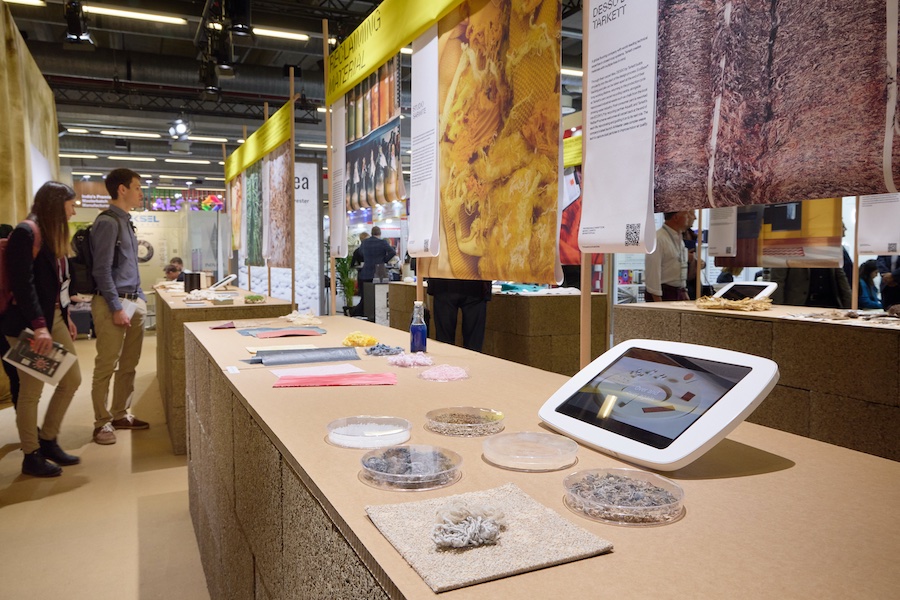
Alternative materials and recycling technologies are one of the most important future segments and drivers of innovation in technical textiles. Sustainability goals and regulatory requirements increase their relevance, while advances in performance and economic viability enhance their market competitiveness. Taking place from 21 to 24 April 2026, Techtextil reflects this key industry trend with a growing number of specialised exhibitors. With the new “Nature Performance” label, the leading global trade fair bundles relevant market offerings and facilitates access to new solutions – from natural fibres and yarns to bio-based materials and circular approaches.

#Techtextil 2026

Groz-Beckert showcases cross-segment innovations for technical textiles in Frankfurt

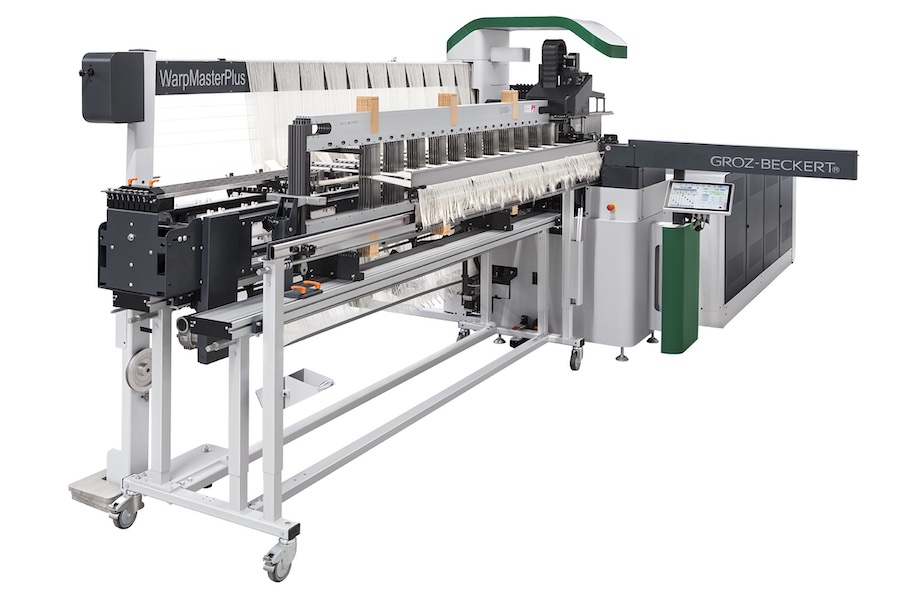
From April 21 to 24, 2026, Groz-Beckert will present its latest innovations and solutions across the product areas of knitting, weaving, nonwovens and sewing at Techtextil 2026 in Frankfurt (Hall 12, Booth B90).

Latest News

#Recycling / Circular Economy

Reju secures €135 Million in Dutch NIKI Funding for industrial-scale textile-to-textile regeneration hub at Chemelot Industrial Park, the Netherlands

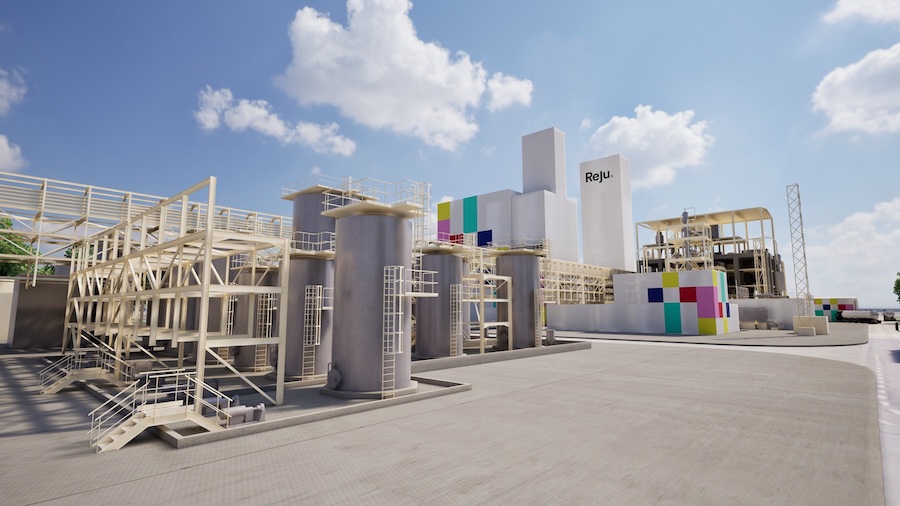
Reju™, the progressive textile-to-textile regeneration company, has been awarded €135 million in funding under the Netherlands’ Nationale Investeringsregeling Klimaatprojecten Industrie (NIKI) program. The funding will support Reju’s planned industrial-scale Regeneration Hub at Chemelot Industrial Park in Sittard-Geleen, covering both the investment phase and ongoing operations, and represents a critical milestone on the path toward final investment decision.

#Techtextil 2026

TTL showcases nonwoven and needlefelt solutions at Techtextil 2026

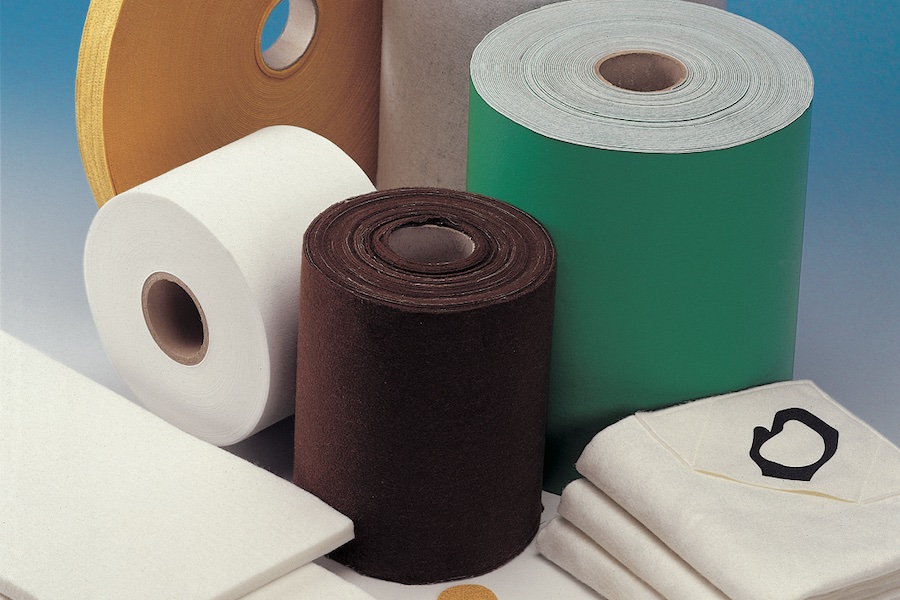
Technische Textilien Lörrach GmbH & Co. KG (TTL), part of the Yanpai Group, will present its latest nonwoven and needlefelt solutions for industrial applications at Techtextil 2026 in Frankfurt.

#Composites

JEC World 2026 confirms its standing as the unmissable event for composites and their applications

JEC World 2026 confirms its position as the leading global event for the composite materials industry and its applications across multiple sectors, bringing together the entire composites ecosystem in Paris for three days of business, innovation, and collaboration. True to its Pushing the Limits motto, the 2026 edition delivered outstanding results despite travel disruptions worldwide. The numbers speak for themselves: more than 1,400 exhibitors from over 50 countries, including over 150 first-timers, presented a global panorama of products, equipment, and services across the entire composites value chain.

#Textile chemistry

Orta and Archroma launch denim collection dyed with wool waste

Archroma, a global leader in specialty chemicals, and Orta Anadolu, the premium Türkiye-based denim manufacturer behind the ORTA brand, today announced a collaboration to bring circular dye chemistry into commercial denim production.

TOP