#Recycling / Circular Economy
Reju secures €135 Million in Dutch NIKI Funding for industrial-scale textile-to-textile regeneration hub at Chemelot Industrial Park, the Netherlands
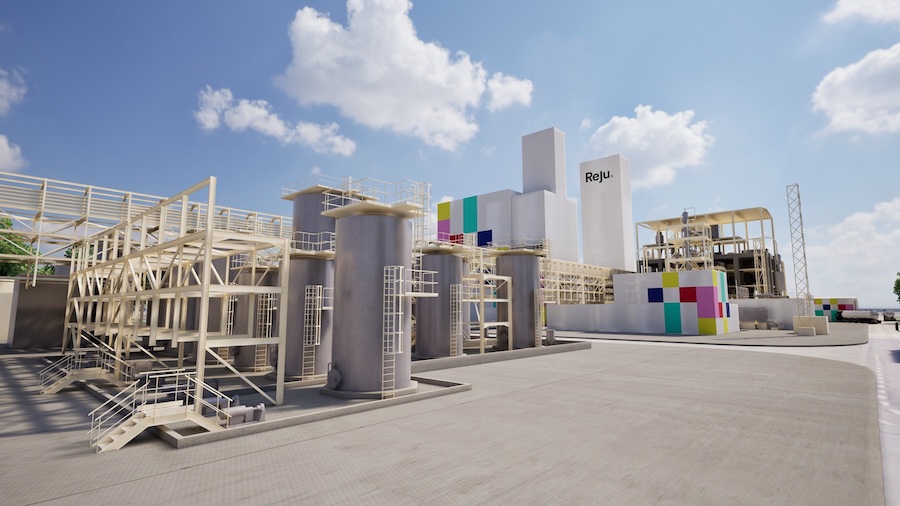
“We are grateful to the Government of the Netherlands and the Ministry of Economic Affairs and Climate for supporting the scale-up of commercial technologies that can deliver measurable emissions reductions and accelerate the transition to a truly circular textile industry.” said Patrik Frisk, CEO of Reju. “This award is a strong vote of confidence in our technology and our team. At Chemelot, we will deliver circular raw materials at scale, reduce emissions across textile value chains, and establish a replicable blueprint for circular textiles in Europe.”
NIKI is the Dutch government’s flagship program to accelerate large-scale industrial decarbonization and circularity, supporting both national and European Union circular economy objectives. Reju’s project is closely aligned with these goals, expanding a textile to-textile process that converts difficult-to-recycle, polyester-containing textiles into high quality circular intermediates for new polyester production. By diverting residual textile fractions from landfill and incineration, Reju, aims to materially reduce the environmental impact of textile waste.
The future Regeneration Hub will process post-consumer textiles that would otherwise enter the waste stream. This regenerated output will be transformed into Reju Polyester, delivering approximately 50% lower carbon emissions compared with virgin polyester. The material will then be reintroduced into downstream supply chains, where it will be converted into yarns and fabrics ready for end-use consumer applications. The project is expected to emphasize industrial integration, energy and resource efficiency, and fully traceable circular supply chains, maximizing the displacement of virgin, fossil based inputs.
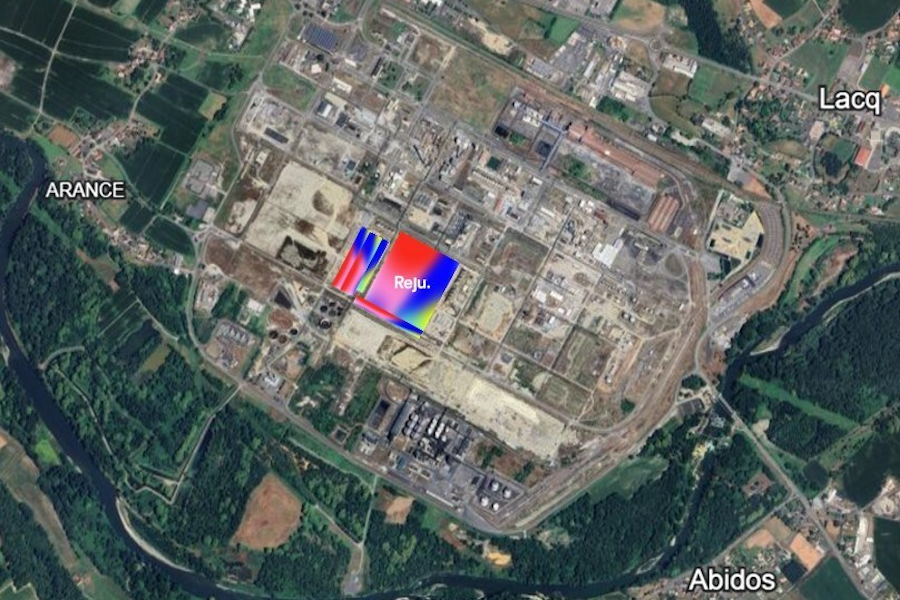
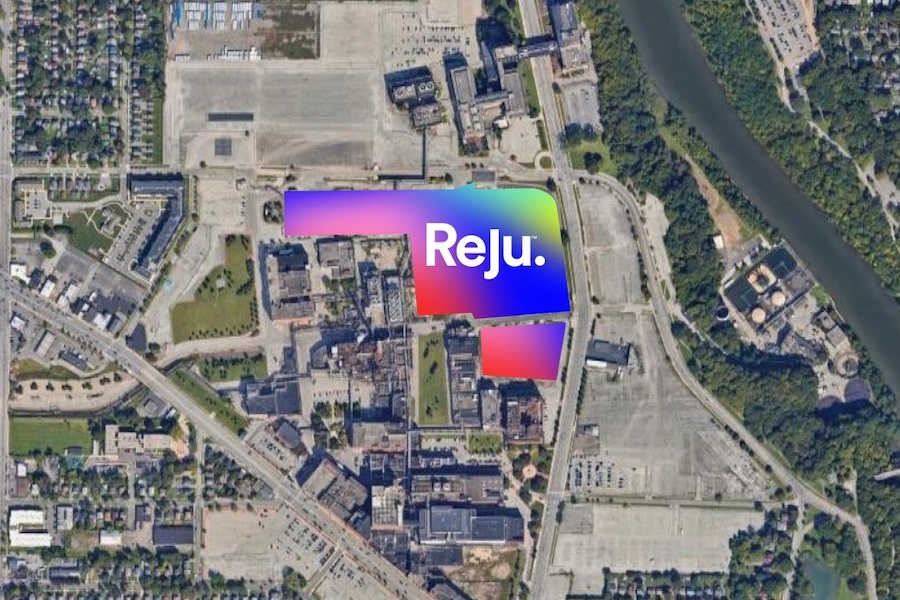
Chemelot Industrial Park was selected for its established industrial ecosystem, shared utilities and logistics infrastructure, and proximity to innovation and research capabilities. These attributes are expected to support efficient ramp-up, operational reliability, and the replication of the model across future sites.