[pageLogInLogOut]

#Spinning

Rieter celebrates 230 years of innovation and technology leadership
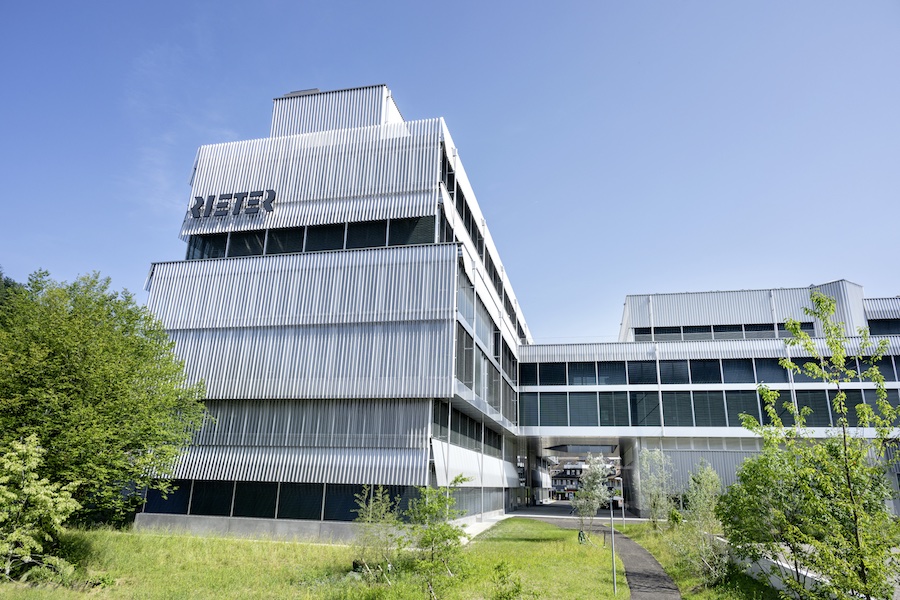
Rieter has stood for pioneering innovation in textile technology for 230 years. Founded in 1795, the company has grown from a trading company to a global technology leader. With a clear focus on automation, digitization and sustainability, Rieter is shaping the future of yarn production and continues to set standards in the industry.
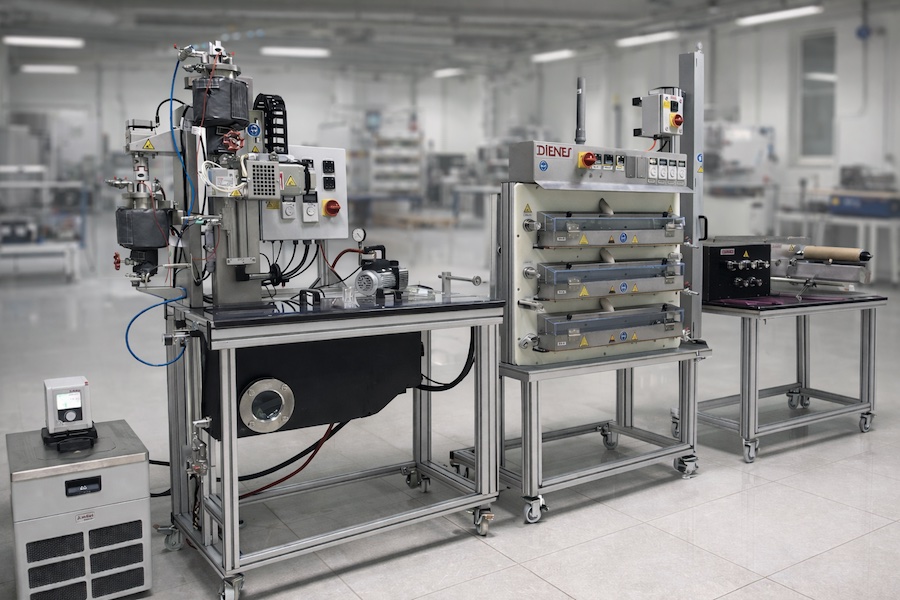
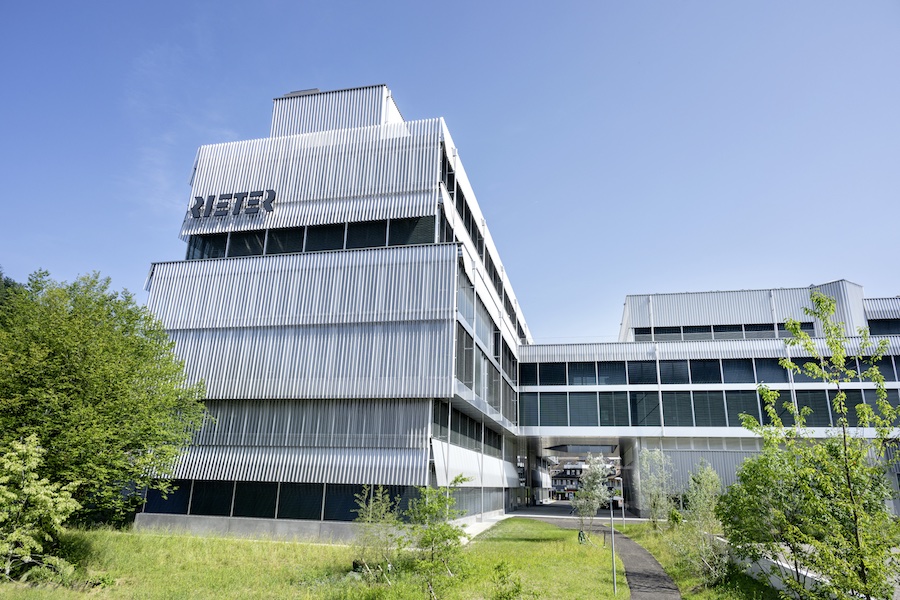
Rieter innovation center © 2025 Rieter


Rieter, the world leader in developing and manufacturing systems for yarn production with staple fibers, is celebrating its 230th anniversary this year – a history characterized by change, innovation and growth.

The Rieter success story began on April 15, 1795, when Johann Jacob Rieter founded the company J.J. Rieter & Cie. in Winterthur, Switzerland. Rieter started as a trading company for exotic spices and cotton, and on April 23, 1795, the first cotton bale had already arrived at the Waaghaus trading house on Marktgasse in Winterthur.

Initially involved in spinning mills and textile manufacturing, Rieter continued to develop over the 19th century and shifted its focus to building industrial machinery. Acquiring the buildings of the former Töss Abbey in Winterthur in 1833 was an important step. In addition to spinning mill machines, the company’s product line also included machines for winding, knitting, and weaving.

In 1891, Rieter converted into a stock company, which was a significant milestone in the company’s history. In the decades that followed, Rieter set new technological standards again and again. For example, the company was the first machine factory in Switzerland with electronic data processing and Rieter set up a modern laboratory for testing materials. It was joined by prototype workshops, a textile laboratory, and a test spinning mill to support further innovation.

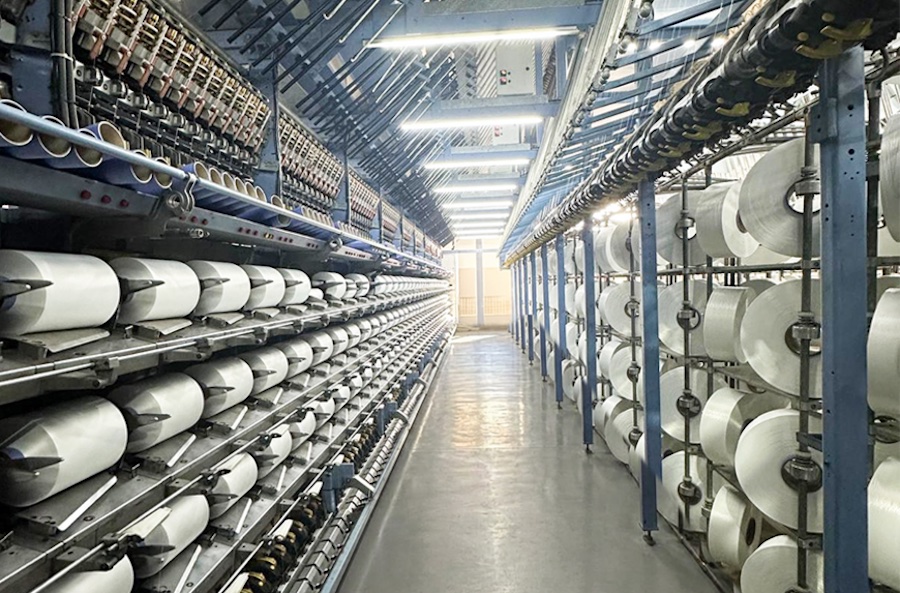
Despite economic challenges, Rieter has always used times of crisis as an opportunity to increase its efficiency and hone its strategic focus. Along with its subsidiaries Accotex, Bräcker, Graf, Novibra, Suessen, SSM, and Temco, today Rieter is distinctive and well-known in the market. The company is a leader in spinning mill technology and contributes to sustainability in the textile value chain with state-of-the-art machines, systems, and components. 
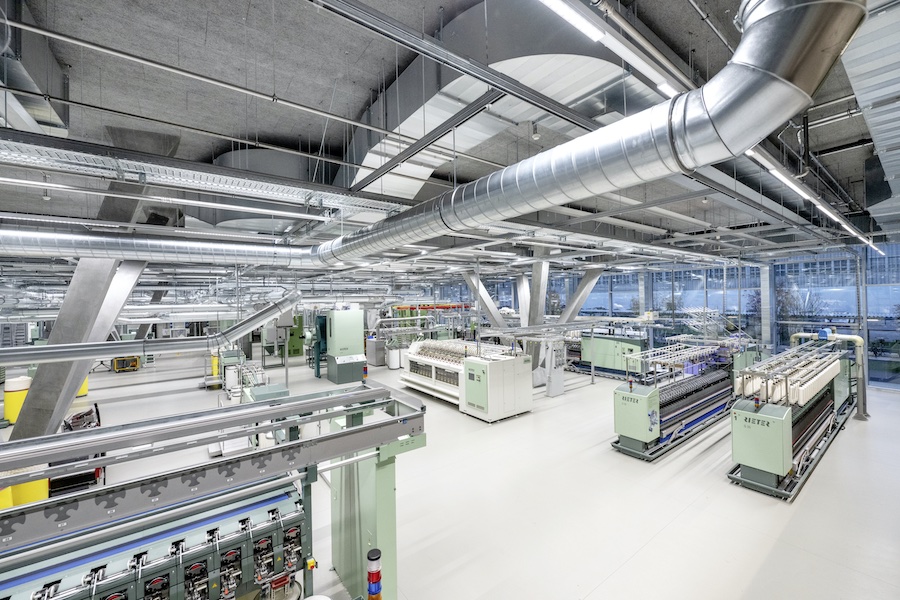
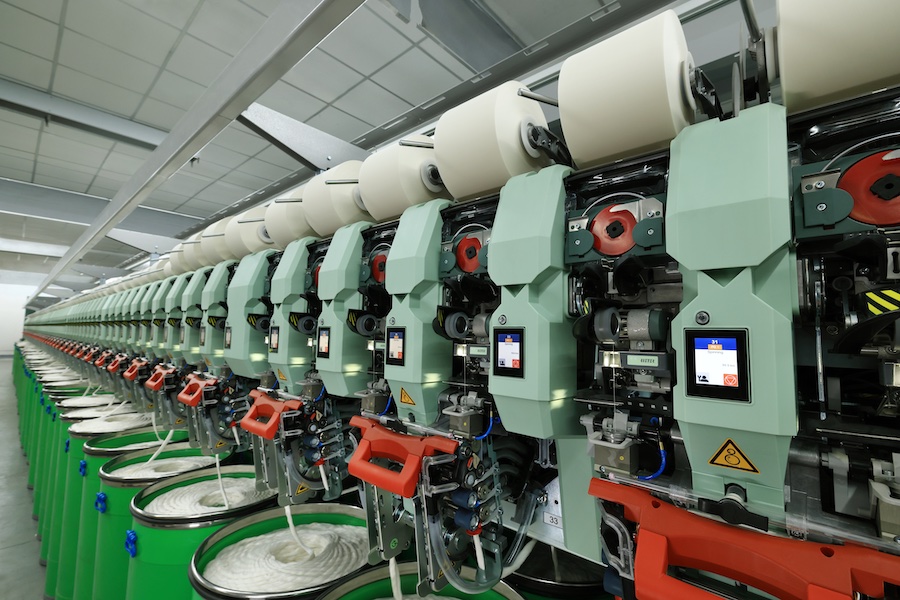
Rieter spin center © 2025 Rieter


Rieter’s success is based not only on technological excellence, but above all on the people who drive the company forward. The approximately 4 800 employees worldwide are the company’s greatest asset. With their expertise, innovative spirit, and passion, they set new standards every day and play an active role in shaping Rieter’s future.

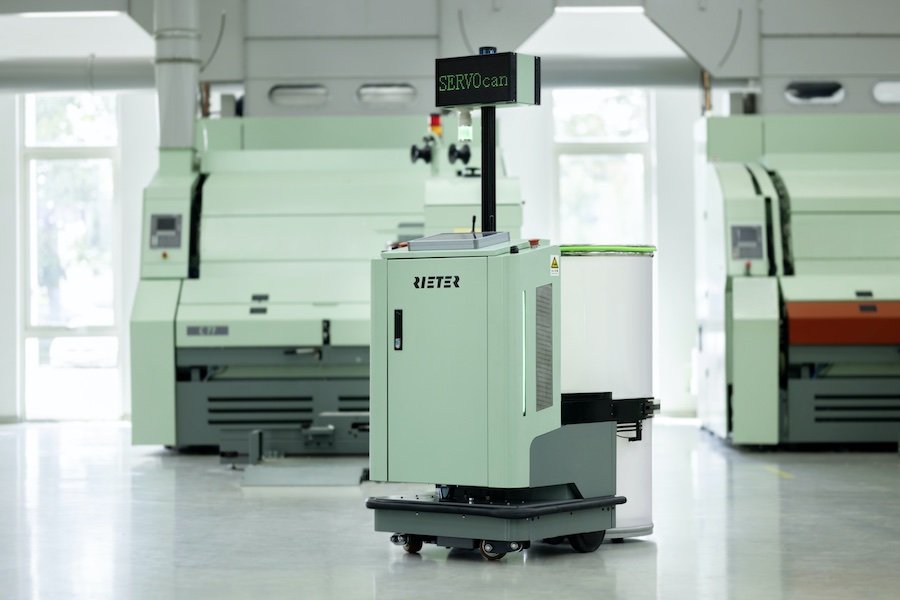
From Rieter’s perspective, the future of spinning mills is automated, digital, and intelligent. Research and development activities are being intensified – in both the areas of autonomous transport systems and collaborative robotics, as well as for ESSENTIAL, Rieter’s digital spinning mill platform. The goal is to fully automate the value creation process of spinning mills by 2027. This will enable spinning mills to reduce their yarn manufacturing costs and maximize their returns. Customers can then concentrate fully on their yarn business and rely on Rieter’s technology and know-how for their operations. 

With 230 years of experience, strong innovative power, sustainable solutions and a global sales and service organization, Rieter is perfectly positioned as the market leader and looks to the future with confidence.
More News from Rieter Textile Systems

#Spinning

Rieter responds to higher raw material prices

Global political and economic developments have been leading to rising raw material and energy costs for some time. The textile machinery industry is also affected by this trend. Rieter machines and components consist to a large extent of steel, copper, aluminum and electronics. These materials in particular have seen higher demand and higher prices in recent months.

#Spinning

Rieter completes acquisition of Barmag

Rieter has successfully completed the acquisition of Barmag as of February 2, 2026. This strategically important acquisition makes Rieter the world’s leading system provider for natural and synthetic fibers.

#Spinning

Rieter adjusts group structure in preparation for Barmag integration

The planned acquisition of the “Barmag” Division of OC Oerlikon will create the leading system provider worldwide for natural and man-made fibers. Rieter is confident it will receive all regulatory approvals to complete the acquisition in the fourth quarter of 2025. The Rieter Group is therefore adjusting its Group structure as of January 1, 2026, to take this acquisition into account and to be able to provide an even more agile response to market challenges.

#Spinning

Rieter reports stable order backlog and strategic progress – outlook for 2025 adjusted

In its Investor Update 2025, Rieter announced an order intake of CHF 203.9 million in the third quarter and CHF 559.3 million after nine months, reflecting a continued cautious investment climate in the textile machinery sector. Sales totaled CHF 121.5 million in the third quarter and CHF 457.7 million for the first nine months of the year, while the order backlog stood at around CHF 590 million as of September 30, 2025.

More News on Spinning

#ITM 2026

The hub of smart and sustainable transformation in yarn technologies: ITM 2026

With global fiber production projected to reach 169 million tons by 2030, yarn manufacturing is becoming one of the most strategic fields within the textile machinery industry. Located in Halls 6, 7, and 10, the Yarn Hall at ITM 2026 is set to bring together industry professionals with innovative solutions developed around automation, energy efficiency, digitalization, and circular production.

#Spinning

Barmag: DTY efficiency for the future of fancy yarns

Fancy yarns continue to gain importance in the textile market: Whether in fashion, home textiles or the automotive industry - the trend towards individuality is fueling the demand for textured, haptically differentiated and at the same time comfortable yarns.”

#Spinning

Perfect quality through collaboration: Machinery from Trützschler, Toyota and Murata at Zirve Tekstil

In today’s textile industry, excellence is not achieved by chance – it’s the result of deliberate decisions, technical expertise, and the courage to go beyond conventional paths. The Turkish company Zirve Tekstil has done just that: by combining the best technologies from Trützschler, Toyota and Murata, they’ve created a production setup that delivers outstanding yarn quality – recognized worldwide.

#Spinning

Monitor, adjust, perfect

FiberGuard BCF is the name of the new system for real-time monitoring of yarn tension in all Neumag BCF production processes. Barmag, the innovation and technology leader for filament spinning systems, presented this innovation of its Neumag product line at ITMA Asia + CITME in Singapore last November. The new BCF yarn tension sensor is compatible with all current Neumag BCF machines and can be easily retrofitted to existing Neumag BCF S8 machines.

Latest News

#Recycling / Circular Economy

Circulose restarts commercial-scale production at Ortviken plant in Sundsvall

Circulose today announced the restart of its commercial-scale production plant at Ortviken in Sundsvall, Sweden, marking a significant step in scaling next-generation materials for the global fashion industry. The company plans to resume production of CIRCULOSE®, a recycled pulp made entirely from discarded cotton textiles, in the fourth quarter of 2026.

#Textiles & Apparel / Garment

VIATT 2026 to debut German Pavilion, strengthening European participation alongside key Asian textile hubs

Vietnam’s textile and garment sector continues to be a major contributor to the country’s economic growth, with export revenues expected to reach USD 46 billion in 2025, a 5.6% increase from 2024 . From 26 – 28 February, the Vietnam International Trade Fair for Apparel, Textiles and Textile Technologies (VIATT) is set to contribute to economic growth opportunities by accelerating digital transformation and green transition across the entire textile value chain. The upcoming edition will respond to the rising demand for advanced technologies and sustainable materials with the introduction of the German Pavilion, alongside strong exhibitor participation from key Asian sectors, as well as several high-profile fringe events.

#Sustainability

Ying McGuire becomes new CEO of Cascale

Cascale today announced the appointment of Ying McGuire as Chief Executive Officer, effective June 1, 2026.

#Technical Textiles

Sustainable, lightweight, and sound absorbing: Polyester-based front trunk solution for BEVs

As car manufacturers look to further reduce their carbon footprint, Autoneum has developed an innovative front trunk solution for battery electric vehicles (BEVs), made entirely from polyester-based textile. The Ultra-Silent Frunk offers significant weight reduction, improved acoustic and thermal insulation, and uses up to 70 percent recycled material, supporting sustainable and efficient vehicle design. Autoneum, global technology leader in acoustic and thermal management for vehicles, has already received orders for the new frunk from three major OEMs in Asia and Europe to be built in three BEV models. Series production for two BEVs has been underway in China and Germany since last year.

TOP