[pageLogInLogOut]

#Retail & Brands

HUGO BOSS invests in strategic partnership with sustainable venture capital fund collateral good

HUGO BOSS further strengthens its commitment to a more sustainable future by becoming the first company to invest in Collateral Good Ventures Fashion I, a climate-first venture capital fund designed to accelerate sustainability in the fashion industry.

The Fund will use this contribution over a period of five years to subsidize several portfolio companies that are in the startup, early growth and potential stages and are developing innovative solutions and technologies in the sustainability field. This includes various areas along the entire value and supply chain, such as upcycling of raw materials, preventing microfibre releases as well as repair and care solutions. 

“Our CLAIM 5 strategy defines our growth trajectory, but at the same time, it is guided by our commitment to be sustainable throughout”, says Daniel Grieder, Chief Executive Officer of HUGO BOSS. ”The partnership with Collateral Good perfectly complements our sustainability strategy “For a bold and better future”, which strives for a planet free of waste and pollution. Through this new form of investment, we will look for new solutions to target areas such as increasing circularity, using only nature-positive materials, eliminating microplastic pollution, and achieving zero emissions.”


The Luxembourg-based venture capital fund is classified as a “Dark Green Fund” under the EU Sustainable Finance Disclosure Regulation (SFDR Art. 9), and thus pursues a clear sustainable investment objective. With a total target volume of EUR 100 million, of which approximately 10% will see investments by HUGO BOSS, it has already attracted interest from notable family offices, asset managers and institutional investors.

The fund will operate under the name “Collateral Good Ventures Fashion I SCSp RAIF”.

More News from TEXDATA International

#Techtextil 2026

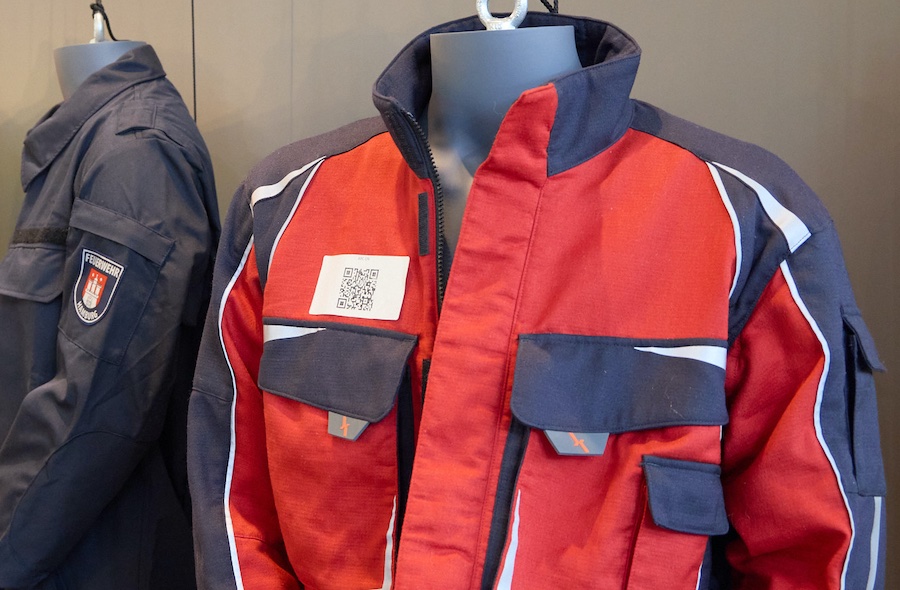
Performance Apparels: Functional textiles drive innovation at Techtextil 2026

From high-performance fibres and advanced membranes to smart textiles and sustainable material concepts – functional apparel is becoming one of the most dynamic innovation fields in technical textiles. At Techtextil 2026, exhibitors demonstrate how new materials, finishing technologies and digital functions are shaping the next generation of protective, workwear and outdoor systems.

#Texprocess 2026

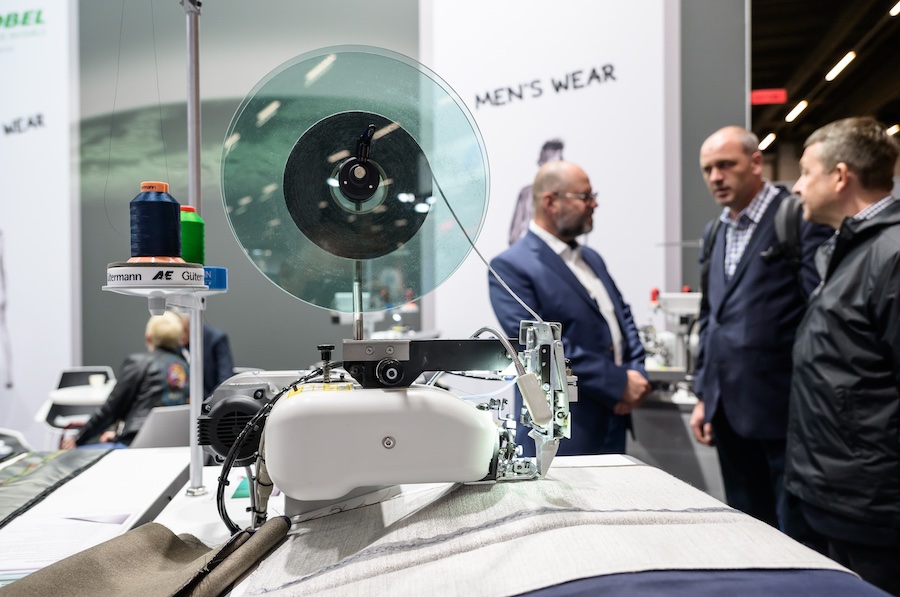
Texprocess 2026: Automation, digitalisation and AI reshape textile processing

Investment decisions in textile processing have become increasingly complex. Rising energy prices, labour shortages and geopolitical uncertainties are forcing companies to prioritise technologies that deliver measurable improvements in efficiency and process stability. This applies not only to apparel production, but also to the processing of technical textiles and high-performance materials. Modernisation projects are therefore being evaluated more selectively – but the pressure to upgrade production systems continues to grow. Texprocess 2026 reflects this tension between cautious investment behaviour and increasing technological demand.

#Techtextil 2026

Textile Chemicals & Dyes: Innovation in Textile Chemistry moves into focus at Techtextil 2026

From PFAS-free finishes and water-saving dyeing technologies to advanced coatings and recycling-compatible formulations, innovation in textile chemistry is accelerating across the industry. Reflecting this development, Techtextil 2026 introduces Textile Chemicals & Dyes as a dedicated product segment, highlighting the growing role of chemical solutions in shaping the next generation of technical textiles.

#Recycling / Circular Economy

textile.4U publishes special edition “Top 100 Textile Recycling Companies 2025”

With a comprehensive 176-page special edition, textile.4U is dedicating its latest issue entirely to one of the most dynamic and influential topics in today’s textile industry: textile recycling. The new issue, published exclusively in high-quality print, presents the Top 100 textile recycling companies researched and selected by TexData – organizations that already play a key role in the transition to circular textiles or are expected to have a significant impact in the near future.

More News on Retail & Brands

#Recycling / Circular Economy

Recover™ secures multi-year recycled cotton agreement with H&M

Recover™ has signed a multi-year agreement with H&M to support the integration of its recycled cotton fiber, RCotton, for use in H&M’s products. Since early 2024, H&M and Recover™ have collaborated on product development, which now enables scaled commercial introduction of Recover™ mechanically recycled cotton into H&M’s collections.

#Sustainability

GORE-TEX® KIDSWEAR launches innovative membership scheme for kids’ jackets

With its revolutionary new membership model, GORE-TEX® Kidswear now offers families a simple, flexible and sustainable way of kitting out their children in top-quality jackets. It is aimed at the parents of children aged between five and ten and kicks off with a choice of functional winter jackets.

#Sustainability

H&M Foundation funds pioneering initiative to build the factories of the future

The H&M Foundation is committing SEK 53 million (approx. EUR 5 million) towards Future Forward Factories, a five-year initiative led by Fashion for Good, to address fashion’s most polluting stage: tier 2 textile processing.

#Natural Fibers

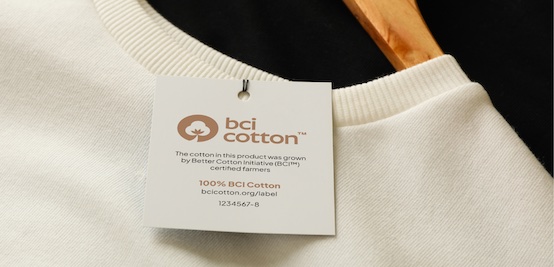
Better Cotton Initiative marks World Cotton Day with launch of innovative product label

The Better Cotton Initiative (BCI) has launched an innovative product label for the fashion and textile sectors which allows retailer and brand members to provide consumers with greater clarity about the origin and percentage of BCI Cotton in their products.

Latest News

#Raw Materials

New study shows low environmental impact by Cotton made in Africa Organic Cotton from Tanzania

Today, the Aid by Trade Foundation (AbTF) is announcing the results of a comprehensive life-cycle analysis (LCA) for cotton produced in Tanzania under the Cotton made in Africa Organic (CmiA Organic) standard. The study emphasises the small ecological footprint of CmiA Organic verified cotton. This can largely be traced back to the absence of synthetic pesticides, artificial fertilisers, and artificial irrigation. Consequently, CmiA Organic cotton can help the textile industry meet regulatory requirements as well as science-based targets. The results also show that the consequences of climate change threaten the livelihoods of these cotton farmers, even though the type of agriculture they practise barely contributes to climate change.

#Raw Materials

Better Cotton Initiative strengthens regenerative focus in standard update

The Better Cotton Initiative (BCI) has strengthened the regenerative focus of its field-level standard with the launch of a new version of its Principles & Criteria (P&C), which marks the next step in the organisation’s journey to becoming a regenerative standards system.

#Man-Made Fibers

Selenis and Kintra Fibers partner to scale 100% bio-based synthetic fiber technology

Selenis, a leading global specialty polyester manufacturer, today announced a strategic manufacturing partnership with materials science company Kintra Fibers to scale Kintra’s patented fiber-grade PBS resin - a 100% bio-based and biodegradable material designed for textile applications.

#Functional Fabrics

PERFORMANCE DAYS proves its relevance as the industry’s key meeting point

Held on March 18–19, 2026, PERFORMANCE DAYS once again confirmed its position as a leading international platform for functional textiles. A total of 3.366 trade visitors and around 560 exhibitors gathered in Munich, with the event already kicking off successfully on DAY 0, which received highly positive feedback for its interactive format. Despite challenging conditions caused by the public transport strike in Munich, the event saw strong attendance and a consistently high level of activity across both exhibition days.

TOP