#Texprocess 2026
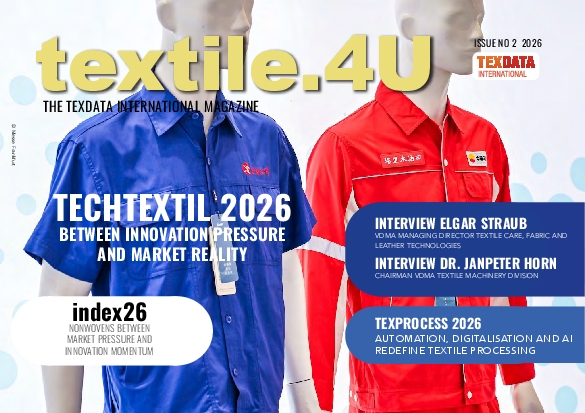
Texprocess 2026: Automation, digitalisation and AI redefine textile processing
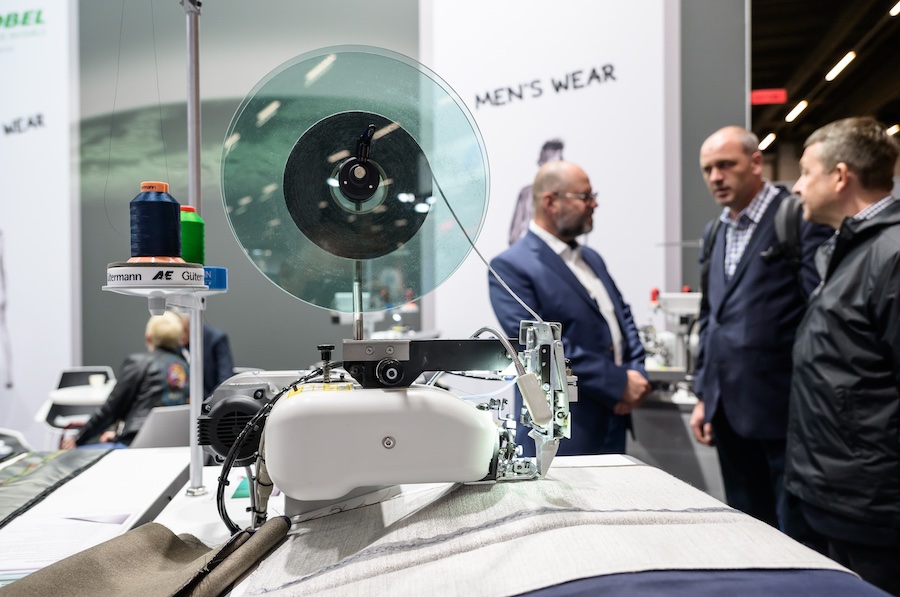
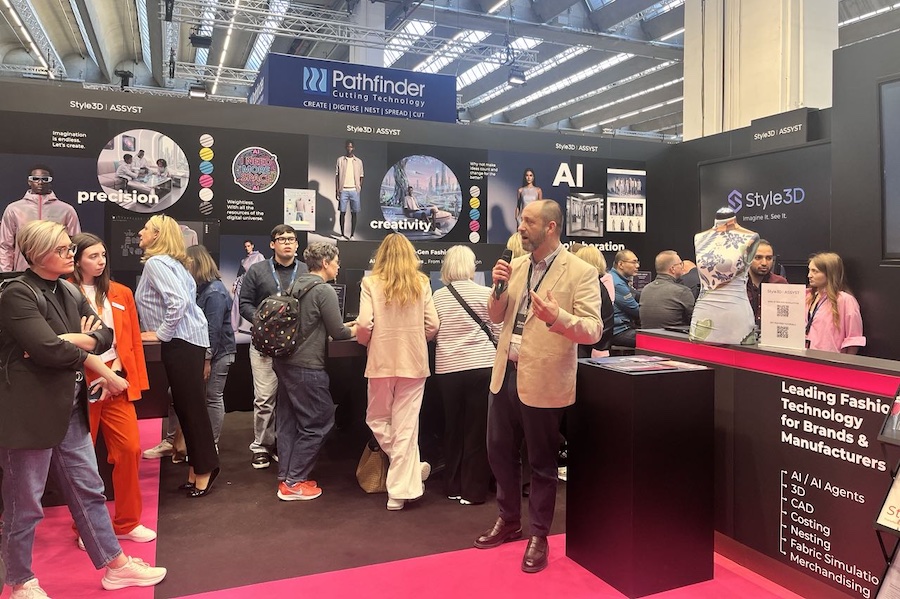
Within this context, Texprocess 2026 offers a structured overview of available technologies for future-oriented investment decisions. Taking place from 21 to 24 April 2026 in Frankfurt, the leading international trade fair for the processing of textile and flexible materials will host around 200 exhibitors from 28 countries. The event reflects current developments across the sector, particularly in the fields of automation, digital integration and artificial intelligence.
Spanning 15 product groups, the exhibition covers the entire processing chain – from CAD/CAM and digital product development through to cutting, sewing, embroidery and finishing. Alongside established industry players, new exhibitors and international start-ups are contributing fresh perspectives. In dedicated areas, companies such as Prodactive Solutions, Qsee.ai and White Pattern present emerging solutions while engaging with partners from industry and research.
Held in parallel, the co-located Techtextil broadens the scope to include materials, nonwovens and application-oriented developments. Together, both exhibitions represent the full textile value chain and bring more than 1,700 exhibitors to the Frankfurt exhibition grounds. An optimised hall layout, including a closer alignment of apparel-related segments, further strengthens the connection between material innovation and processing technologies.
Texprocess thus mirrors a market situation defined by both restraint and necessity: while companies are becoming more selective in their investments, the demand for efficient, interconnected and scalable production technologies continues to rise.
Investment strategies between caution and transformation
Beyond technological developments, Texprocess also reflects a shift in how companies approach investment decisions. Rather than large-scale modernisation projects, many manufacturers are increasingly prioritising targeted upgrades that deliver measurable improvements within existing production environments.
This includes modular automation solutions, scalable software platforms and technologies that can be integrated step by step without disrupting ongoing operations. Flexibility and interoperability are becoming key criteria, particularly in view of uncertain market conditions and fluctuating demand.
At the same time, delaying investment is becoming increasingly difficult. Rising labour costs, energy prices and quality requirements are placing pressure on manufacturers to improve productivity and resource efficiency. As a result, companies are navigating a narrow corridor between cautious spending and the need to remain competitive.
Texprocess provides a framework for these decisions by enabling direct comparison of technologies and offering insights into practical implementation strategies across different segments of the industry.
Automation stabilising production processes
Automation continues to be one of the most prominent drivers of change in textile processing.
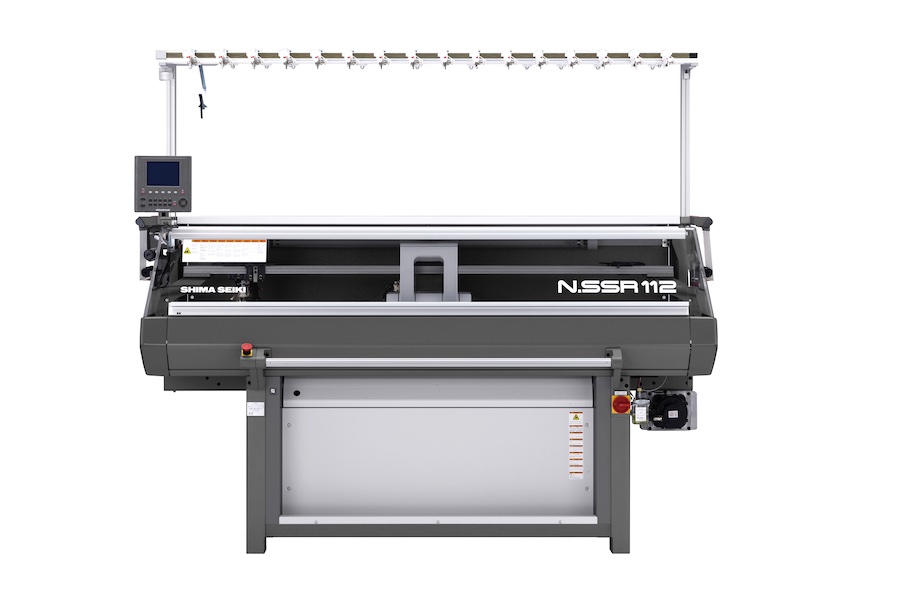
Technologies designed to automate material handling, cutting or sewing operations aim to minimise manual intervention while improving consistency and output. Companies such as bullmer demonstrate how cutting room solutions are evolving into integrated systems that combine spreading, cutting and sorting within a single workflow, capable of handling a wide variety of textiles and technical materials. Automation is also making significant progress in material handling – traditionally one of the most labour-intensive areas. Robotextile, for example, develops systems that automatically separate and position individual fabric layers for subsequent steps such as sewing, printing or laminating.
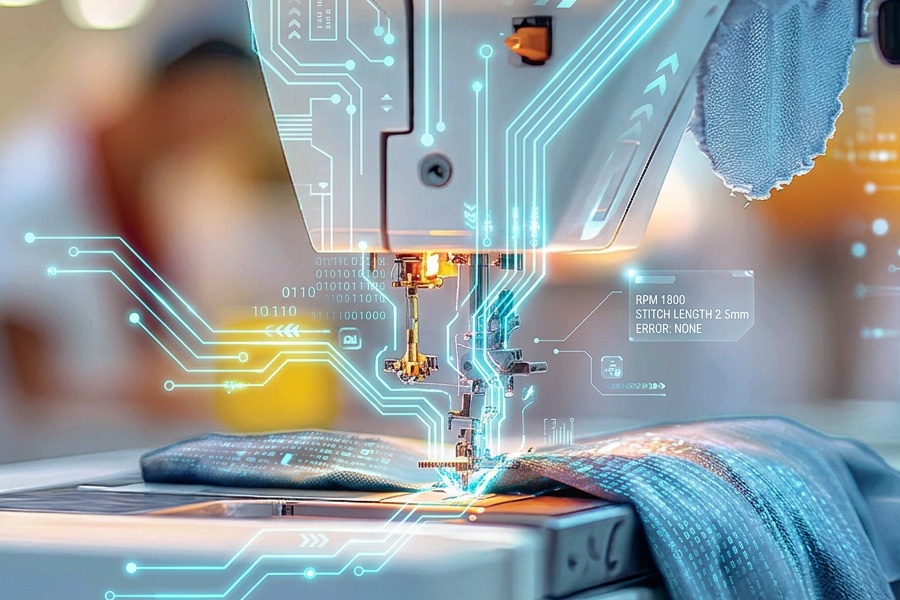
The sewing stage is likewise becoming increasingly automated. Dürkopp Adler focuses on CNC-controlled and automated sewing technologies for diverse applications, while specialised providers such as RSG Automation Technics develop tailored solutions for narrow fabrics like belts and tapes, combining machinery with integrated monitoring systems.
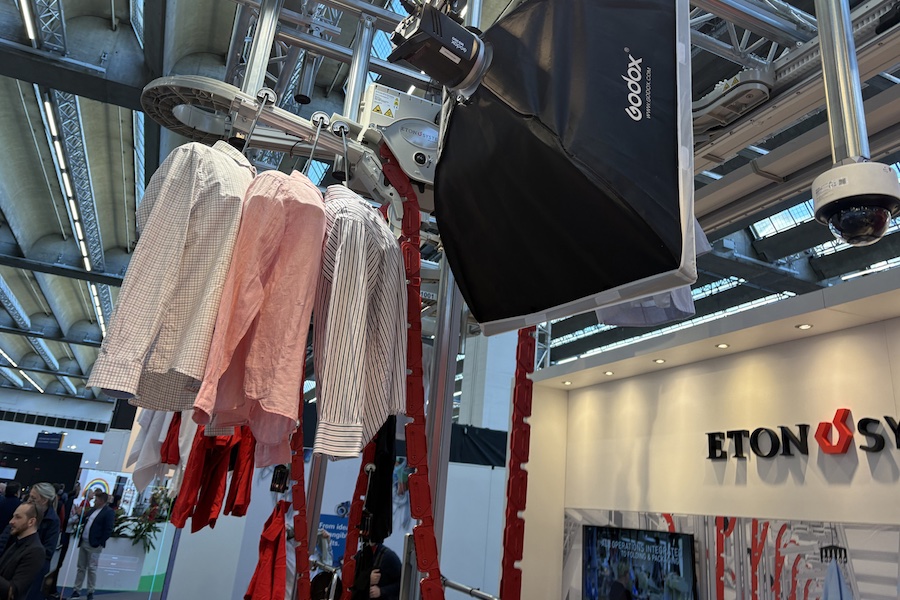
Efficient transport between production stages represents another key component of automated manufacturing. Eton Systems offers unit production systems in which individually controlled carriers move materials through the production process, reducing manual handling and increasing machine utilisation.
The full article can be read in the latest issue of textile.4U, available for free download here: