[pageLogInLogOut]

#Sustainability

Carrington Textiles highlights group progress in second sustainability report
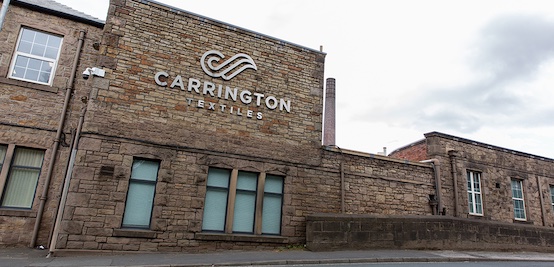
Global workwear textile manufacturer Carrington Textiles, part of RTS Textiles Group, has published its second annual sustainability report, marking one year since the Group launched its first edition in July 2024. The publication showcases progress in environmental performance and sustainable innovation across the Group.
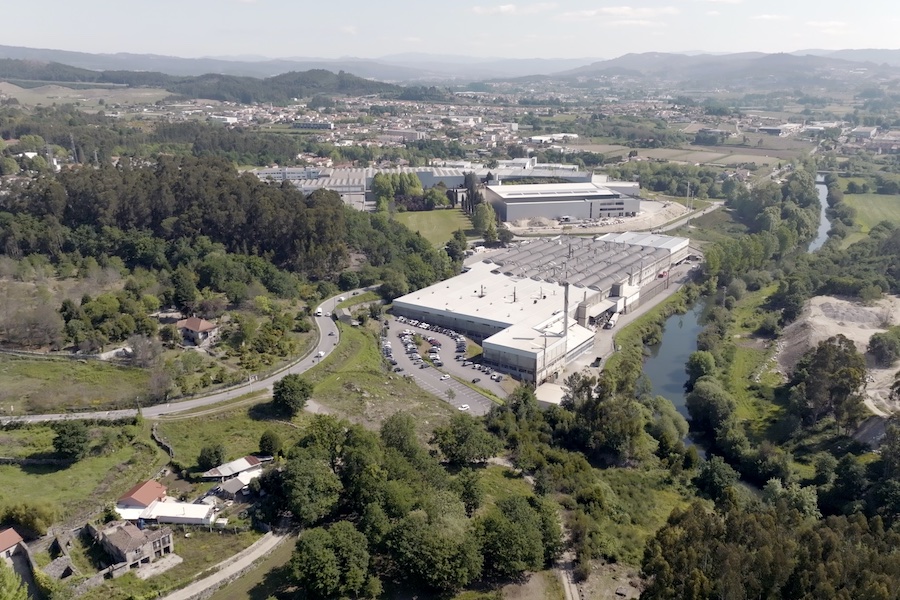
MGC Portugal © 2025 Carrington Textiles


The report reflected a pivotal year for RTS Textiles Group, formed in early 2025 through the consolidation of RTS Textiles Ltd. with its long-standing joint venture partners TMG in Portugal and STM in Pakistan. This unification brought the businesses under full ownership as a single group, with all parties becoming shareholders and creating a global organisation with over 130 million metres of annual production capacity and operations spanning the UK, mainland Europe and Asia.

Across its facilities, the Group reported measurable environmental achievements. At Carrington Textiles International (CTi) in Pakistan, they invested €3.4 million in a state-of-the-art Effluent Treatment Plant to enhance water treatment capacity. The site also reduced CO2 emissions by more than 20,000 tonnes, reclaimed 95% of caustic soda through its recovery plant and sourced 98% of steam consumption from biomass boilers.

At MGC in Portugal, they achieved a 7% reduction in CO2 emissions per tonne of product. The site also digitised their energy management using Siemens Energy Manager Pro and introduced composting initiatives by repurposing biomass ash.

In the UK, Pincroft generated 68% of its electricity through Combined Heat and Power (CHP) and transitioned 100% of its purchased electricity to renewable sources, supported by REGO certification.

The Group also strengthened its sustainable product offering with the addition of technologies and fibres like Sorona®, alongside its ongoing commitment to Better Cotton, REPREVE® recycled polyester, organic cotton, TENCEL™ and CiCLO®.

John Vareldzis, RTS Textiles CEO, said: “The progress detailed in this report highlights the commitment across all our businesses to drive positive change. From decarbonising operations to pioneering sustainable materials, we continue to challenge ourselves to lead with responsibility and innovation.”

The full sustainability report is available to read at carrington.co.uk


More News from Carrington Textiles

#Technical Textiles

Carrington Textiles and Pincroft unite defence expertise at Enforce Tac

Carrington Textiles and Pincroft return to Enforce Tac for the third time, presenting a co-branded stand that brings together textile manufacturing and specialist finishing under one roof.

#Fabrics

Carrington Textiles launches new Fabric Collection Guides at A+A

Global workwear textiles manufacturer Carrington Textiles marked a successful return to A+A in Düsseldorf with the launch of 13 new fabrics and the official debut of their redesigned Fabric Collection Guides. The stand attracted a high number of visitors across the four days of the exhibition, with excellent feedback on both the new products and the innovative format of the guides.

#Fabrics

Carrington Textiles stretches the standard at A+A

Global workwear textiles manufacturer Carrington Textiles has announced the launch of 12 new fabrics at A+A in Düsseldorf this November. With 75% of the new range featuring stretch technology, eight products incorporating sustainable fibres and four delivering flame retardant protection, the company is reinforcing its drive to raise comfort and performance standards across workwear.

#Fabrics

Carrington Textiles joins TRSA to strengthen presence in US market

Carrington Textiles, a global manufacturer of workwear fabrics, has become a member of the Textile Rental Services Association (TRSA), marking a strategic step to expand its presence in the United States.

More News on Sustainability

#Natural Fibers

Global Standard gGmbH launches second public consultation for GRTS Draft 2 for the textile industry (1–30 April 2026)

Global Standard gGmbH is pleased to announce the release of Draft 2 of the Global Responsible Textile Standard (GRTS) for its second public consultation. The consultation will be open from 1 April 2026 to 30 April 2026, inviting stakeholders across the textile and apparel value chain to provide input and contribute to the further development of this new Standard.

#Sustainability

Practical toolkit to drive coordinated climate action launched

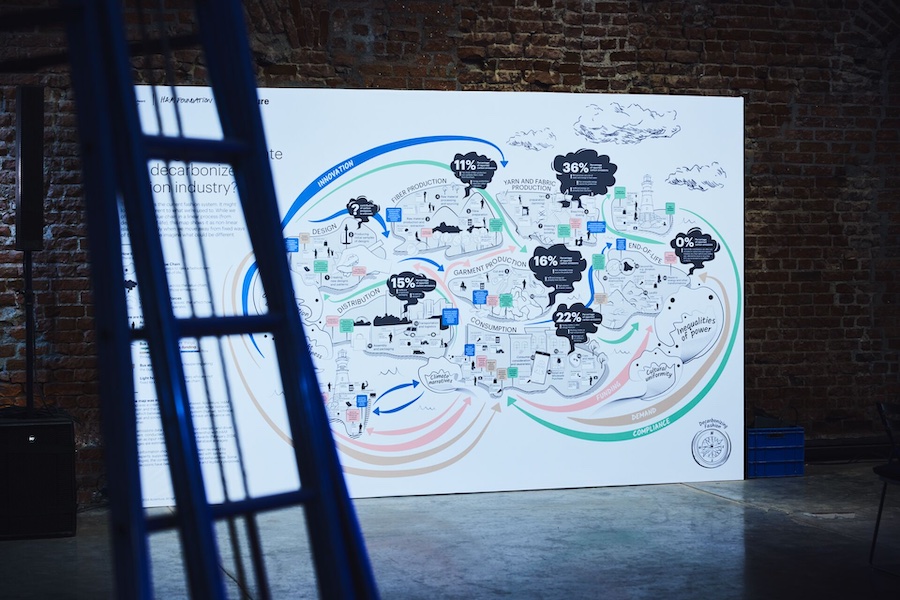
An open-access workshop toolkit enables brands, suppliers, policymakers and investors across the textile industry to apply the System Map in their own work, identifying leverage points to halve emissions and enable a just transition.

#Raw Materials

Textile Exchange publishes cotton Life Cycle Assessment study to strengthen impact data

Textile Exchange has published the first in a series of seven Life Cycle Assessment (LCA) studies designed to improve the quality and robustness of environmental impact data for raw material production across the fashion, textile, and apparel industry. The first LCA study focuses on cotton and addresses critical data gaps and methodology variability through new high-quality data across key producing countries. The study includes organic, regenerative, recycled, and country averages for conventional cotton production systems, providing a clearer picture of the associated environmental impact.

#Sustainability

Experts publish APAC policy priorities

Cascale today announced the publication of its APAC Policy Priorities Paper, developed by the Asia-Pacific (APAC) Policy Member Expert Team (MET) to identify key regional sustainability challenges and provide practical, aligned recommendations for policymakers and industry stakeholders across Asia-Pacific.

Latest News

#Raw Materials

New study shows low environmental impact by Cotton made in Africa Organic Cotton from Tanzania

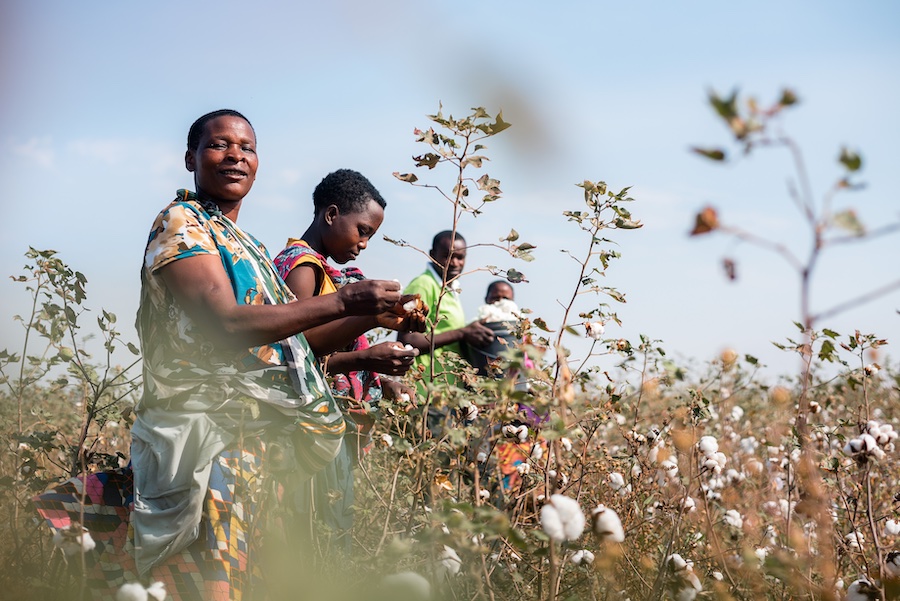
Today, the Aid by Trade Foundation (AbTF) is announcing the results of a comprehensive life-cycle analysis (LCA) for cotton produced in Tanzania under the Cotton made in Africa Organic (CmiA Organic) standard. The study emphasises the small ecological footprint of CmiA Organic verified cotton. This can largely be traced back to the absence of synthetic pesticides, artificial fertilisers, and artificial irrigation. Consequently, CmiA Organic cotton can help the textile industry meet regulatory requirements as well as science-based targets. The results also show that the consequences of climate change threaten the livelihoods of these cotton farmers, even though the type of agriculture they practise barely contributes to climate change.

#Raw Materials

Better Cotton Initiative strengthens regenerative focus in standard update

The Better Cotton Initiative (BCI) has strengthened the regenerative focus of its field-level standard with the launch of a new version of its Principles & Criteria (P&C), which marks the next step in the organisation’s journey to becoming a regenerative standards system.

#Man-Made Fibers

Selenis and Kintra Fibers partner to scale 100% bio-based synthetic fiber technology

Selenis, a leading global specialty polyester manufacturer, today announced a strategic manufacturing partnership with materials science company Kintra Fibers to scale Kintra’s patented fiber-grade PBS resin - a 100% bio-based and biodegradable material designed for textile applications.

#Functional Fabrics

PERFORMANCE DAYS proves its relevance as the industry’s key meeting point

Held on March 18–19, 2026, PERFORMANCE DAYS once again confirmed its position as a leading international platform for functional textiles. A total of 3.366 trade visitors and around 560 exhibitors gathered in Munich, with the event already kicking off successfully on DAY 0, which received highly positive feedback for its interactive format. Despite challenging conditions caused by the public transport strike in Munich, the event saw strong attendance and a consistently high level of activity across both exhibition days.

TOP