[pageLogInLogOut]

#Spinning

From waste to value: State-of-the-art TRUECYCLED installations in India

Demand for recycled yarn is growing. And the number of TRUECYCLED installations in India is growing too! More and more future-facing companies are driving progress toward a more sustainable textiles industry by producing high-quality yarn from waste – through specialized equipment and process know-how from Trützschler.


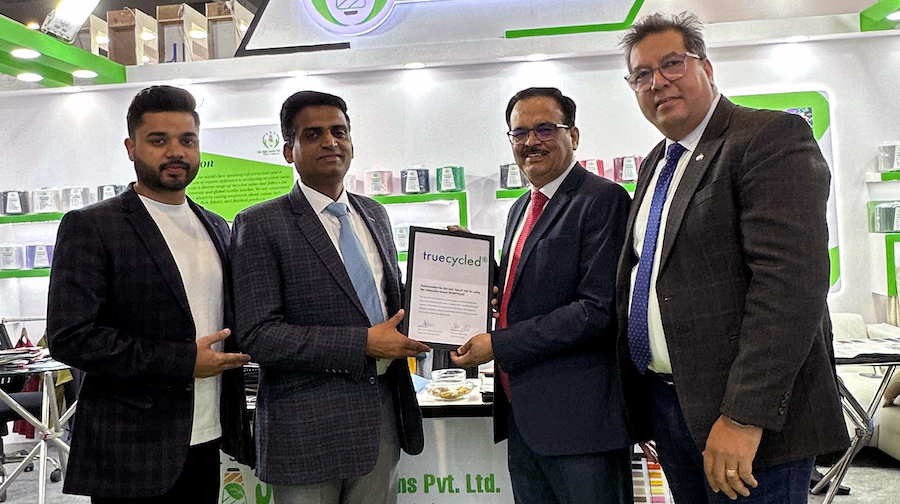
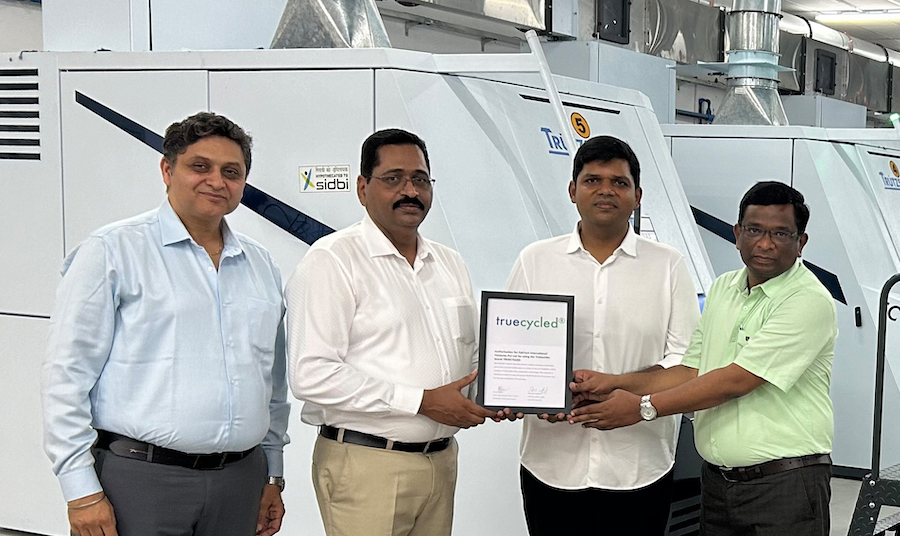
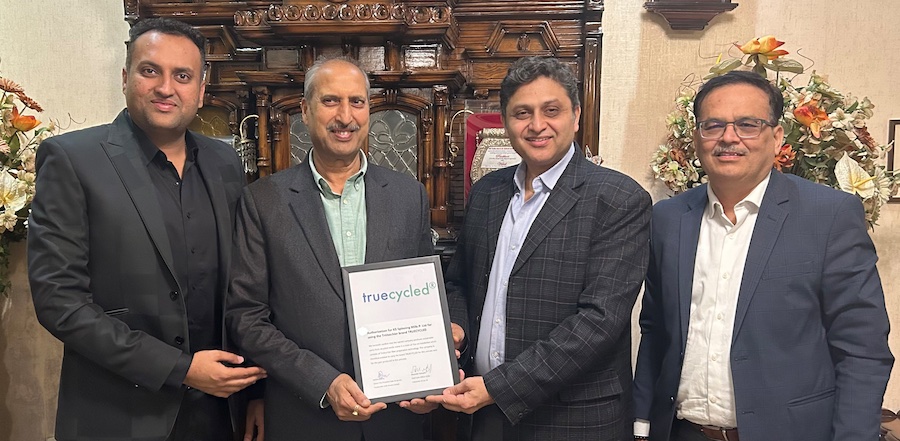
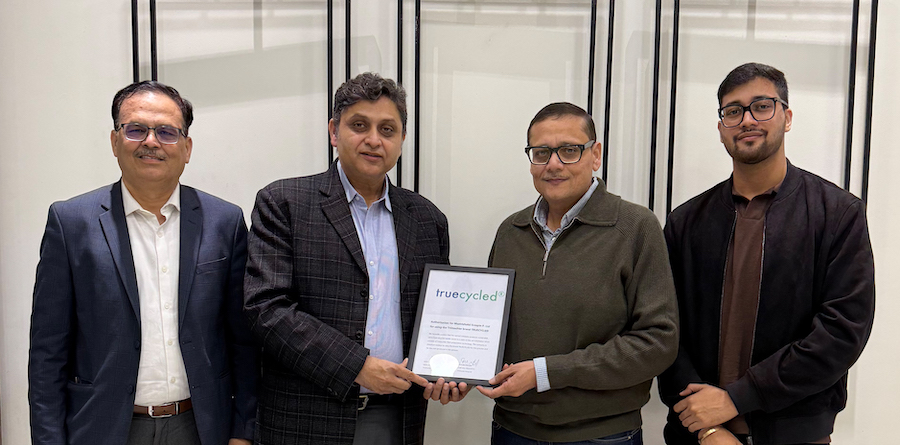
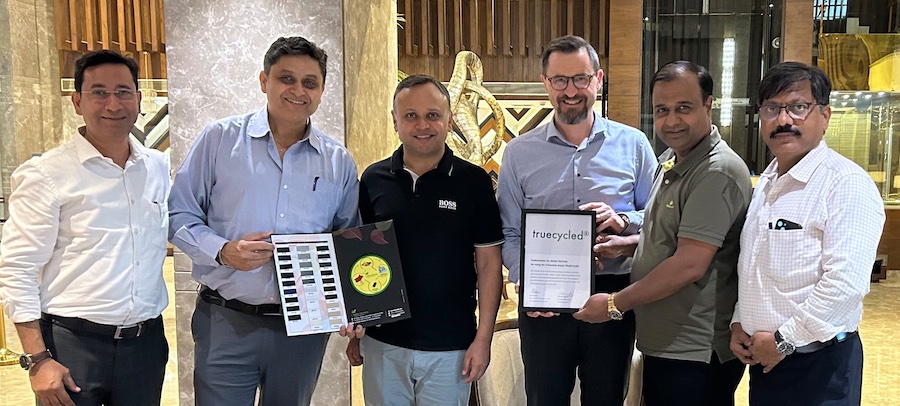
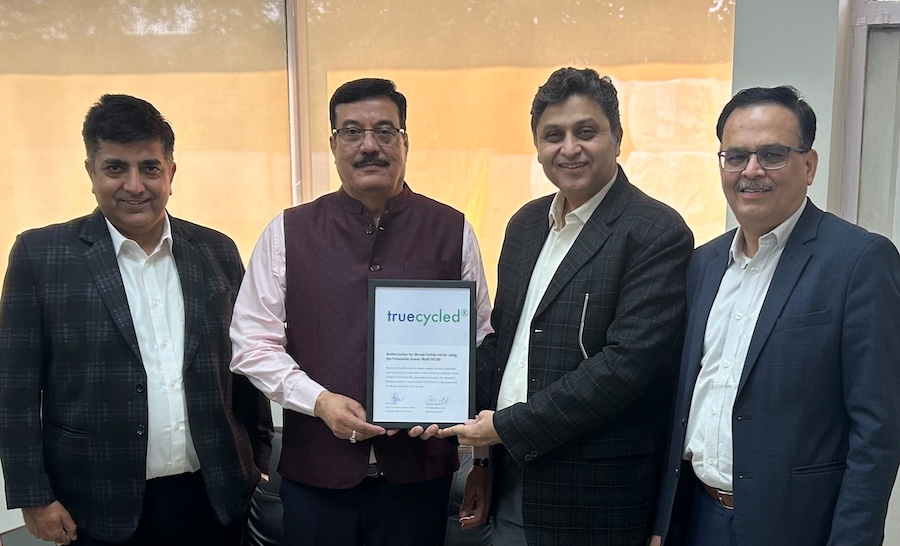
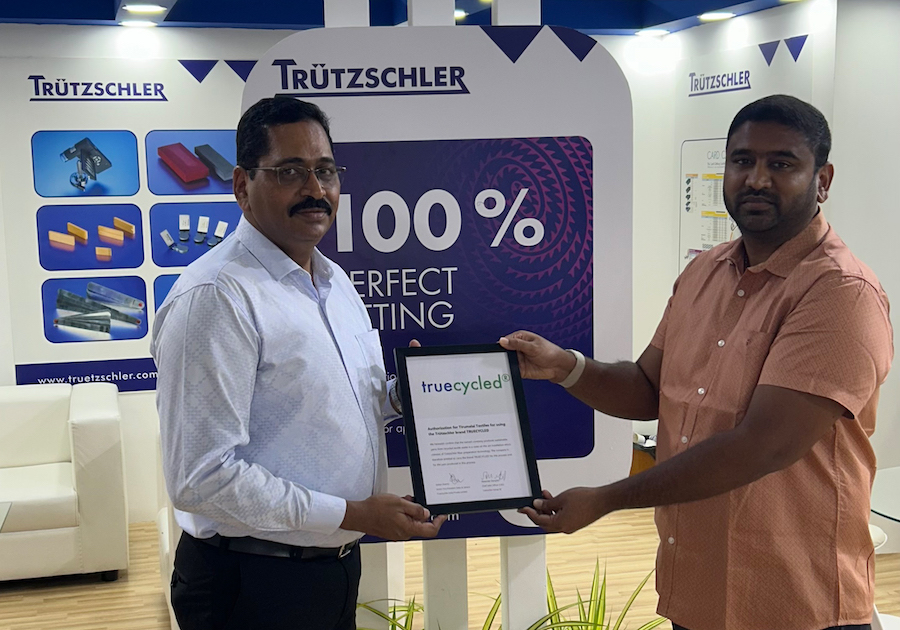
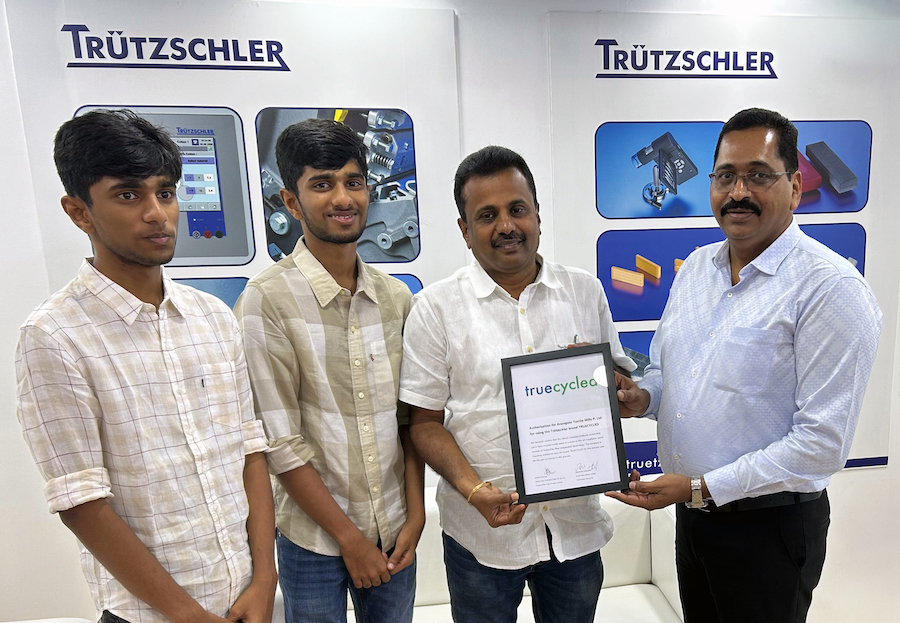
TRUECYCLED is Trützschler’s complete solution for state-of-the-art recycling of pre-consumer and post-consumer textile waste. It encompasses all process steps – from cutting and tearing textile waste through to carding and drawing secondary fibers. Last but not least, Trützschler’s technological expertise enables partner companies to produce recycled yarns with the best possible quality from hard textile waste. In India, USHA YARN was awarded as the first TRUECYCLED reference customer in 2023. Now we celebrated ten more reference customers. This big milestone demonstrates that TRUECYCLED is gaining traction in India, where demand for recycled yarn is growing rapidly.

A community of committed companies

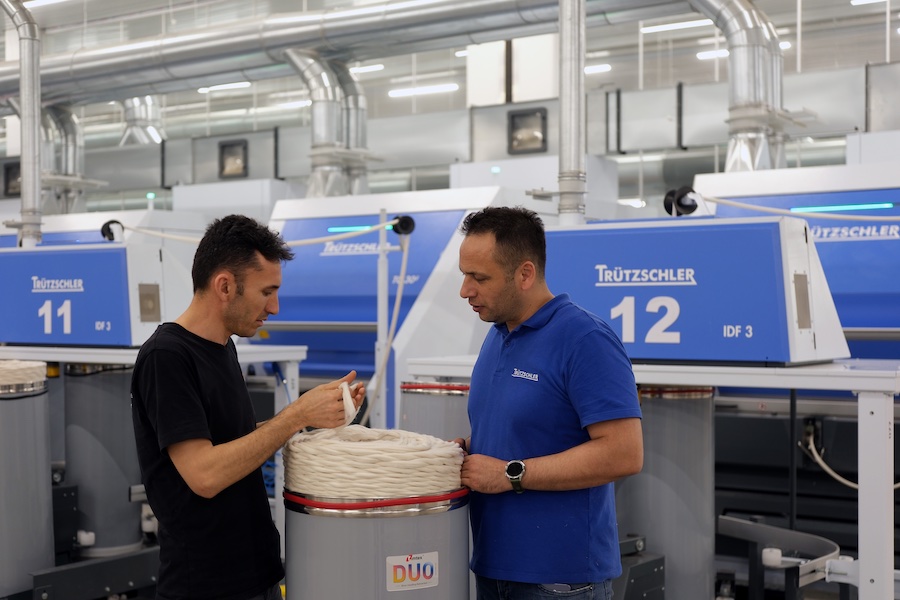
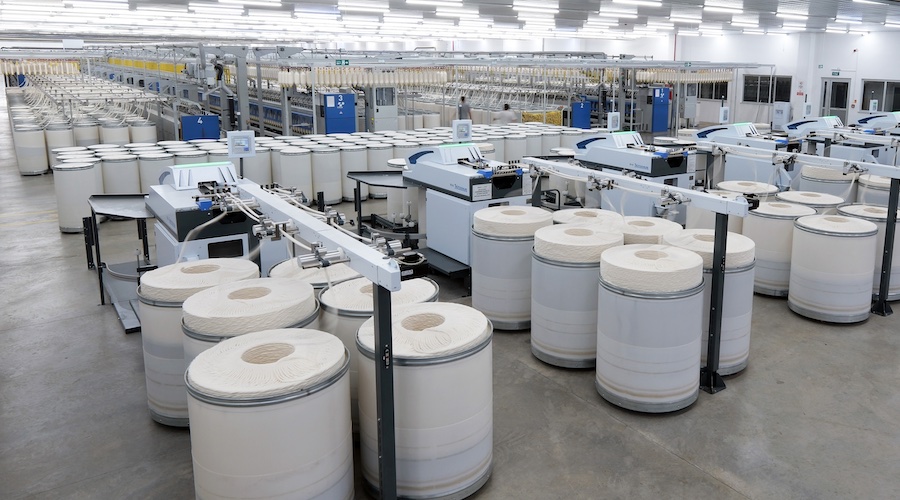
Our TRUECYCLED pioneers in India are taking action to promote more sustainable, circular value chains in the textile industry. Their yarns contain a substantial amount of textile hard waste, manufactured in a line of Trützschler machinery configured specifically for recycling. For example, all use the T-BLEND blow room line and Trützschler carding machines. This setup is the prerequisite for their market success. Aravind Prabhu, Joint Managing Director of Sri Velayudhaswami Spinning Mills, says: “By using Trützschler’s innovative T-Blend system for recycling, we are able to meet high expectations for export quality.”

Anangoor Textile Mills (based in Kangayam): Produces 30 tons of blended open-end yarn (Ne 20 to Ne 40) per day, using more than 50 percent raw materials from pre-consumer waste © 2025 Trützschler


Eco spin yarn (based in Derabassi): Specialized in 100 percent cotton and poly-cotton blended yarn. This company produces 18 tons of recycled yarn (Ne 10 to Ne 40) per day. It mainly uses 100 percent pre-consumer waste for cotton and up to 20 percent rPET fibers for poly-cotton blends © 2025 Trützschler


Fabtech International Hosieries (based in Tirupur): Manufactures 8 tons of blended open-end yarn (Ne 20 to Ne 40) per day, using more than 50 percent raw materials from pre-consumer waste © 2025 Trützschler


KS Spinning Mills (based in Panipat): Specializing in cotton and poly-cotton blended yarns with a capacity of 36 tons per day, this company produces a wide range of recycled open-end yarns from Ne 1 to Ne 40. For cotton yarn, the company uses 100 percent raw materials from pre-consumer waste. Poly-cotton blended yarns are produced with a blend of up to 20 percent recycled polyester and up to 80 percent pre-consumer waste © 2025 Trützschler


Maatrishakti Cotspin (based in Panipat): An open-end yarn expert, manufacturing 18 tons of cotton and poly-cotton blends per day (Ne 10 to Ne 40), using 70 to 80 percent raw materials from pre-consumer waste © 2025 Trützschler


Oasis Textiles (based in Derabassi): Each day, this producer makes 36 tons of recycled yarn – using more than 70 percent raw material from pre-consumer waste (Ne 10 to Ne 40) © 2025 Trützschler


Shreeji Cotfab (based in Neemarana): Produces 18 tons per day of open-end yarn made from cotton and poly-cotton blends (Ne 10 to Ne 30), primarily using more than 70 percent of recycled materials © 2025 Trützschler


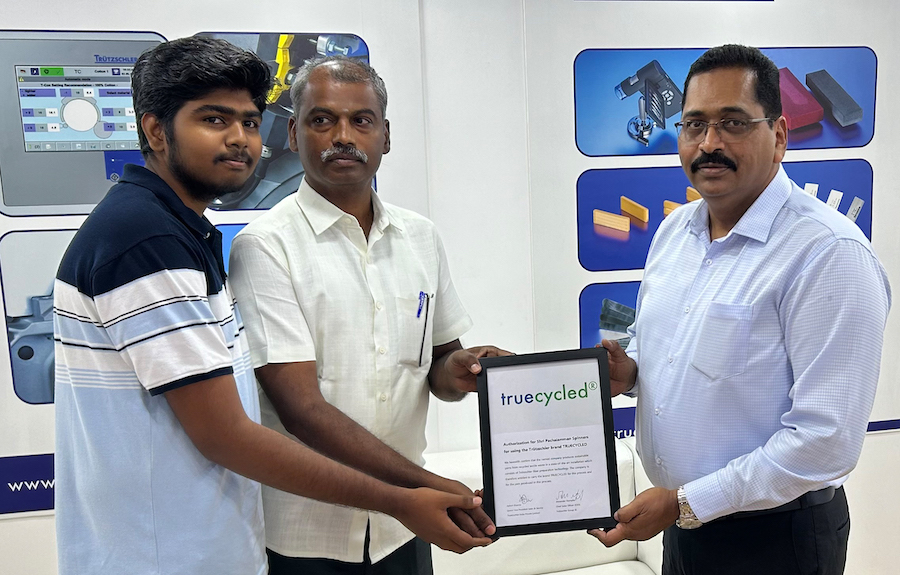
Shri Pachaiamman Spinners (based in Coimbatore): Turns more than 50 percent pre-consumer waste into hosiery yarn (Ne 10 to 30), producing 13 tons per day and using 100 percent recycled materials © 2025 Trützschler


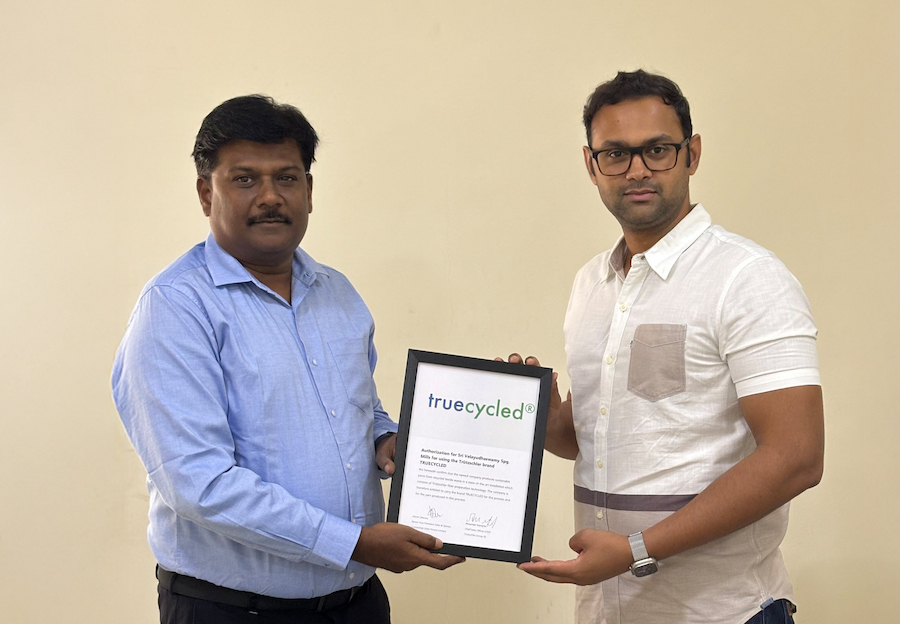
Sri Velayudhaswamy Spinning Mills (based in Dindigul): This customer produces 14 tons of recycled yarn (Ne 20 to Ne 40) per day from a blend of recycled cotton and polyester, using more than 50 percent pre-consumer waste © 2025 Trützschler


Tirumalai Textiles (based in Coimbatore): Using more than 50 percent of pre-consumer waste, this manufacturer produces 17.5 tons of open-end yarn (Ne 10 to Ne 30) per day for weaving and hosiery applications © 2025 Trützschler


Expanding worldwide

The TRUECYCLED installations in India join a growing group of companies around the globe that is recognizing the advantage of Trützschler solutions for textile recycling. This includes Trützschler customers in Türkiye as well as across Europe. Looking ahead, experts at Trützschler are striving to further expand the number of TRUECYCLED reference customers worldwide. Together, we can unlock maximum value from textile waste by leveraging the power of state-of-the-art machinery – and producing high-quality yarn that supports a more sustainable future for this industry.


More News from Truetzschler GmbH & Co. KG

#Spinning

Perfect quality through collaboration: Machinery from Trützschler, Toyota and Murata at Zirve Tekstil

In today’s textile industry, excellence is not achieved by chance – it’s the result of deliberate decisions, technical expertise, and the courage to go beyond conventional paths. The Turkish company Zirve Tekstil has done just that: by combining the best technologies from Trützschler, Toyota and Murata, they’ve created a production setup that delivers outstanding yarn quality – recognized worldwide.

#Spinning

Details matter: How Trützschler cylinder wires boost efficiency in Pakistan’s spinning sector

Pakistan’s textile industry, especially its spinning sector, is the backbone of the national economy and a vibrant hub of innovation. Today’s spinning mills face growing demands for efficiency, quality, and sustainability. From the serene northern valleys to the vibrant port city of Karachi in the south, mills like Suraj Cotton Mills, Liberty, and Nishat Chunian are turning to advanced solutions.

#ITMA Asia + CITME Singapore 2025

T-CAN – Revolutionizing can transport

In virtually all spinning mills, transporting sliver cans is still done manually. Rising labor costs, lack of operators and increasing quality requirements make this a growing challenge. With T-CAN, Trützschler introduces a practical solution: a fully automated can transport system that will be presented live at ITMA ASIA 2025 in Singapore.

#Spinning

Pre-Cleaner CL-X: The future of cotton cleaning

What if the future of cotton cleaning was already here – setting a new standard for cleaning efficiency, productivity and energy savings? That future has a name: CL-X. Since its market launch in 2022, the Pre-Cleaner CL-X has become a true bestseller, proving its value in several hundred customer applications worldwide. Now, new results from Türkiye demonstrate again how the Pre-Cleaner CL-X outperforms the competition.

More News on Spinning

#Spinning

Graf at EXINTEX – Strengthening presence in Latin America

Graf successfully participated in EXINTEX, one of the leading textile exhibitions in Latin America, together with its local agent Eurotecnica. The exhibition provided an excellent platform to engage with customers, partners and industry experts across the region.

#Spinning

Temco launches a new DTY all-in-one solution

Temco introduces the DTY All-in-One Solution – a fully harmonized set of components engineered to give customers a highly stable, low maintenance and reproducible process environment. The solution reduces interruptions, extends component lifetimes and supports consistent yarn quality across all machine positions. All-in-One Solution – a fully harmonized set of components engineered to provide maintenance and reproducible process environment.

#Techtextil 2026

DIENES at Techtextil 2026: Flexible pilot lines for bio-based fiber development

The growing relevance of bio-based materials in technical textiles is accompanied by increasing demands for reproducibility, high-quality data, and scalable process routes. Especially when working with cellulose and its derivatives, chitosan, lignin-based approaches, or bio-based PAN as a carbon-fiber precursor, R&D teams face variable feedstock quality, tighter process windows, and the need for reliable comparability across trials. This calls for flexible, data-driven experimental setups that can be reconfigured efficiently when recipes, solvents, and raw-material batches change.

#Techtextil 2026

RETECH showcases high-precision godets for high-performance fiber processing at Techtextil 2026

RETECH designs and manufactures godets and draw frames for heated, ambient and cooled processes, enabling precise heat treatment and consistently high yarn quality for a wide range of polymers and applications, with process temperatures of up to 400 °C for high-performance fibers. The company’s key competence lies in exact and stable temperature and speed control, individually adapted to the specific material and process requirements.

Latest News

#Raw Materials

New study shows low environmental impact by Cotton made in Africa Organic Cotton from Tanzania

Today, the Aid by Trade Foundation (AbTF) is announcing the results of a comprehensive life-cycle analysis (LCA) for cotton produced in Tanzania under the Cotton made in Africa Organic (CmiA Organic) standard. The study emphasises the small ecological footprint of CmiA Organic verified cotton. This can largely be traced back to the absence of synthetic pesticides, artificial fertilisers, and artificial irrigation. Consequently, CmiA Organic cotton can help the textile industry meet regulatory requirements as well as science-based targets. The results also show that the consequences of climate change threaten the livelihoods of these cotton farmers, even though the type of agriculture they practise barely contributes to climate change.

#Raw Materials

Better Cotton Initiative strengthens regenerative focus in standard update

The Better Cotton Initiative (BCI) has strengthened the regenerative focus of its field-level standard with the launch of a new version of its Principles & Criteria (P&C), which marks the next step in the organisation’s journey to becoming a regenerative standards system.

#Man-Made Fibers

Selenis and Kintra Fibers partner to scale 100% bio-based synthetic fiber technology

Selenis, a leading global specialty polyester manufacturer, today announced a strategic manufacturing partnership with materials science company Kintra Fibers to scale Kintra’s patented fiber-grade PBS resin - a 100% bio-based and biodegradable material designed for textile applications.

#Functional Fabrics

PERFORMANCE DAYS proves its relevance as the industry’s key meeting point

Held on March 18–19, 2026, PERFORMANCE DAYS once again confirmed its position as a leading international platform for functional textiles. A total of 3.366 trade visitors and around 560 exhibitors gathered in Munich, with the event already kicking off successfully on DAY 0, which received highly positive feedback for its interactive format. Despite challenging conditions caused by the public transport strike in Munich, the event saw strong attendance and a consistently high level of activity across both exhibition days.

TOP