[pageLogInLogOut]

#Recycling / Circular Economy

Pirelli, Pyrum, Synthos and BASF partner to transform end‑of‑life and scrap tyres into recycled materials for new products

“Tyre‑to‑tyre” project launched in Europe, coordinated by Pirelli, to advance circularity and reduce reliance on virgin raw materials
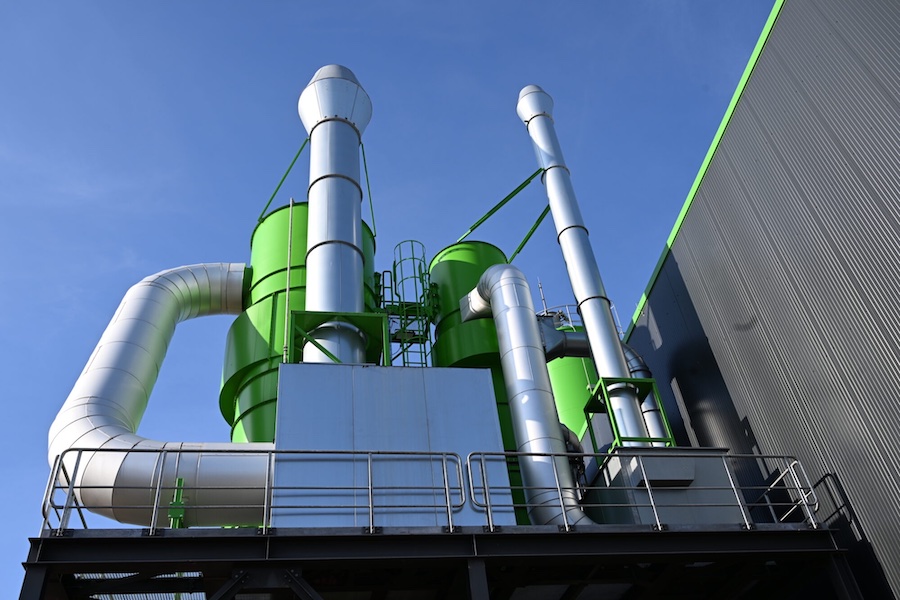
Pyrum industrial plant with piping © 2026 Pyrum
Pirelli, Pyrum, Synthos and BASF are jointly advancing a tyre-to-tyre circular economy initiative in Europe, driving the development of an industrial ecosystem designed to increase the use of recycled materials derived from end-of-life and scrap tyres.

The process draws on end‑of‑life tyres collected across Germany, from some Driver retail outlets and motorsport activities, as well as scrap tyres collected from Pirelli's Breuberg plant. They are processed through an industrial chain designed to maximize their inner value, converting them into secondary raw materials – including synthetic rubber – certified under the ISCC PLUS scheme. This ensures traceability along the value chain and enables the circular materials’ reintroduction into the manufacturing of new Pirelli tyres, maintaining their highest standards of quality and performance.

Within this process, Pyrum converts end‑of‑life and scrap tyres through a pyrolysis process — a high-temperature thermal decomposition of materials in the absence of oxygen — into two valuable secondary raw materials: recovered carbon black (rCB) and tyre pyrolysis oil (TPO). The recovered carbon black is upgraded in quality and directly reintroduced into Pirelli’s European production, partially replacing virgin carbon black.

At the same time, the TPO is supplied to BASF, where it is co-fed with fossil-based feedstock into the production process of chemical products such as butadiene and styrene. A mass balance approach enables attributing the recycled content to the ISCC PLUS-certified Ccycled® products. These circular materials are then used by Synthos to produce ISCC PLUS‑certified synthetic rubber for high-performance tire applications, which Pirelli reintroduces into its production processes, closing the loop.

The project perfectly reflects that genuine product circularity cannot be achieved by a single company acting alone. It requires creating industrial ecosystems involving players with complementary expertise, each contributing to different phases of the transformation process around a shared material loop. Through collaboration and the combination of technological innovation, material science, and certified processes, the partners, driven by Pirelli, build a coordinated system in which materials are recovered, transformed and reused by maximizing their inner value.

The European tyre‑to‑tyre project represents the most comprehensive application of this approach to date, demonstrating how end‑of‑life tyres can become a valuable resource within a structured and traceable industrial loop.

More News from BASF Aktiengesellschaft
Performance Chemicals for Textiles Europe

#Nonwovens

BASF opens global diaper and superabsorbents performance lab in Mumbai

BASF has officially inaugurated its new Performance Lab for diapers and superabsorbents (SAP) in Mumbai on August 18, 2026, which will provide technical and application services to superabsorbent customers globally. The new lab of BASF’s Hygiene Solutions business has been established in less than a year and is part of BASF’s Innovation Campus Asia Pacific in Mumbai, BASF’s second largest R&D site in Asia Pacific established in 2017 under BASF Chemicals India Private Limited.

#Recycled Fibers

Lindex and BASF partner to bring textile-­to­-textile recycled polyamide to lingerie sector

Lindex has partnered with BASF’s loopamid® to accelerate textile-­to-­textile recycling and advance the shift towards more circular material solutions in the fashion industry. Together they introduce loopamid to the lingerie sector.

#Textile processing

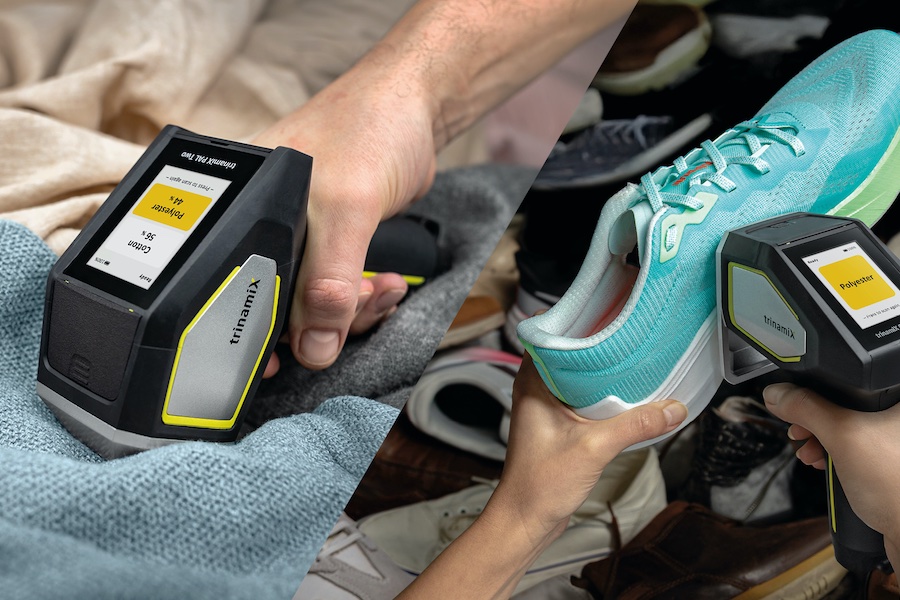
trinamiX mobile NIR spectroscopy: New applications for the footwear and textile industry

trinamiX GmbH expands its solution portfolio for the circular economy, now enabling the identification of materials used in the footwear and textile industries. With its mobile near-infrared (NIR) spectroscopy solutions, trinamiX supports manufacturers, sorters, recyclers, and brand owners in reliably identifying materials and improving transparency across increasingly complex value chains.

#Techtextil 2026

BASF at Techtextil 2026: Helping to shape the future of the textile industry with tangible solutions

At the leading international trade fair for technical textiles and nonwovens from April 21 to 24, 2026 at the Messe Frankfurt, BASF will present numerous solutions and new projects in the textile sector to customers and partners at booth B 68 in hall 11.0. The focus is on product innovations and future-oriented technologies.

More News on Recycling / Circular Economy

#Recycling / Circular Economy

Textiles Recycling Expo USA 2027 opens registration and expands with manufacturing exhibition

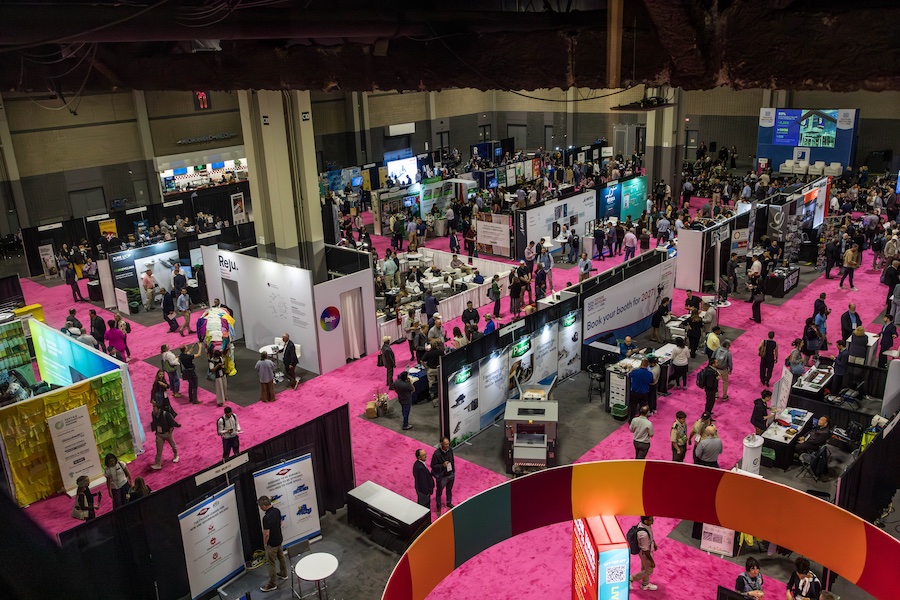
The second edition of Textiles Recycling Expo USA will take place on 7–8 April 2027 in Charlotte, North Carolina. Following a debut that attracted more than 1,800 visitors and 95 exhibitors, the event will expand its exhibition and conference programme and will be held alongside the new Textiles Manufacturing Expo.

#Recycled Fibers

Recover launches global campaign highlighting industrial-scale recycled cotton solutions

Under the motto “REAL. Today, Not Someday.”, Recover aims to shift attention towards recycling technologies already operating at commercial scale. In 2025, the company's recycled cotton was used in more than 200 million garments worldwide.

#Recycling / Circular Economy

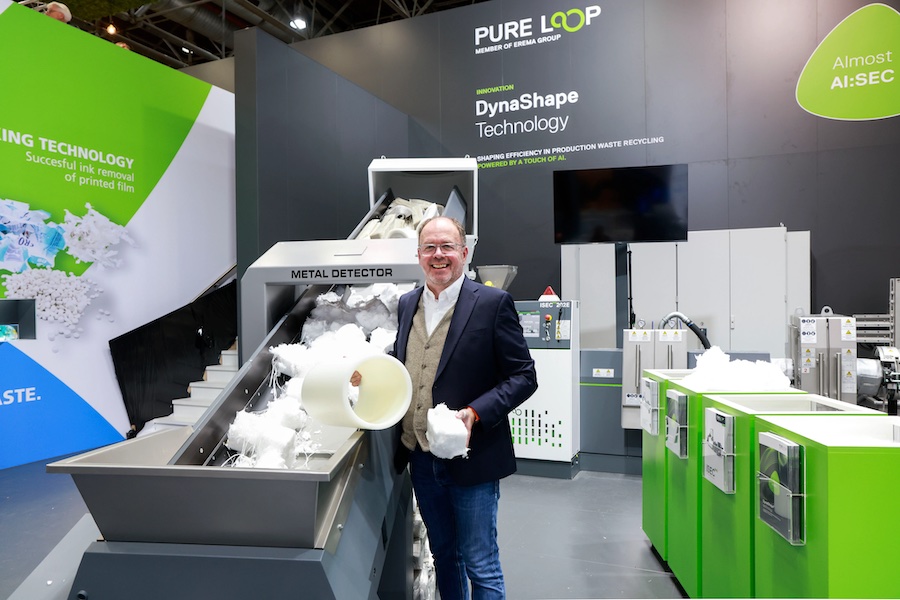
PURE LOOP's DynaShape® automation increases recycling productivity by up to ten percent

The intelligent automation solution for the ISEC evo recycling machine automatically adjusts operating parameters to changing input materials, improving throughput, melt quality and process stability while reducing operator workload.

#Recycling / Circular Economy

From textile waste to spinning-grade fiber: STADLER Group engineers integrated sorting solution for IGERS in Italy

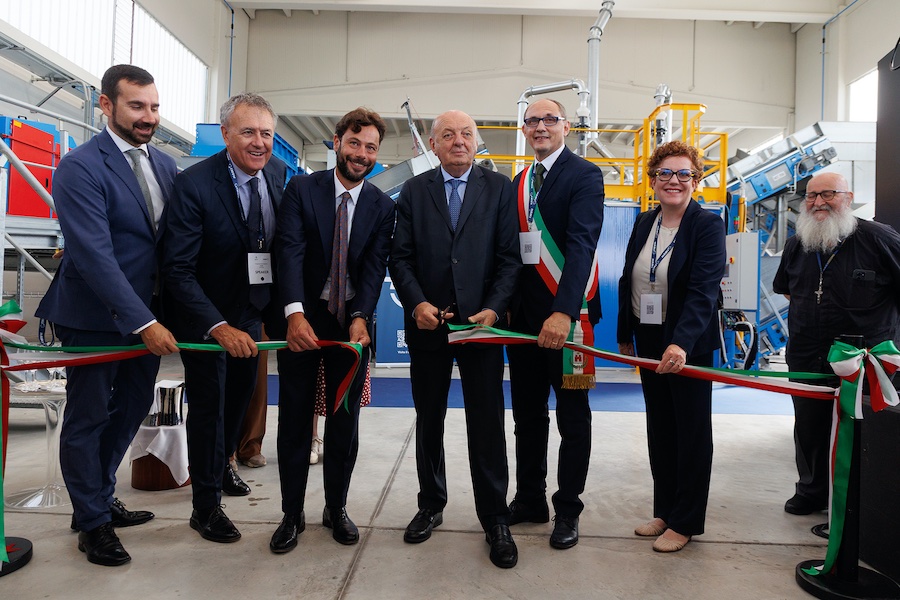
As technology partner, STADLER worked alongside IGERS on its new plant in San Pietro Mosezzo, Novara, from the first process discussions to the final layout – integrating key treatment equipment into one system and supplying the fully automated sorting line. Together, the two companies have taken IGERS' patented textile recycling process from vision to industrial reality.

Latest News

#ITMA Asia + CITME 2026

KARL MAYER expands TM WEFT capabilities for fashion fabrics at ITMA ASIA 2026

A new E 36 gauge, an EL pattern drive and improved yarn tension regulation extend the application possibilities of KARL MAYER's TM WEFT warp knitting machine. At ITMA ASIA 2026, the company will demonstrate the developments alongside a collection of woven-like warp knitted fabrics for fashion and apparel.

#Research & Development

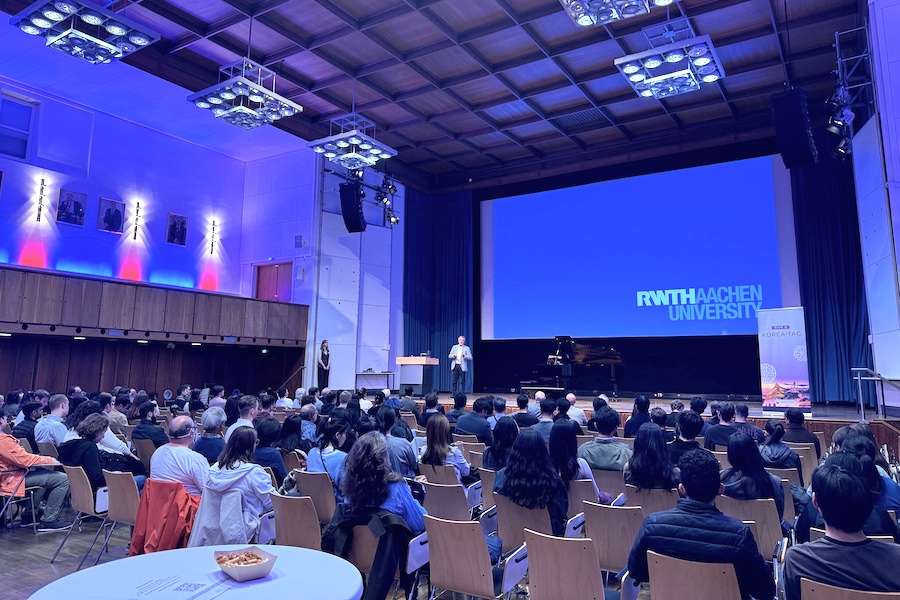
First "Korea Day" at RWTH Aachen attracts more than 300 participants

The inaugural Korea Day in Aachen brought together representatives from science, business and Korean institutions to strengthen German-Korean cooperation in research, technology and education. The Institut für Textiltechnik (ITA) of RWTH Aachen University was among the participating organisations.

#Textiles & Apparel / Garment

MarediModa highlights transparency and traceability with InsideOut by C.L.A.S.S.

The InsideOut by C.L.A.S.S. exhibition at MarediModa 2026 in Cannes focused on transparency, traceability and the measurable values behind fashion products. Its Decalogue of Values aims to make environmental, social and production-related information more accessible throughout the textile supply chain.

#Industry 4.0 / Digitalization

White House reduces production planning time by up to 80% with Coats Digital’s FastReactPlan

Indian garment manufacturer White House has reduced its production planning cycle by 60–80% following the implementation of Coats Digital’s FastReactPlan software. The integrated planning solution provides greater visibility across production, capacity and material requirements while supporting faster decision-making and improved delivery performance.

TOP