[pageLogInLogOut]

#Recycled Fibers

Circulose partners with Marks & Spencer to accelerate circular fashion

Circulose has announced a partnership with Marks & Spencer (M&S), making the iconic British retailer the first UK brand to join Circulose as a Scaling Partner. This milestone collaboration marks a powerful step forward in transforming how fashion is made, driving circularity from concept to scale.

By joining forces, M&S is reinforcing its commitment to sustainability and supporting Circulose’s mission to make circular materials mainstream. The brand will integrate a significant volume of CIRCULOSE® into its collections, helping drive broader adoption of next-generation circular materials across the industry.

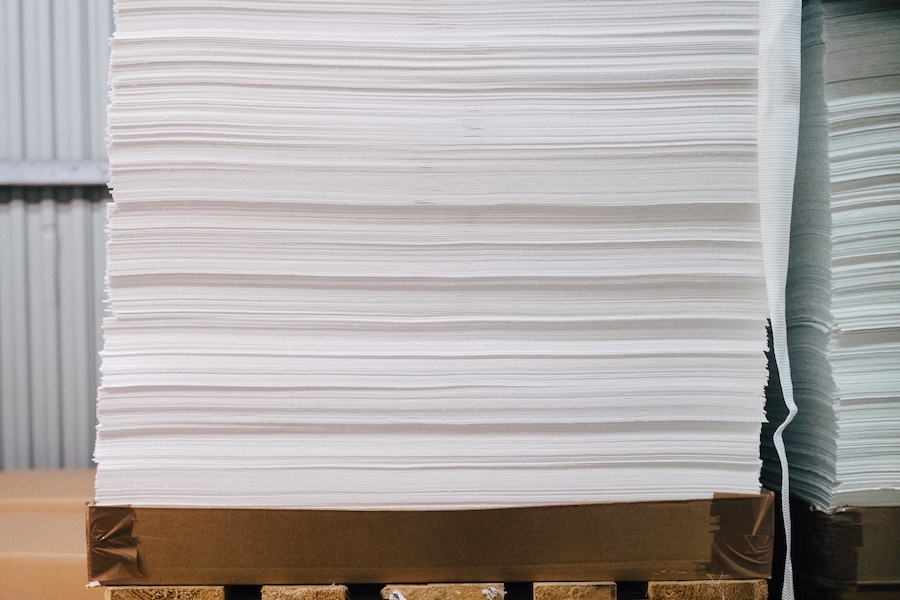
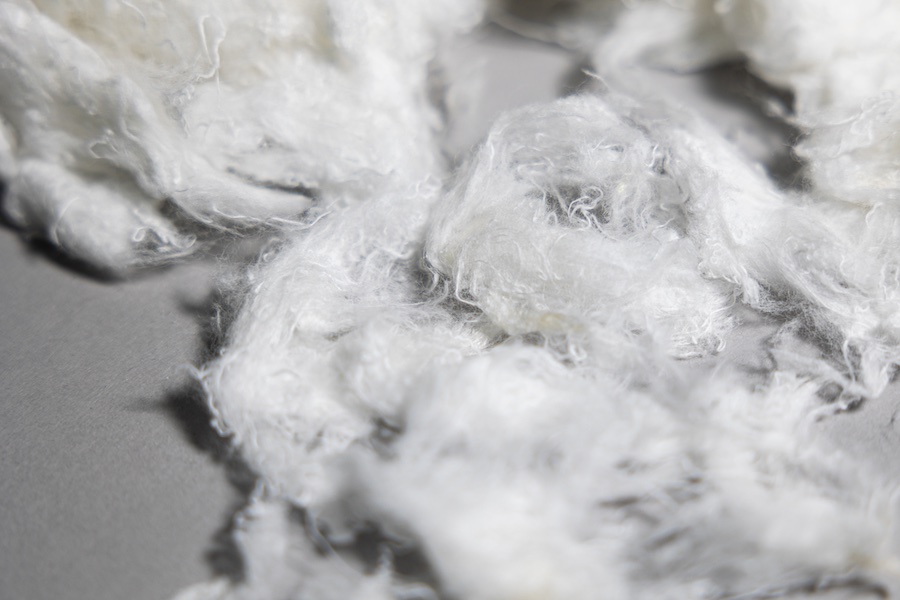
CIRCULOSE®, made entirely from textile waste, helps fashion brands reduce their dependence on virgin fibers derived from trees, while delivering the same high quality and performance. By transforming discarded textiles into a new material, Circulose helps minimize waste, lower emissions, and ease pressure on land and forests, advancing the shift toward a global circular fashion system.

“We are thrilled to welcome M&S as Circulose’s first Scaling Partner in the UK. Their leadership in sustainability and commitment to circular fashion plays an important role in accelerating adoption of next-generation fibers. This partnership is one of several we are building with leading global brands, with more set to join soon,” says Jonatan Janmark, CEO of Circulose.

"Partnering with Circulose allows us to put the concept of circular design into action and will be an example of how the industry can move from small-scale pilots to incorporating next-generation materials at a greater scale,” said Katharine Beacham, Head of Materials and Sustainability “By integrating circular materials into our sourcing strategy, we will be reducing reliance on virgin fibres, cutting waste, and helping to build a fashion industry that’s fit for the future.”

This partnership also validates Circulose’s renewed commercial strategy, centered on close, hands-on collaboration with global brands. Through its new licensing model and dedicated implementation support, Circulose supports brands to scale circular materials efficiently across the entire textile value chain, beyond capsule collections.
More News from Circulose

#Recycling / Circular Economy

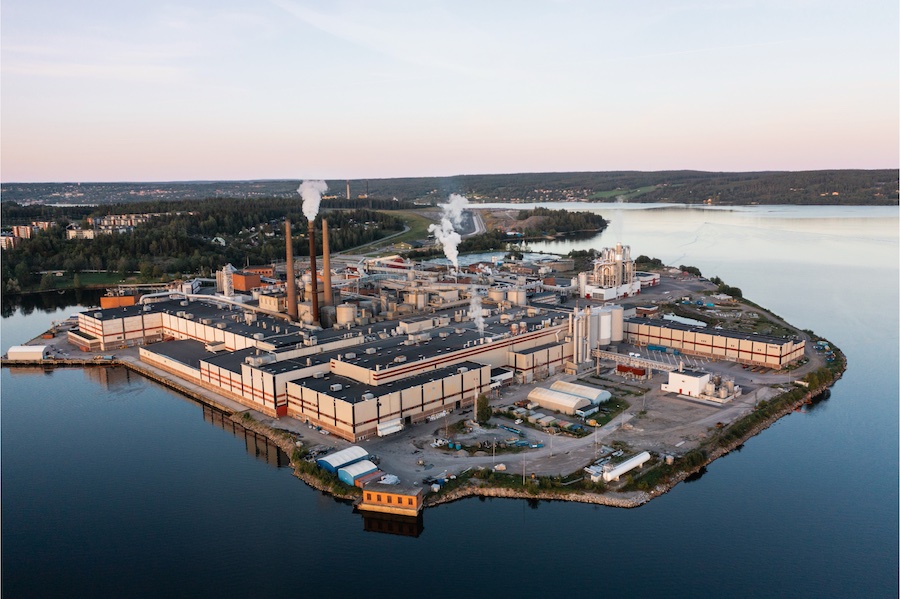
Circulose restarts commercial-scale production at Ortviken plant in Sundsvall

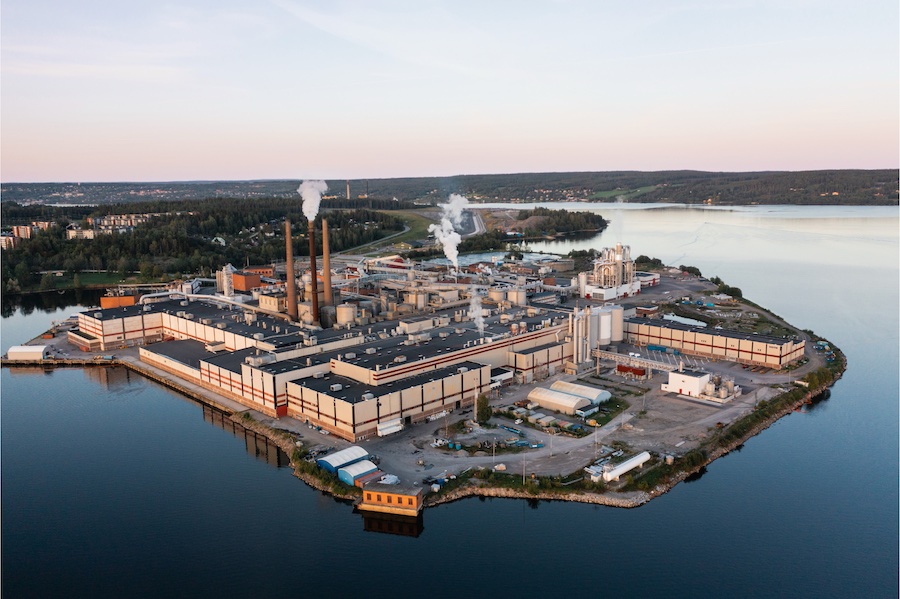
Circulose today announced the restart of its commercial-scale production plant at Ortviken in Sundsvall, Sweden, marking a significant step in scaling next-generation materials for the global fashion industry. The company plans to resume production of CIRCULOSE®, a recycled pulp made entirely from discarded cotton textiles, in the fourth quarter of 2026.

#Recycled Fibers

Circulose and Birla Cellulose announce partnership agreement to advance circular textiles

Circulose, a leading producer of recycled textile pulp for the fashion and textile industry, and Birla Cellulose, a global leader in sustainable viscose fiber, have signed a strategic partnership agreement to jointly accelerate textile recycling.

#Recycled Fibers

Leading fashion brands step up to unlock the next chapter of Circulose

Since 2024, under new ownership and leadership, Circulose has set a renewed strategic direction focused on securing long-term commitments with partner brands to bring CIRCULOSE® back to market at scale. This strategy has proven successful.

#Recycling / Circular Economy

Circulose and Jilin Chemical Fiber forge partnership to scale circular Viscose filament yarn

Circulose, a global leader in textile recycling, has entered into a strategic partnership with Jilin Chemical Fiber to exclusively market and sell viscose filament yarn produced with CIRCULOSE® for the global market in 2026 to 2028, accelerating the large-scale adoption of next-gen textile fibers.

More News on Recycled Fibers

#Recycling / Circular Economy

Reju secures €135 Million in Dutch NIKI Funding for industrial-scale textile-to-textile regeneration hub at Chemelot Industrial Park, the Netherlands

Reju™, the progressive textile-to-textile regeneration company, has been awarded €135 million in funding under the Netherlands’ Nationale Investeringsregeling Klimaatprojecten Industrie (NIKI) program. The funding will support Reju’s planned industrial-scale Regeneration Hub at Chemelot Industrial Park in Sittard-Geleen, covering both the investment phase and ongoing operations, and represents a critical milestone on the path toward final investment decision.

#Recycling / Circular Economy

eeden is now a Canopy partner

eeden is committed to enable circular textiles by developing recycling technologies that turn textile waste into valuable raw materials. But the commitment goes further – eeden advocates for supply chain solutions that uphold responsible environmental and ethical standards, protecting global ecosystems including Ancient and Endangered Forests.

#Recycling / Circular Economy

Infinited Fiber Company’s environmental permit for Kemi advances to statutory appeal phase

Infinited Fiber has reached an important regulatory milestone in Finland, as the environmental permit process for a potential facility in Kemi has progressed to the statutory appeal phase.

#Recycling / Circular Economy

Carbios confirms Longlaville plant in France following financing progress

Carbios has reaffirmed its plans to build its Longlaville plant in France within a project financing framework, targeting the start of production in the first half of 2028. The company also reports a solid cash position of around €60 million at the end of 2025 and has appointed Benoît Grenot as Deputy Chief Executive Officer to support the execution of its strategic projects.

Latest News

#Raw Materials

New study shows low environmental impact by Cotton made in Africa Organic Cotton from Tanzania

Today, the Aid by Trade Foundation (AbTF) is announcing the results of a comprehensive life-cycle analysis (LCA) for cotton produced in Tanzania under the Cotton made in Africa Organic (CmiA Organic) standard. The study emphasises the small ecological footprint of CmiA Organic verified cotton. This can largely be traced back to the absence of synthetic pesticides, artificial fertilisers, and artificial irrigation. Consequently, CmiA Organic cotton can help the textile industry meet regulatory requirements as well as science-based targets. The results also show that the consequences of climate change threaten the livelihoods of these cotton farmers, even though the type of agriculture they practise barely contributes to climate change.

#Raw Materials

Better Cotton Initiative strengthens regenerative focus in standard update

The Better Cotton Initiative (BCI) has strengthened the regenerative focus of its field-level standard with the launch of a new version of its Principles & Criteria (P&C), which marks the next step in the organisation’s journey to becoming a regenerative standards system.

#Man-Made Fibers

Selenis and Kintra Fibers partner to scale 100% bio-based synthetic fiber technology

Selenis, a leading global specialty polyester manufacturer, today announced a strategic manufacturing partnership with materials science company Kintra Fibers to scale Kintra’s patented fiber-grade PBS resin - a 100% bio-based and biodegradable material designed for textile applications.

#Functional Fabrics

PERFORMANCE DAYS proves its relevance as the industry’s key meeting point

Held on March 18–19, 2026, PERFORMANCE DAYS once again confirmed its position as a leading international platform for functional textiles. A total of 3.366 trade visitors and around 560 exhibitors gathered in Munich, with the event already kicking off successfully on DAY 0, which received highly positive feedback for its interactive format. Despite challenging conditions caused by the public transport strike in Munich, the event saw strong attendance and a consistently high level of activity across both exhibition days.

TOP