#Raw Materials
Cotton Brazil strengthens ties between Brazilian growers and the international textile industry at ITMA ASIA 2026
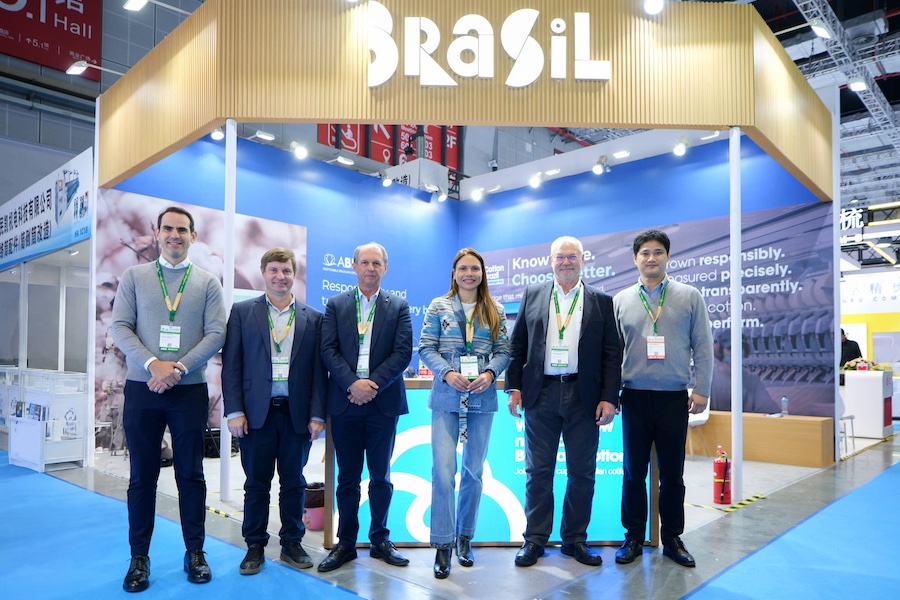
With a focus on the Cotton Brazil Knowledge Hub platform and the Responsible Brazilian Cotton (ABR) programme, Brazil's participation aimed to bring agricultural production practices closer to the requirements of the international textile industry.
“It is very important for Brazil to stay close to our customers, and ITMA is our opportunity to meet machinery suppliers, friends who have already visited Brazil, and also an opportunity to invite them. And, increasingly, to learn and teach a little more about our cotton,” said Celestino Zanella, Vice President of the Brazilian Cotton Growers Association (Abrapa).
Connecting growers and the textile industry
The presence of Brazilian growers was central to Cotton Brazil's participation in Shanghai. Direct contact with textile manufacturers allows producers to better understand how the characteristics of their fibre impact processing costs, material utilisation and yarn quality.
For manufacturers, understanding growing conditions, ginning practices and quality control procedures provides valuable context when selecting raw materials. Brazil's quality assurance framework, which combines laboratory monitoring coordinated by Abrapa and official certification through the Ministry of Agriculture and Livestock, supports this process by providing objective information about fibre properties.
“Asia is the main destination for Brazilian cotton exports, which is why it is essential to be present, reinforcing Brazil’s position as a long-term partner and a consistent supplier of the most important raw material for the textile industry,” said Fernando Rati, Head of Business and International Relations at Abrapa.
Responsible production as a sourcing criterion
The Responsible Brazilian Cotton (ABR) programme was one of the highlights of Cotton Brazil's presence at ITMA ASIA. Covering most of Brazil's cotton production, the initiative incorporates independent audits, compliance with labour and environmental legislation, and continuous improvement of farming practices.
As environmental and social considerations become more prominent in sourcing policies, manufacturers and brands increasingly require documented evidence of how their raw materials are produced. Certification provides a means of assessing these practices against established requirements.
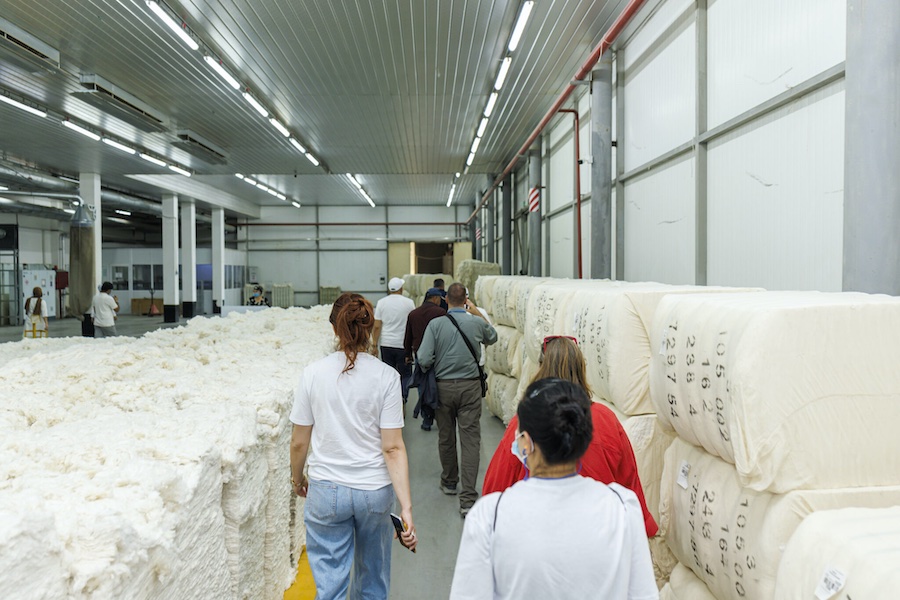
In addition to farm certification, Brazil has an individual bale identification system that enables fibre origin verification, addressing a growing demand for traceability across the textile value chain.
“Retail brands are constantly demanding the textile industry to identify the origin of its raw materials, and Brazil is ready to show the origin of its cotton,” said Alessandra Zanotto, President of the Bahia Cotton Growers Association (Abapa).
Technical knowledge as a competitive advantage
Another highlight of Brazil's participation was the Cotton Brazil Knowledge Hub, a global knowledge platform dedicated to Brazilian cotton. It provides international audiences with access to technical information, market data, training, research, educational content and industry experts.
“It is an opportunity for us to present not only the latest data on our cotton, but also the Knowledge Hub, which brings together all the information we have been collecting in Asia on the use of Brazilian cotton in spinning mills,” said Zanella.
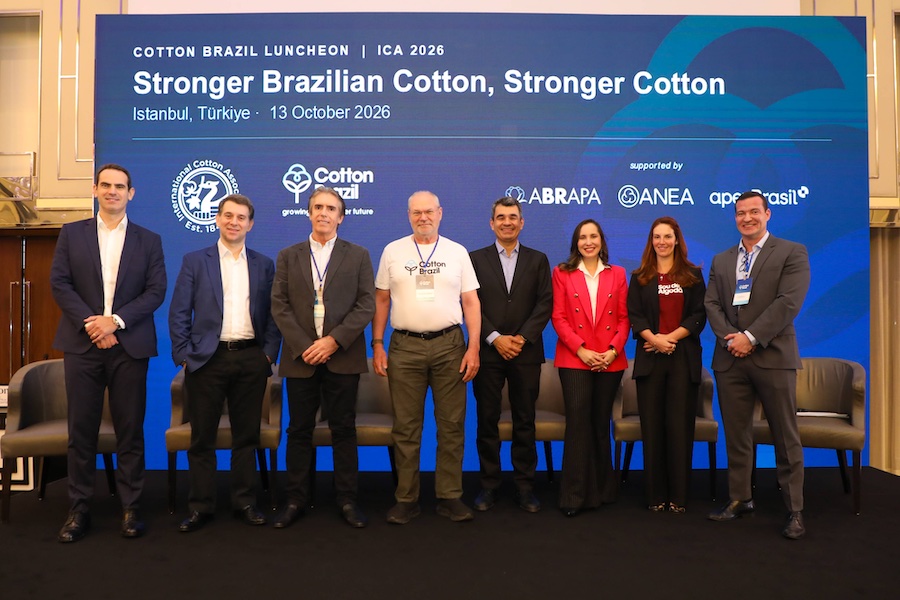
Participation in ITMA ASIA was part of the international mission agenda of Cotton Brazil, an initiative of the Brazilian Cotton Growers Association (Abrapa), the Brazilian Cotton Shippers Association (ANEA) and the Brazilian Trade and Investment Promotion Agency (ApexBrasil).