[pageLogInLogOut]

#Raw Materials

Kraig Biocraft reaches next step in production growth

Glowing cocoons © 2026 Kraig Biocraft
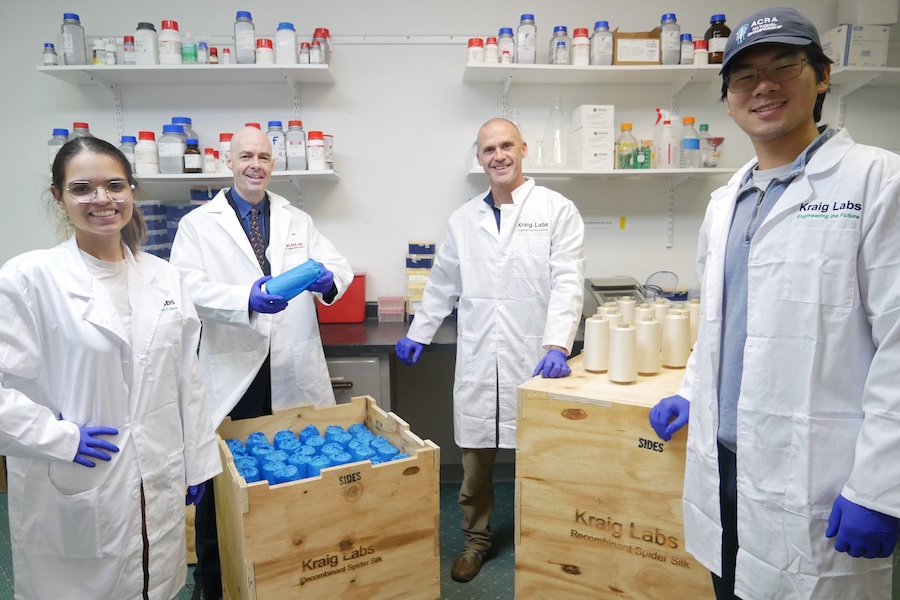
Kraig Biocraft Laboratories, Inc. (OTCQB: KBLB) (“the Company”, “Kraig Labs”, or “Kraig’s”), a world leader in spider silk technology*, today announced that it has produced more than 1.3 metric tons of recombinant spider silk cocoons in a single month. This is a new world record and shatters the Company’s previous production record by a factor of five. Today marks a pivotal step forward in the transition of spider silk from laboratory innovation to an industrial-scale material platform.

When Kraig Labs unveiled its 2026 production plan in February, the Company committed to an aggressive timeline to scale spider silk output to multi-ton commercial volumes. Today’s announcement confirms that Kraig Labs is delivering on that commitment.

“This is a defining moment for our Company and for the future of advanced materials. We told the market we were going to scale fast, and that is exactly what we are doing,” said Kim Thompson, Founder and CEO of Kraig Labs. “Crossing the one metric ton mark in a single month is a massive commercialization milestone. This is real production at scale. Recombinant spider silk commercialization isn’t coming, it’s here.”

The Company reported that the production ramp was completed without operational disruptions or delays. Expanded facilities and newly deployed BAM-1 Alpha production hybrids performed as designed, with output meeting or exceeding internal benchmarks at every stage. This seamless execution reflects years of investment in scalable infrastructure, proprietary production strains, and vertically integrated operations.

Each phase of the Company’s scale-up has now been validated in the field, building a foundation for continued acceleration.

“This wasn’t a one-off. This was a pressure test of our entire system, our facilities, our hybrids, our team, and every piece delivered,” Thompson added. “We built this platform and a technology designed for scale, and the results speak for themselves.”

With the one metric ton threshold now cleared, Kraig Labs is driving toward its next major target: 10 metric tons of spider silk cocoon production per month. The Company expects to reach that level within the coming months, unlocking significant commercial opportunities across technical textiles, performance apparel, and other applications.

At that scale, Kraig Labs believes spider silk will move from a breakthrough biomaterial to a widely available, high-performance industrial fiber. A material that has no equal; lightweight, exceptionally strong, and sustainably produced.

“Our trajectory is accelerating,” Thompson concluded. “We are building something the world has never seen before, and we’re doing it faster than most thought possible.”



More News from

#ITMA Asia + CITME 2026

KARL MAYER expands TM WEFT capabilities for fashion fabrics at ITMA ASIA 2026

A new E 36 gauge, an EL pattern drive and improved yarn tension regulation extend the application possibilities of KARL MAYER's TM WEFT warp knitting machine. At ITMA ASIA 2026, the company will demonstrate the developments alongside a collection of woven-like warp knitted fabrics for fashion and apparel.

#Recycling / Circular Economy

Textiles Recycling Expo USA 2027 opens registration and expands with manufacturing exhibition

The second edition of Textiles Recycling Expo USA will take place on 7–8 April 2027 in Charlotte, North Carolina. Following a debut that attracted more than 1,800 visitors and 95 exhibitors, the event will expand its exhibition and conference programme and will be held alongside the new Textiles Manufacturing Expo.

#Research & Development

First "Korea Day" at RWTH Aachen attracts more than 300 participants

The inaugural Korea Day in Aachen brought together representatives from science, business and Korean institutions to strengthen German-Korean cooperation in research, technology and education. The Institut für Textiltechnik (ITA) of RWTH Aachen University was among the participating organisations.

#Textiles & Apparel / Garment

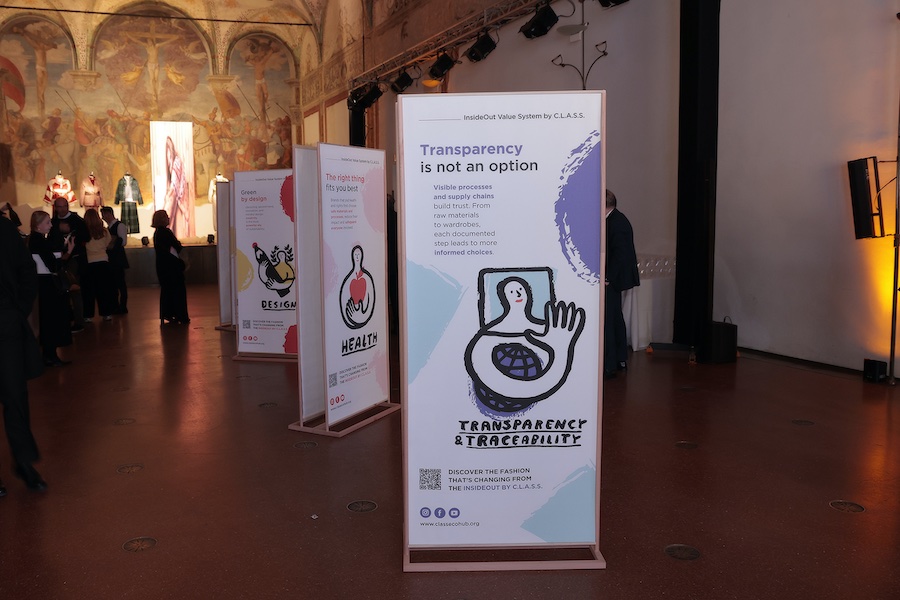
MarediModa highlights transparency and traceability with InsideOut by C.L.A.S.S.

The InsideOut by C.L.A.S.S. exhibition at MarediModa 2026 in Cannes focused on transparency, traceability and the measurable values behind fashion products. Its Decalogue of Values aims to make environmental, social and production-related information more accessible throughout the textile supply chain.

More News on Raw Materials

#Natural Fibers

ICAC announces 84th Plenary Meeting in Egypt with focus on cotton industry resilience

Registration is now open for the International Cotton Advisory Committee’s 84th Plenary Meeting, which will take place from 24 to 26 March 2027 in Alexandria, Egypt. The conference will address climate resilience, technological developments, sustainability and competitiveness across the global cotton and textile value chain.

#Raw Materials

New Cotton Review examines competitiveness, market risk, and opportunities

From moving record volumes of Brazilian cotton to market, to managing price volatility, unlocking Ethiopia’s production potential, and strengthening African textile trade, the latest edition of Cotton: Review of the World Situation examines some of the most consequential opportunities and challenges facing the global cotton industry.

#Raw Materials

Kraig Labs ships first commercial spider silk yarn

Kraig Biocraft Laboratories, Inc. (OTCQB: KBLB) (“the Company”, “Kraig Labs”, or “Kraig’s”), a world leader in spider silk technology*, today announced the shipment of its first commercial order of recombinant spider silk yarn. The custom-engineered yarn was produced to fulfill a purchase commitment from a globally recognized performance sports brand and is slated for development into a first-of-its-kind performance textile.

#Raw Materials

ALLIED expands down traceability with lot-level carbon footprint data

ALLIED Feather + Down has expanded its TrackMyDown traceability platform to include validated cradle-to-gate carbon footprint data linked to individual down lots. The initiative is designed to provide brands and consumers with more detailed environmental information on the materials used in finished products and could also support future data requirements associated with Digital Product Passports.

Latest News

#Industry 4.0 / Digitalization

White House reduces production planning time by up to 80% with Coats Digital’s FastReactPlan

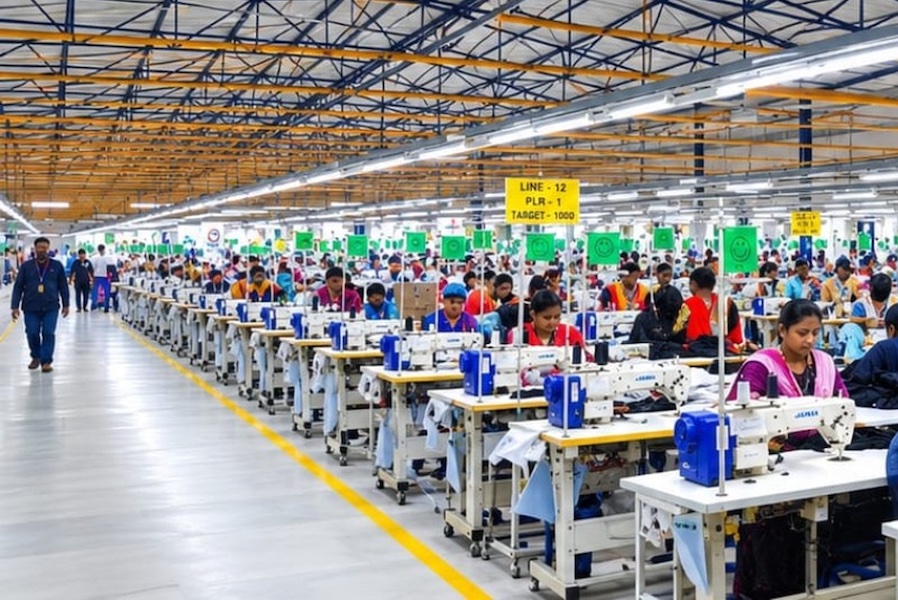
Indian garment manufacturer White House has reduced its production planning cycle by 60–80% following the implementation of Coats Digital’s FastReactPlan software. The integrated planning solution provides greater visibility across production, capacity and material requirements while supporting faster decision-making and improved delivery performance.

#Recycled Fibers

Recover launches global campaign highlighting industrial-scale recycled cotton solutions

Under the motto “REAL. Today, Not Someday.”, Recover aims to shift attention towards recycling technologies already operating at commercial scale. In 2025, the company's recycled cotton was used in more than 200 million garments worldwide.

#Heimtextil 2027

Heimtextil 2027 introduces Functional Futures Lab for innovative performance materials

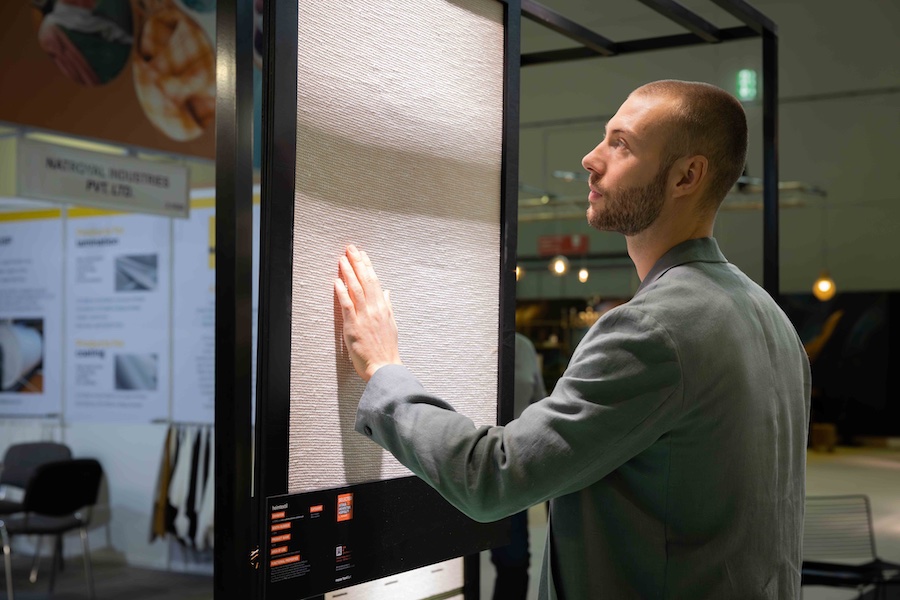
Heimtextil 2027, taking place from 12 to 15 January in Frankfurt, will introduce the Functional Futures Lab, a new special showcase dedicated to innovative materials and their functional properties. Curated by Future Fabrics Expo, the exhibition will present developments ranging from temperature-regulating and flame-resistant textiles to bio-based composites and experimental material concepts. By bringing together early-stage prototypes and commercially available solutions, the showcase aims to provide guidance for future material selection and product development in architecture, interior design and hospitality.

#Digital Printing

VistaPrint increases apparel production capacity with Kornit Apollo

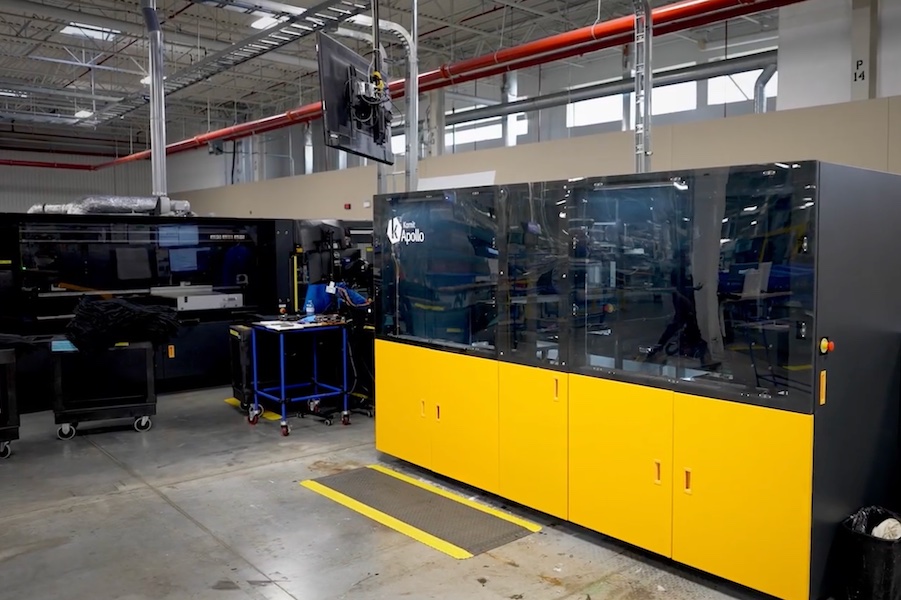
Kornit Digital (NASDAQ: KRNT), a provider of on-demand digital textile production technologies, reports that VistaPrint has significantly increased its apparel production capacity through the implementation of the Kornit Apollo system. The installation has enabled the international print and design company to add approximately 25,000 units of weekly production capacity while improving production speed, operational efficiency and order turnaround times.

TOP