[pageLogInLogOut]

#Nonwovens

EDANA launches landmark continence report to mark the start of the World Continence Week

Today marks the official commencement of the World Continence Week. To honour this global awareness initiative, EDANA has published a comprehensive report titled "The Central Role of Absorbent Hygiene Products in the Management of Adult Urinary Incontinence: Benefits, Costs and Environmental Impact." The World Continence Week (WCW) is an annual global initiative dedicated to raising public awareness about incontinence and bladder or bowel health issues. Traditionally held in June, this awareness week aims to shed light on a condition that affects millions of people worldwide but is frequently kept secret due to widespread social stigma, embarrassment, and taboo.

Urinary incontinence (UI) is a widely prevalent condition affecting millions worldwide across all age groups, with an escalating incidence among older demographics. As global populations age and lifestyle-related risk factors such as obesity and reduced physical activity continue to scale up, the need for reliable, long-term care management frameworks has never been more pressing. This new landmark report provides an essential, multi-dimensional analysis of how Absorbent Hygiene Products (AHPs), and more specifically, continence products, act as a vital lifeline for individuals, macro-economies, and public healthcare systems alike.
© 2026 Edana
© 2026 Edana


Urinary incontinence is a complex condition

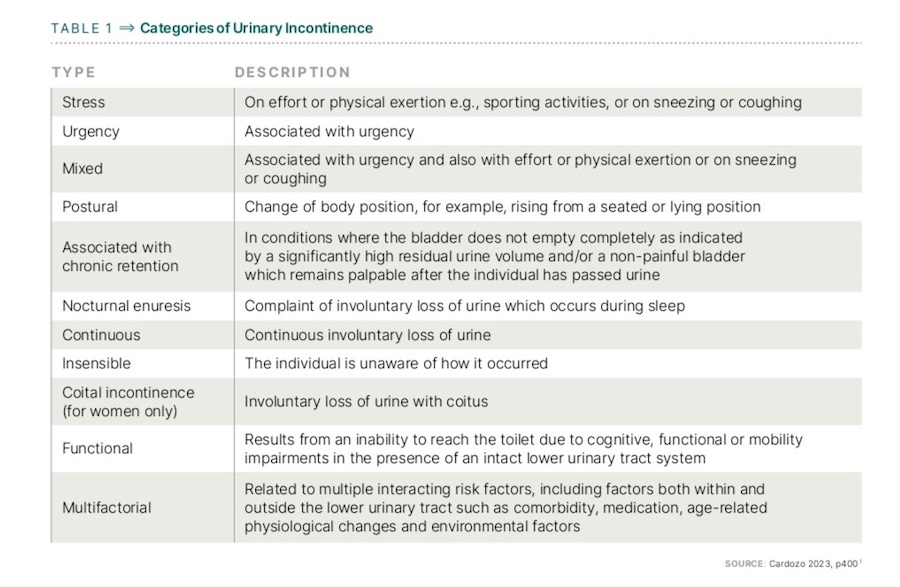
The report establishes that UI is a deeply nuanced clinical reality. It primarily manifests in three main forms—urge, stress, and mixed incontinence—each driven by distinct physiological mechanisms. Other variations, such as functional incontinence caused by cognitive or physical mobility impairments, further highlight that UI is not a single, uniform issue but an intricately layered medical challenge.

Urinary incontinence has a major impact on society

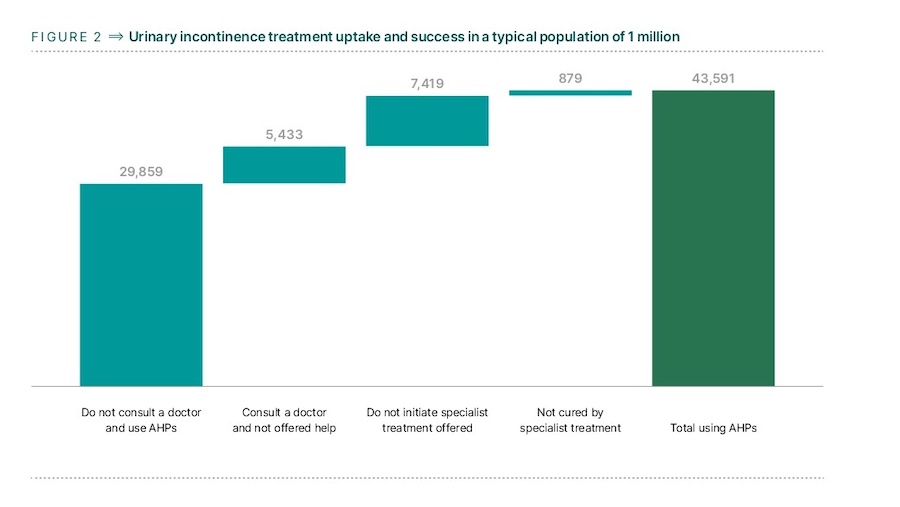
Driven by global aging trends, rising obesity rates, and the expansion of chronic diseases, the global footprint of UI is growing rapidly. Beyond the estimated 465 million adults currently affected worldwide, the macro-economic burden is staggering. Unmanaged UI accounts for billions in direct healthcare costs and tens of billions in indirect costs, creating massive financial strains due to reduced workplace employment, elevated absenteeism, and heavy institutionalization burdens.

People with urinary incontinence manage their condition in a variety of ways

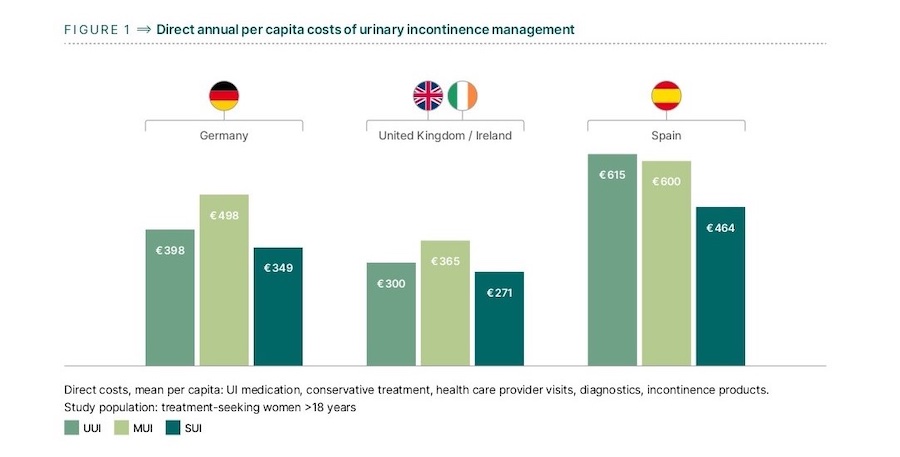
A clear majority of individuals manage UI privately due to lingering social stigma, with up to 80% navigating symptoms without ever consulting a clinician. For those who do seek formal primary care, assistance is not always guaranteed. Clinical pathways dictate a stepwise management sequence—ranging from lifestyle adaptations to specialized surgeries—but for the millions who cannot be fully cured, daily containment remains the primary solution.
© 2026 Edana
© 2026 Edana


Absorbent hygiene products have a significant part to play in managing urinary incontinence

AHPs are heavily proven, effective tools that directly elevate health-related quality of life and preserve user dignity. These purpose-made products are regulated medical devices engineered to the highest performance standards specifically to handle urine loss. Clinical evidence demonstrates that the utilization of high-quality bodyworn AHPs drastically reduces caregiver laundering demands, supports professional workforce participation, and cuts the risk of secondary medical complications like pressure ulcers by up to 67%.

Absorbent hygiene products are a worthwhile expenditure for the public payer

By keeping individuals socially and economically active while preventing severe skin breakdowns or unnecessary hospitalizations, disposable AHPs deliver exceptional socio-economic returns. Public healthcare systems across nations like the UK, the Netherlands, and Australia actively endorse this value by integrating these essential containment products into official public reimbursement and payment schemes.
© 2026 Edana
© 2026 Edana


Industry initiatives are reducing the environmental impact of absorbent hygiene products

The report highlights ongoing sector-wide efforts to lower the ecological footprint of these vital solutions. Through continuous material science innovation and cradle-to-grave Life-Cycle Assessments (LCAs), products have become lighter and down-gauged via advanced superabsorbent polymers (SAP), optimizing resource efficiency while strictly maintaining skin safety. Concurrently, various exploratory initiatives are evaluating mechanical separation, chemical recycling, and anaerobic fermentation pilots to help advance scale-level circular economy solutions for the end-of-life stage.

Discover the full report here:
https://www.edana.org/hubfs/Docs/default-source/absorbent-hygiene-products/EDANA_Continence_Report.pdf?hsLang=en


More News from EDANA

#Nonwovens

25 years in the room: EDANA’s OUTLOOK™ returns to Cascais to shape a changing industry

The market does not wait, and it does not grant easy answers. Across the absorbent hygiene, personal care, and wipes sectors, business is undergoing a period of intense, necessary adjustment. New European rules on packaging, single-use items, product safety, and end-of-life are forcing companies to drop old assumptions about materials and performance. At the same time, producers must keep their goods safe, reliable, and affordable for the babies and aging adults, who rely on them every day.

#Technical Textiles

FILTREX™ India 2026 to bring global filtration leaders together in New Delhi

EDANA, the voice of nonwovens, in partnership with the Business Coordination House (BCH), will welcome filtration professionals from across the world to FILTREX™ India 2026, taking place on 7–8 October 2026 at the Eros Hotel, New Delhi.

#Associations

Sustainability: European industry calls on EU to keep Single-Use Plastics Directive unchanged

A broad coalition of European industry associations, including EDANA, Euratex and Plastics Europe, has urged EU institutions to maintain the current legal framework of the Single-Use Plastics Directive (SUPD). In a joint statement, the organisations argue that reopening the Directive at this stage would create legal uncertainty, increase regulatory complexity and undermine investment, while its implementation across the European Union is still incomplete.

#Nonwovens

EDANA announces five new board members following 2026 Annual General Meeting

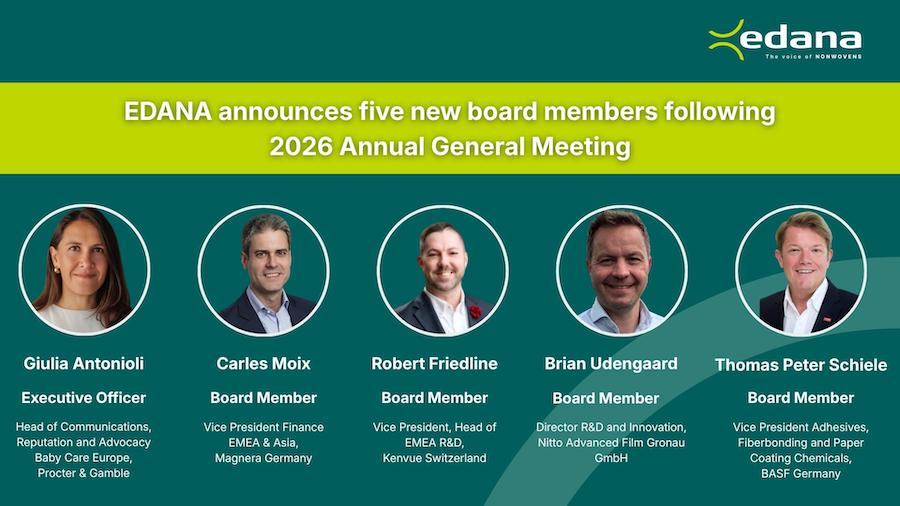
The EDANA Board of Governors is elected or re-elected at the Annual General Meeting by the member companies. The Governors are senior executives (business leaders) from member companies, based in different countries and representing different sectors of the nonwovens industry. The Board has central responsibility for guiding EDANA's overall strategy and approving its policies and priorities. It meets three times a year.

More News on Nonwovens

#ITMA Asia + CITME 2026

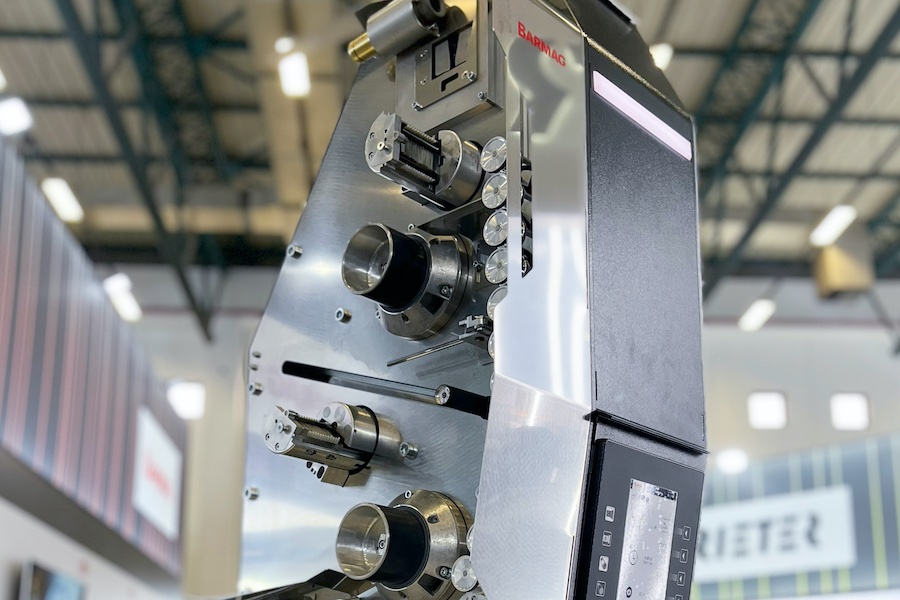
ITMA Asia 2026: How Barmag is reshaping the future of man-made fiber production

The textile industry is entering a groundbreaking era. Manufacturers face rising energy prices, growing sustainability demands, increasing labor shortages, and an unprecedented need for flexibility. For a globally active textile industry, where competitiveness is closely linked to production efficiency and cost leadership, this means that technology is no longer merely a means of improving operational processes – it is increasingly becoming a strategic differentiator.

#Nonwovens

From convenience to compliance: How regulations are reshaping consumer wipes

Regulatory developments are becoming an increasingly important driver of wipes innovation. At OUTLOOK™ 2026, Elisabeth Swennenhuis, Product Line Manager, Consumer Wipes at Magnera, will discuss how regulations such as the Single-Use Plastics Directive (SUPD), Extended Producer Responsibility (EPR) schemes, environmental claims legislation, and emerging circular economy policies are influencing product development and shaping the future of the wipes market.

#CINTE Techtextil China 2026

Cinte Techtextil China 2026 has opened today, bringing global innovations and resources to Shanghai

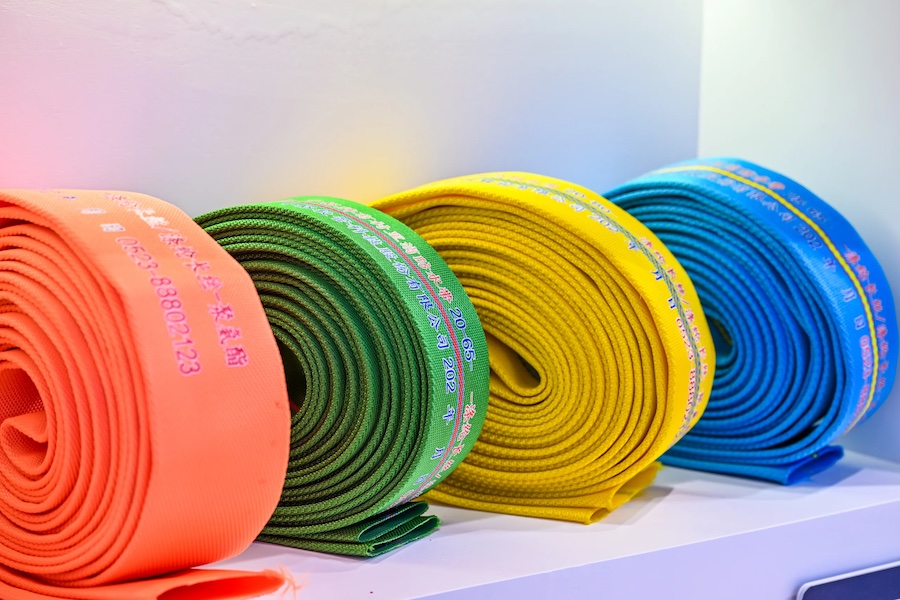
As Asia’s premier platform catering to the evolving needs in technical textiles and nonwovens, Cinte Techtextil China has opened today at the Shanghai New International Expo Centre, gathering over 300 exhibitors from 15 countries and regions. Across Halls W3 to W5, this edition will create chances for fast-growing sectors and emerging trends – such as Mobiltech, Medtech & Protech, Indutech and more. The curated zones, pavilions, and fringe programme are designed to better connect exhibitors with targeted buyers from across China, Asia-Pacific, and further afield. Meanwhile, the Association Village will gather international industry associations to foster even more global collaboration.

#Nonwovens

BASF opens global diaper and superabsorbents performance lab in Mumbai

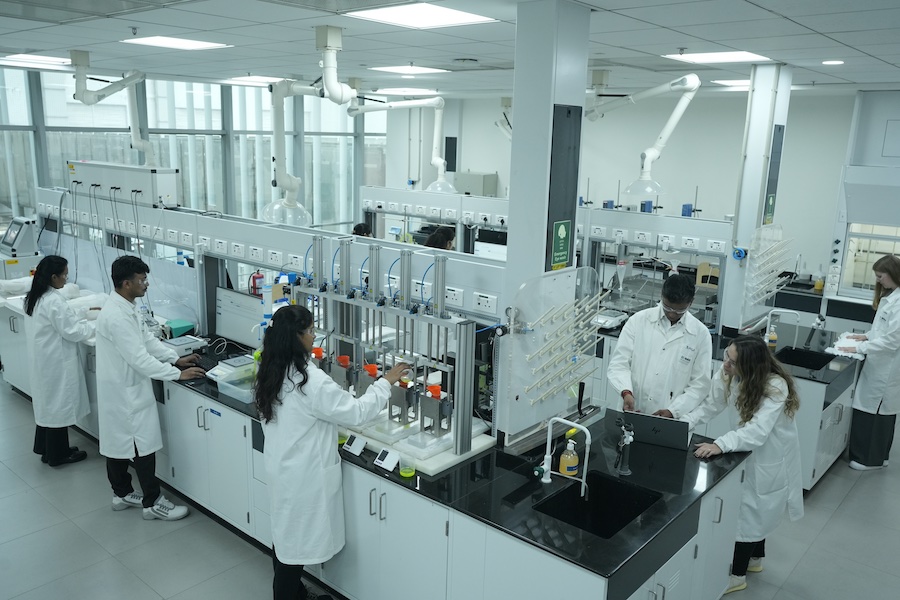
BASF has officially inaugurated its new Performance Lab for diapers and superabsorbents (SAP) in Mumbai on August 18, 2026, which will provide technical and application services to superabsorbent customers globally. The new lab of BASF’s Hygiene Solutions business has been established in less than a year and is part of BASF’s Innovation Campus Asia Pacific in Mumbai, BASF’s second largest R&D site in Asia Pacific established in 2017 under BASF Chemicals India Private Limited.

Latest News

TOP