[pageLogInLogOut]

#Nonwovens

VEOCEL™ Lyocell production expands to Asia – Launching a new chapter for nonwovens in the region
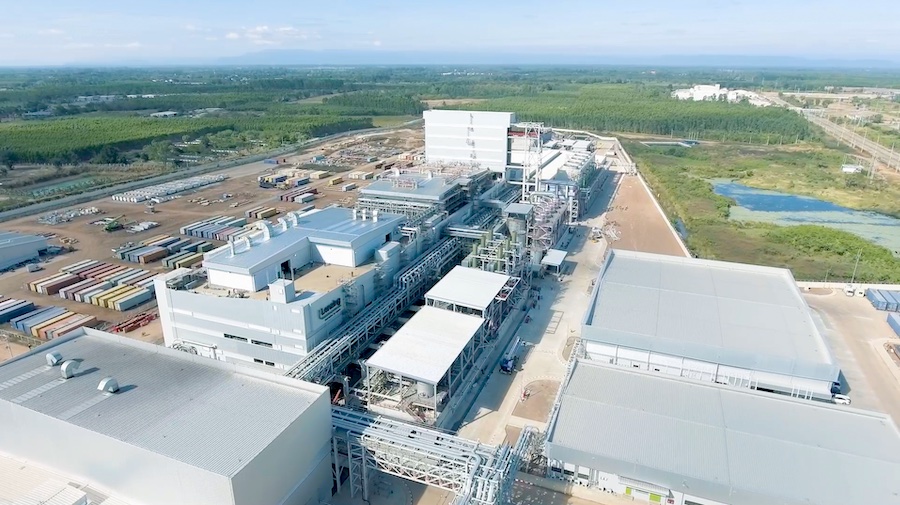
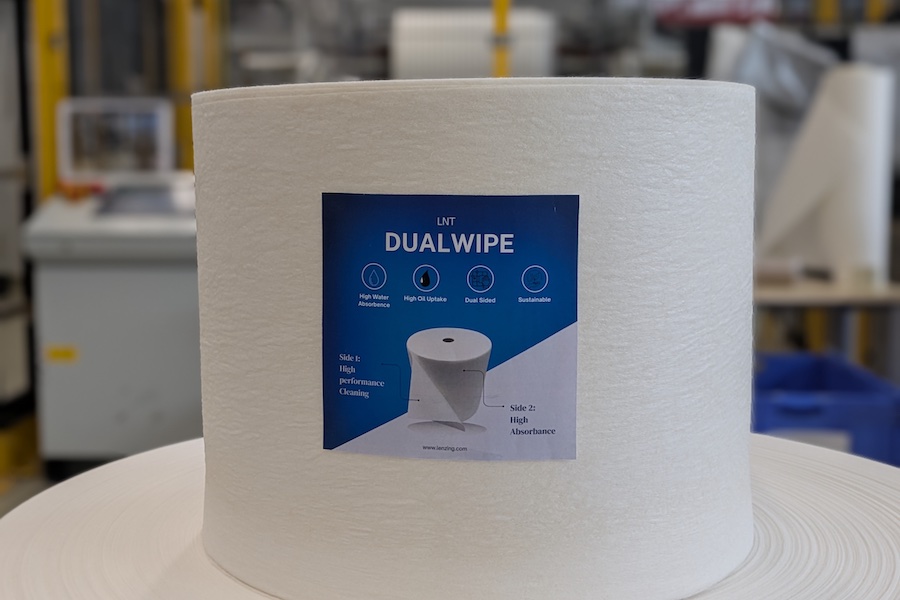
Lenzing’s Thailand production plant starts producing nonwoven-grade lyocell fibers, marking a significant milestone. Built to serve Asia from Asia, the site strengthens regional lyocell fiber supply and reduces the fiber’s transport-related environmental impact due to significantly shorter lead times © 2026 Lenzing
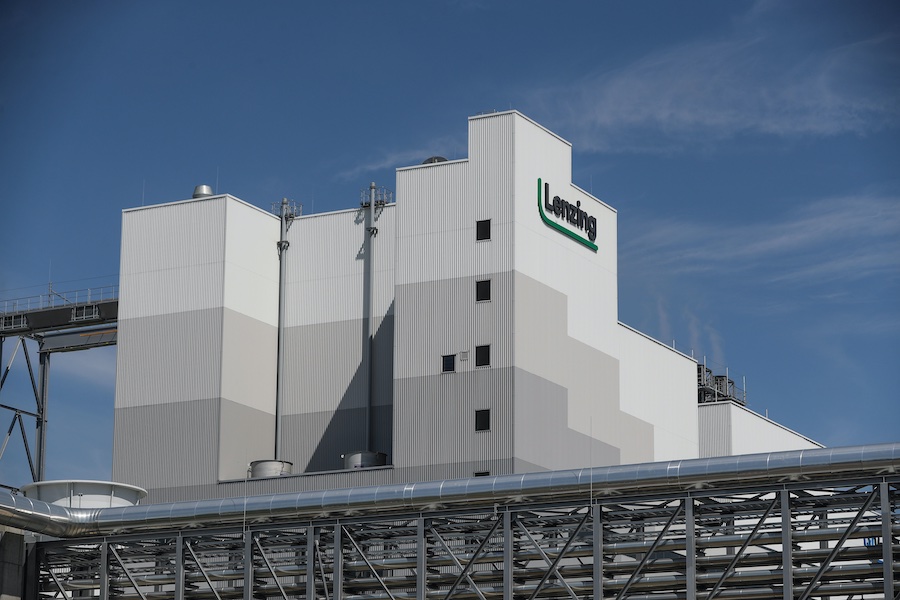
VEOCEL™, Lenzing's flagship specialty nonwovens brand, expands production at its Thai plant in Prachinburi. This is the first-ever production of its nonwoven-grade lyocell fibers in Asia. Built in 2022 with a 100,000-ton annual production capacity, the facility - previously focused on fibers for textile applications - now can directly meet the demand for VEOCEL™’s biodegradable¹, wood-based lyocell fibers for nonwovens products. These fibers are an essential ingredient for high-quality nonwovens products, ranging from baby wipes to facial sheet masks and everyday personal hygiene items.

Serving Asia from Asia

For more than 25 years, Lenzing has led the way in lyocell fiber production, driving sustainability, pioneering innovation, and setting new standards in cellulosic fibers. This expansion brings those fibers closer to nonwovens customers and value-chain partners across Asia, improving access and reinforcing VEOCEL™’s commitment to the region. With production in Thailand, manufacturers and brand partners can now count on greater supply chain stability with significantly shorter lead times.

Localized production also means fewer miles traveled. Sourcing these fibers directly within Asia, rather than from Lenzing’s other lyocell facility in Austria, reduces the need for intercontinental imports. This significantly contributes to reducing transport-related emissions, supporting the environmental commitments of both Lenzing and its partners in Asia.

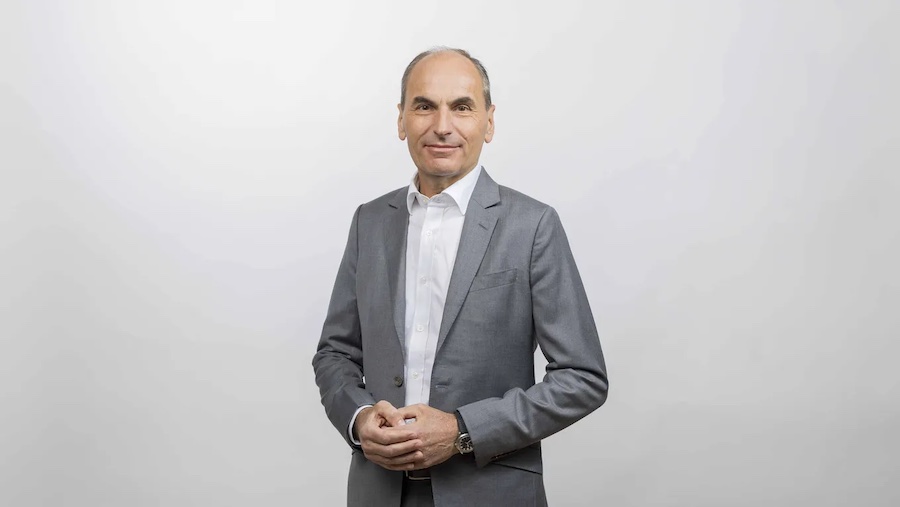
“This expansion is a landmark achievement for the VEOCEL™ brand and the broader nonwovens industry in Asia,” said Patricia A. Sargeant, Executive Vice President Nonwovens at Lenzing AG speaking at the launch ceremony on 18th March in Prachinburi. “We are now ideally positioned to serve our valued customers with enhanced speed, stability, and sustainability². We deeply value the partnership we have built so far, yet there is more to come. We believe that true progress is only possible when we move forward together. By offering a robust local supply of biodegradable¹, wood-based lyocell fibers, we are empowering our partners in Asia to meet the consumer demand for environmentally responsible wipes and hygiene products, while significantly reducing the carbon footprint associated with global logistics.

 Patricia A. Sargeant © 2026 Lenzing
Patricia A. Sargeant © 2026 Lenzing


Building on a sustainable foundation

The Prachinburi plant itself exemplifies Lenzing’s commitment to responsible fiber manufacturing. Its production of VEOCEL™ Lyocell fibers utilizes a resource-efficient, closed-loop production process that results in low air and water emissions². The facility also drives Lenzing’s broader climate goals, targeting 95 percent biomass energy by 2027 and Scope 1 and 2 carbon neutrality by 2030³.

“Our site in Thailand was built with future growth and our ambitious climate goals in mind,” added Krishna Manda, Global Head of Sustainability for Lenzing Group. “Expanding the facility’s capabilities for VEOCEL™ fibers is a testament to our ongoing investments in sustainable innovation. Once fully commercialized, this capability will play a vital role in transitioning the regional nonwovens industry from fossil-based synthetics to biodegradable, cellulosic alternatives. We look forward to strengthening collaboration as we begin this new chapter together.”
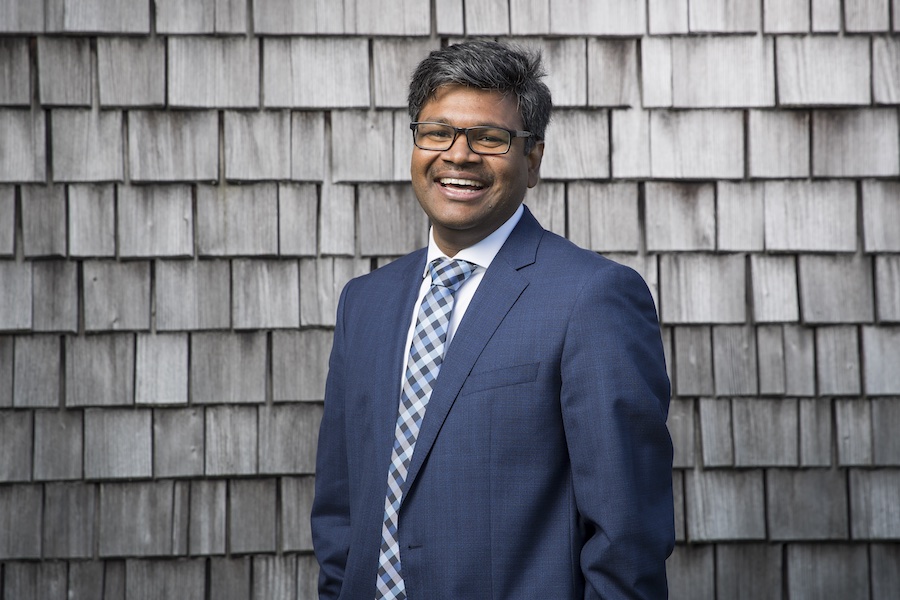
Krishna Manda © 2026 Lenzing


The plant uses optimized processes to guarantee the high performance, skin comfort, and sustainability benefits VEOCEL™ is known for. By aligning local supply with global environmental standards, Lenzing is advancing an eco-conscious supply chain and reinforcing its leadership in environmentally responsible fibers.
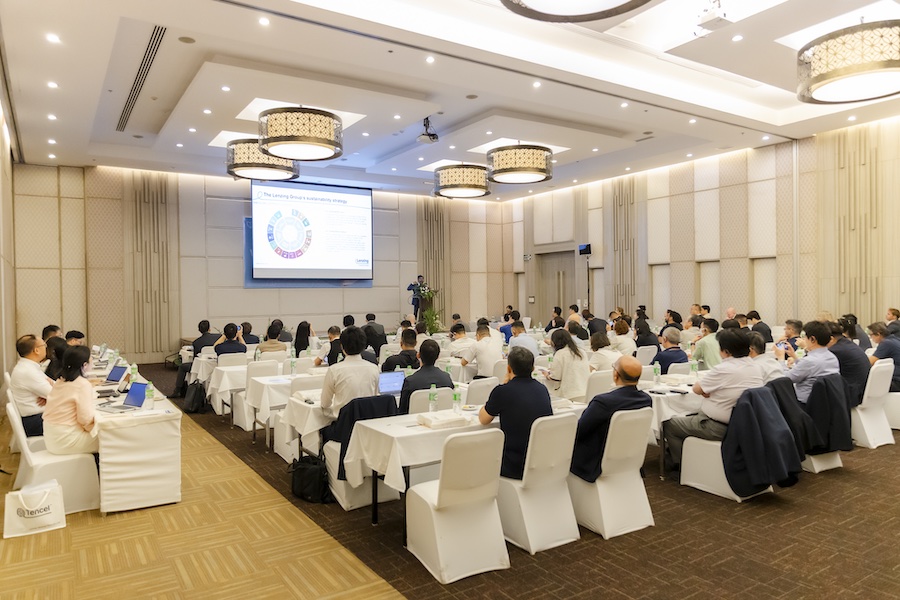
Customer event  © 2026 Lenzing
Customer event © 2026 Lenzing


¹ A range of LENZING™ Lyocell fibers for nonwoven applications are certified by TÜV AUSTRIA to be biodegradable in soil, freshwater and marine conditions and compostable under home and industrial conditions.

² VEOCEL™ Lyocell fibers have gained a commendable reputation for their environmentally responsible, closed loop production process, which transforms wood pulp into cellulosic fibers using a highly resource-efficient process with low ecological impact. Within this solvent-spinning process, the process water is recycled, and the solvent can be recovered up to 99.8 percent and reused. 

³ Please refer to Lenzing Annual and Sustainability Report 2025.


More News from Lenzing

#Denim

TENCEL™ Lyocell - HV100 achieves global denim availability in six months; Vol. 2 debuts at Kingpins Amsterdam

When TENCEL™ Lyocell - HV100 debuted at last year’s Kingpins Amsterdam in October, 17 mill partners across five countries presented fabrics featuring the new fiber. Just six months on, participation has more than doubled, evolving into a global network that spans nine countries and four continents, signaling both strong industry momentum and growing demand.

#Techtextil 2026

Lenzing unveils three-tier cellulosic fiber portfolio for next generation protective wear

The Lenzing Group, a leading supplier of regenerated cellulosic fibers for the textile and nonwovens industries, today introduces Lenzing Solutions for Protective Wear. This integrated three-tier portfolio is anchored by LENZING™ FR fibers at the highest protection tier for inherent flame resistance and brings together complementary solutions including TENCEL™ Lyocell fibers, both EU Ecolabel-certified² and derived from certified or controlled wood sources³, within a unified protective wear architecture for the first time. The launch marks the most significant expansion of Lenzing’s protective wear business since the company pioneered inherently flame-resistant cellulosic fiber in 1977, and comes as the global personal protective equipment (PPE) market accelerates toward an estimated USD 130 billion by 2033⁴.

#Man-Made Fibers

Lenzing commissions 14 MW power‑to‑heat facility, strengthening grid stability and heat management

The Lenzing Group has successfully commissioned a new power‑to‑heat (P2H) facility with an electrical capacity of 14 megawatts. The installation converts renewable electricity directly into process heat, is fully integrated into the existing heat network at the industrial site, and represents a key building block for a fossil‑free heat supply. As project partner, VERBUND was responsible for the energy‑market integration and will operate the facility for balancing energy marketing, enabling it to respond flexibly to short‑term fluctuations in the power grid.

#Man-Made Fibers

Lenzing advances its transformation: Higher EBITDA, stronger free cash flow and more than EUR 200 million in cost savings

The business performance of the Lenzing Group in 2025 was affected particularly in the second half of the year by external factors such as international tariff measures, subdued demand and declining market prices. As a result, revenue decreased slightly by 2.3 percent to EUR 2.6 billion, primarily due to lower fiber sales volumes and lower prices for fibers and pulp, which were further negatively impacted by currency developments. Nevertheless, thanks to the comprehensive Performance Program, Lenzing was able to improve its operating performance and key financial indicators compared with the previous year.

More News on Nonwovens

#INDEX 2026

“We clearly see that reliability, flexibility, service and total cost of ownership are becoming increasingly important again.”

The nonwovens industry continues to face a challenging market environment. Nevertheless, AUTEFA Solutions reports successful projects, new line sales and growing demand for energy-efficient and flexible solutions. In this interview, André Imhof of AUTEFA Solutions talks about competitiveness against Chinese suppliers, new service and recycling concepts, the growing importance of application development and the opportunities created by countercyclical investments.

#INDEX 2026

“Needle punching technology is more universal and sustainable than ever!”

Needle punching technology was long regarded as a rather traditional and comparatively slow technology within the nonwovens industry. In this interview, Johann Philipp Dilo explains why needle punching is more relevant than ever today – ranging from energy efficiency and resource conservation to hygiene applications, new machine concepts and design-oriented nonwoven solutions.

#Nonwovens

PET spunbond from China – EDANA welcomes imposition of provisional anti-dumping measures

On 13 May 2026, after eight months of investigation, the European Commission imposed provisional anti-dumping duties of 45.6-50.0% on imports of PET spunbond from China. EDANA welcomes this expression of the Commission’s clear determination to protect EU industries from the unfair trade practices of Chinese producers.

Latest News

#Research & Development

Textile climate control system in workwear – exhibition at the 2026 SME Innovation Day!

Conventional protective workwear often reaches its limits during strenuous physical activity. In particular, the transport of sweat and excess body heat poses a problem. The German Institutes of Textile and Fiber Research (DITF) conducted research on flow-optimized, air-conducting textile structures that enable targeted climate control directly on the body. These structures can be integrated straight into protective work garments. The textile climate control system supports the body’s natural thermoregulation. This contributes to improved workplace safety and comfort.

#INDEX 2026

ANDRITZ at INDEX ’26: Driving sustainability with next-generation nonwoven technologies

From May 19-22, ANDRITZ Nonwoven & Textile is presenting its innovative solutions for the nonwoven & textile industry in Geneva, Switzerland. ANDRITZ will focus on technologies for sustainable and durable nonwovens, converting, sustainable fiber processes, textile recycling, and life-cycle services on booth 2114 in hall 02.

#INDEX 2026

INDEX™26: World’s leading nonwovens exhibition presents groundbreaking product launches, exclusive seminars and immersive experiences

From 19 to 22 May 2026, 620 exhibitors from 44 countries will gather in Geneva at Palexpo for INDEX™26. The exhibition aims to demonstrate how the future of technical materials will increasingly be shaped by collaborative supply chains and integrated innovation across the nonwovens industry. This year’s edition focuses not only on individual technological advances, but also on how cooperation throughout the value chain can enhance the performance, sustainability and value of nonwoven solutions.

#INDEX 2026

The LYCRA Company launches LYCRA® ADAPTIV fiber for nonwovens, advancing comfort and fit in disposable hygiene at INDEX™ 26

The LYCRA Company, a leader in innovative and sustainable fibers for apparel and personal care, today announced the official global launch of LYCRA® ADAPTIV fiber for nonwovens at INDEX™ 26, in Geneva, Switzerland, May 19–22. This breakthrough stretch fiber, already trusted by leading global apparel brands, now ushers in a new era of comfort, fit, and performance for baby diapers, disposable hygiene products, adult incontinence, and feminine care.

TOP