[pageLogInLogOut]

#Man-Made Fibers

Grasim Industries announces fresh investment of ₹3094 Crore to expand Lyocell capacity

Post expansion, total cellulosic staple fibre (CSF) capacity would surpass 1 million tonnes annually by 2030

Grasim Industries Limited, the flagship company of the Aditya Birla Group and a global leader in cellulosic fibres, today announced an investment of ₹3,094 crore, for Phase II Lyocell capacity of 110K TPA at Harihar, Karnataka. This expansion will consist of 2 lines of 55K TPA (150 Tons per day) each. The first line is expected to be commissioned by 2028, and the second line is expected to be commissioned by 2030.

This additional capacity will complement the Phase I Lyocell plant of 55K TPA currently under construction at Harihar, which is expected to be commissioned by mid-2027. Upon completion, Grasim’s total Lyocell capacity, will reach nearly 210K TPA, making it one of the largest Lyocell producers globally.

Mr. Kumar Mangalam Birla, Chairman, Aditya Birla Group, said, “The Aditya Birla Group has always demonstrated the willingness to invest ahead of the curve in sectors that will define India’s future competitiveness and economic resilience. This investment carries forward that legacy. It is a vote of confidence in the scale and promise of the Indian market, aligns closely with the aspirations of Make in India, and will help position India as a more competitive and resilient force in the global textile industry.” He added, “This investment also marks another significant step in Grasim’s strategic expansion of advanced fibre capabilities, catering to the growing global demand for sustainable and high-performance textile materials. This fresh expansion will catapult Grasim’s overall Cellulosic Fibres capacity beyond 1 million tonnes per annum, reinforcing its position as a global leader in sustainable Man-Made Cellulosic Fibres (MMCF).”

Mr Vadiraj Kulkarni, Business Head, Grasim Pulp & Fibre added, “This expansion strengthens our position in the evolving MMCF landscape by scaling a high-value, future-ready fibre segment. By expanding Lyocell capacity, we are accelerating the shift towards high performance fibres with a lower environmental impact. Lyocell enhances our product mix, supports premium applications, and aligns with our focus on delivering differentiated, sustainable solutions to global markets.”

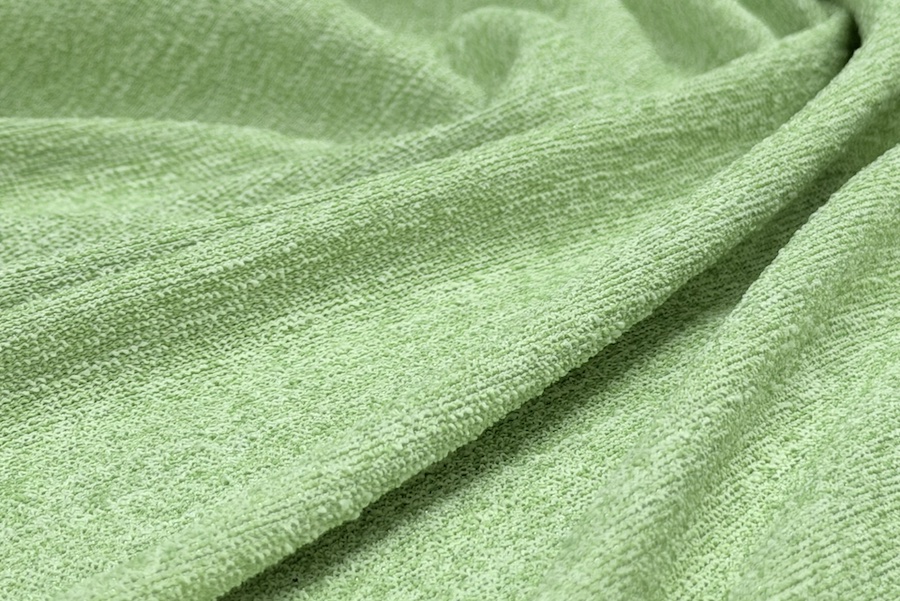
Lyocell is a versatile, next-generation fibre widely used across apparel, home textiles, and technical textile applications. Manufactured through a highly efficient closed-loop process, Lyocell offers a compelling combination of durability, breathability, comfort, and lower environmental impact. The expansion would strengthen the Company’s Specialty product portfolio and solidify its position as a key player in the global sustainable fibre industry. Grasim’s Specialty portfolio share (including Lyocell, Modal, Dope-dyed and Recycled fibres) would increase to 35% by 2030.

More News from Aditya Birla Group

More News on Man-Made Fibers

#Man-Made Fibers

North and Central American yarn producers launch YarnProof™ for supply chain traceability

The new industry initiative uses FibreTrace® technology to physically verify the origin of polyester filament yarn, supporting compliance with regional trade agreements and strengthening transparency across textile supply chains.

#Recycled Fibers

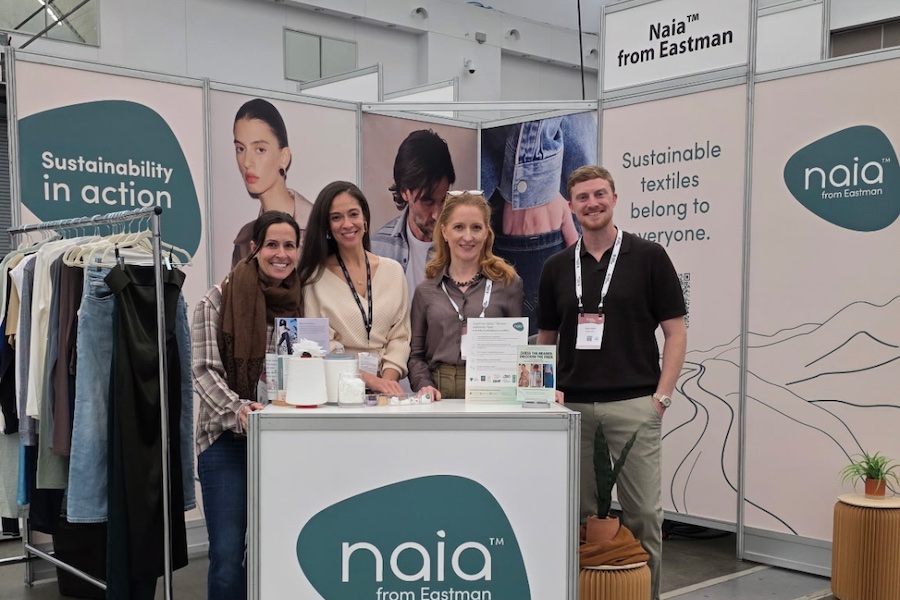
Eastman Naia™ highlights circularity and responsible sourcing at Textile Exchange 2026

Scaling sustainable practices across businesses, supply chains and landscapes is one of the defining challenges facing the textile industry. At the 2026 Textile Exchange Conference, held October 12–16 in Vancouver under the theme “The Implementation Era,” Eastman Naia™ showcased how its commitments to circularity, responsible sourcing and forest conservation translate into practical action.

#Man-Made Fibers

ADVANSA's ALLERBAN®+ receives Allergy UK Seal of Approval

The biocide-free fibre technology ALLERBAN®+ has received the Allergy UK Seal of Approval, adding to the existing recognition of ADVANSA's ALLERBAN® technology for dust mite allergen protection.

#Recycled Fibers

Toray develops Polyester-Nylon fiber containing at least 93% recycled material by mass

Toray Industries, Inc., announced today that it has developed a polyester-nylon fiber with at least 93% recycled content by mass, based on the total weight of the raw yarn. This percentage applies to the newly developed raw yarn and does not represent the recycled content of the finished fabric or garment.

Latest News

#ITMA Asia + CITME 2026

KARL MAYER expands TM WEFT capabilities for fashion fabrics at ITMA ASIA 2026

A new E 36 gauge, an EL pattern drive and improved yarn tension regulation extend the application possibilities of KARL MAYER's TM WEFT warp knitting machine. At ITMA ASIA 2026, the company will demonstrate the developments alongside a collection of woven-like warp knitted fabrics for fashion and apparel.

#Recycling / Circular Economy

Textiles Recycling Expo USA 2027 opens registration and expands with manufacturing exhibition

The second edition of Textiles Recycling Expo USA will take place on 7–8 April 2027 in Charlotte, North Carolina. Following a debut that attracted more than 1,800 visitors and 95 exhibitors, the event will expand its exhibition and conference programme and will be held alongside the new Textiles Manufacturing Expo.

#Research & Development

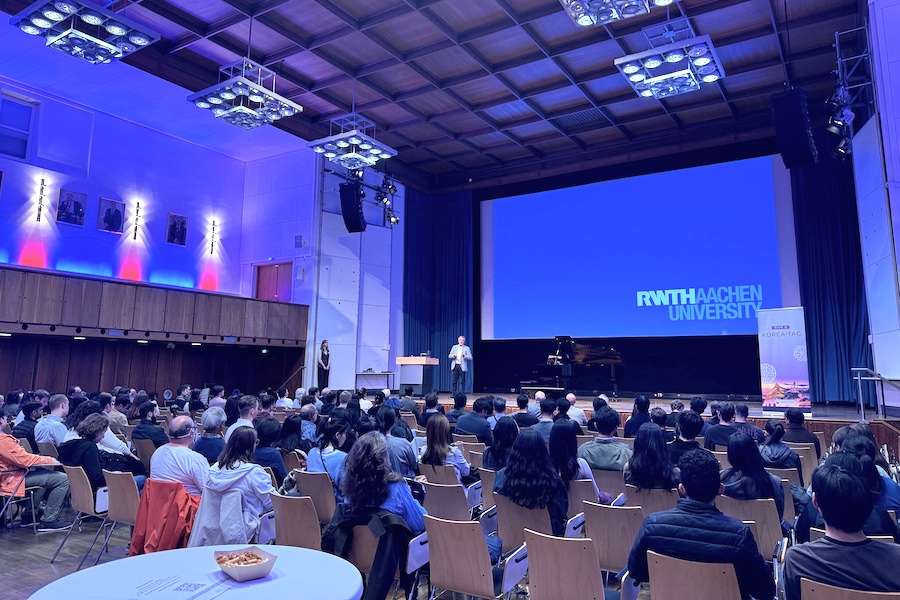
First "Korea Day" at RWTH Aachen attracts more than 300 participants

The inaugural Korea Day in Aachen brought together representatives from science, business and Korean institutions to strengthen German-Korean cooperation in research, technology and education. The Institut für Textiltechnik (ITA) of RWTH Aachen University was among the participating organisations.

#Textiles & Apparel / Garment

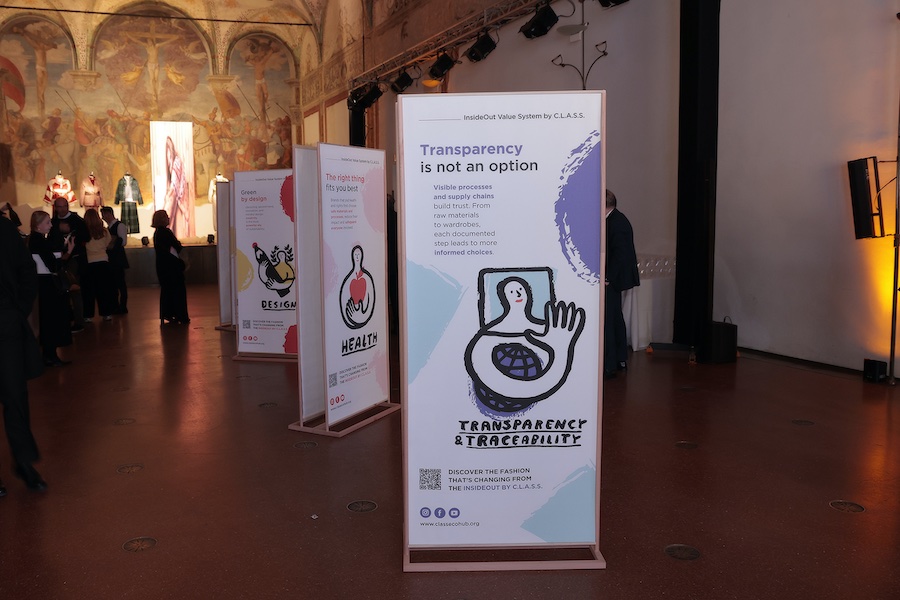
MarediModa highlights transparency and traceability with InsideOut by C.L.A.S.S.

The InsideOut by C.L.A.S.S. exhibition at MarediModa 2026 in Cannes focused on transparency, traceability and the measurable values behind fashion products. Its Decalogue of Values aims to make environmental, social and production-related information more accessible throughout the textile supply chain.

TOP