[pageLogInLogOut]

#Digital Printing

DTF vs DTG Printing - The technologies shaping today’s custom merchandise market
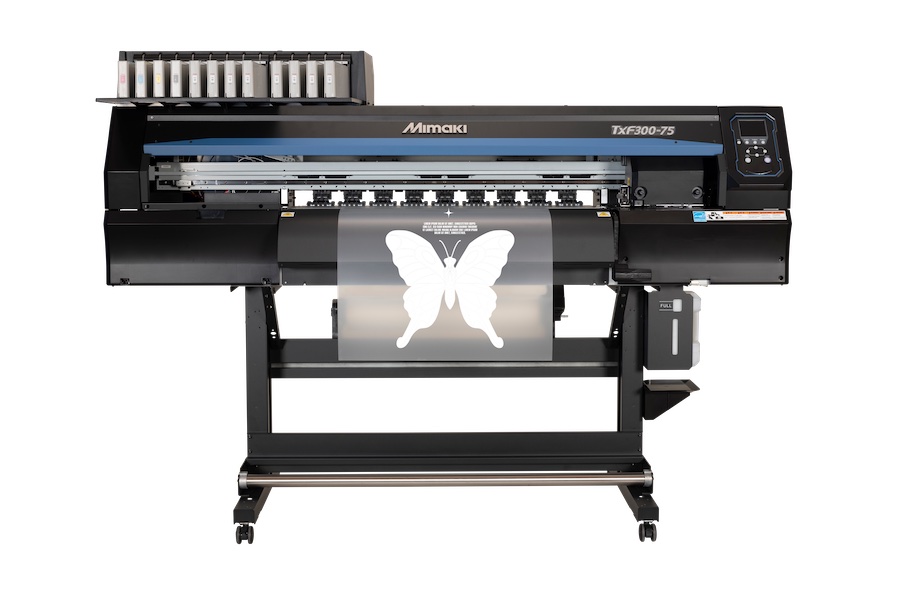
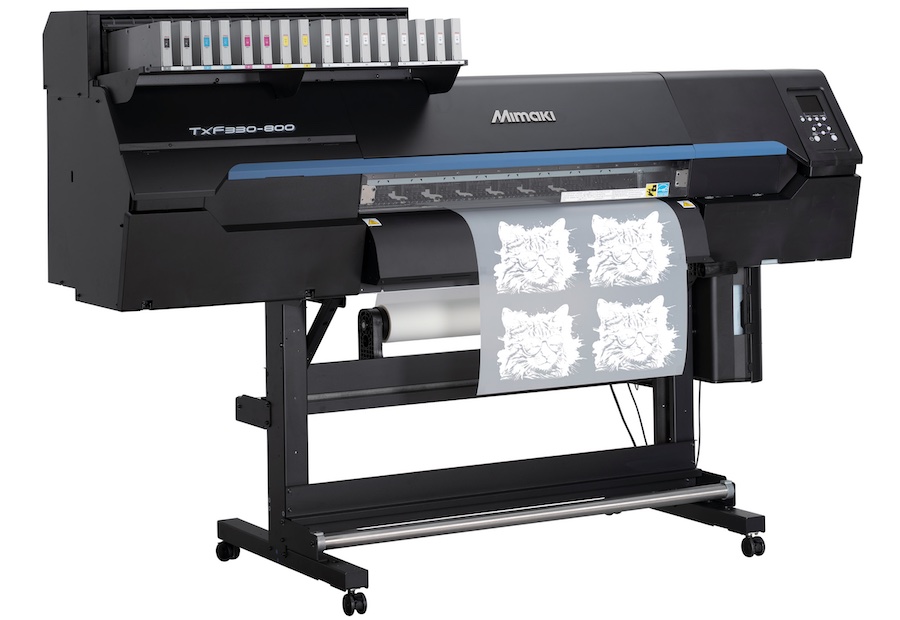
Mimaki’s DTF flagship, the TxF Series, delivers stable performance across a broad range of applications, as well as precision reproduction of fine lines and smooth gradations supporting sharp details, consistent white opacity and reliable transfer quality. © 2026 Mimaki
From sportswear to branded tote bags, custom merchandise continues to grow in popularity across sectors, driving print shops to cater to short runs, personalisation, and rapid turnaround. As print providers look to this market, two printing technologies often stand out: Direct‑to‑Film (DTF) and Direct‑to‑Garment (DTG). Each offers its own benefits, and understanding these differences helps determine the most suitable production method for print service providers.


What is DTF Printing?

DTF (Direct‑to‑Film) printing is a relatively new printing process, tailored to the fast-moving promotional merchandising market. The process includes printing a design onto a specialist film followed by a hot‑melt adhesive powder being applied. The printed film is then passed through a dryer unit, drying the ink and smoothing the powder layer. This direct-to-transfer sheet can then be applied onto almost any fabric, such as cotton, polyester and leather, using a heat press.

What is DTG Printing?

DTG (Direct‑to‑Garment) is a more traditional process, where the material is pre-treated before being printed directly onto and then cured. Due to the direct-to-garment technique, this technology is best suited for natural fabrics such as cotton and linen, while some blended fabrics can also be used with varying results. The resulting product is more breathable and softer when compared to more textured DTF prints.

To DTF or to DTG?

While both printers are well suited for merchandise and custom apparel production, there are key differences when it comes to the workflow and end-product. DTF printing offers broader flexibility, with more applications available thanks to its ability to be applied to any fabric via the transfer sheet. This can easily be produced and stored ahead of time, before the garment even arrives at the printshop. The manual heat-press application also means that the prints can be applied to hard-to-reach areas, instead of being restricted to flat and accessible surfaces.

On the other hand, DTG is more adept at producing intricate details and subtle gradients in its prints. Since it is applied directly onto the fabric, the resulting print is more breathable and washable compared to DTF prints, which sit on top of the fabric. Sustainability depends on the workflow, DTG typically uses water-based inks but may require pre-treatment and washing, while DTF eliminates water usage but introduces consumables such as film and adhesive powder.

Lastly, when it comes to production processes, there is a notable difference between the two technologies. DTF only requires a two-step printing process with the DTF printer and a heat press, meanwhile DTG requires multiple steps, including pre-treatment so that the ink can adhere to the fabric, printing and curing. Due to this more time-consuming DTG process, DTF printing is more adept at bulk orders as can operate easily without constant supervision, while DTG printing is better at producing a few custom products on demand. This also means that DTF operates much better in smaller print shops, as the entire process requires less space compared to the DTG workflow.

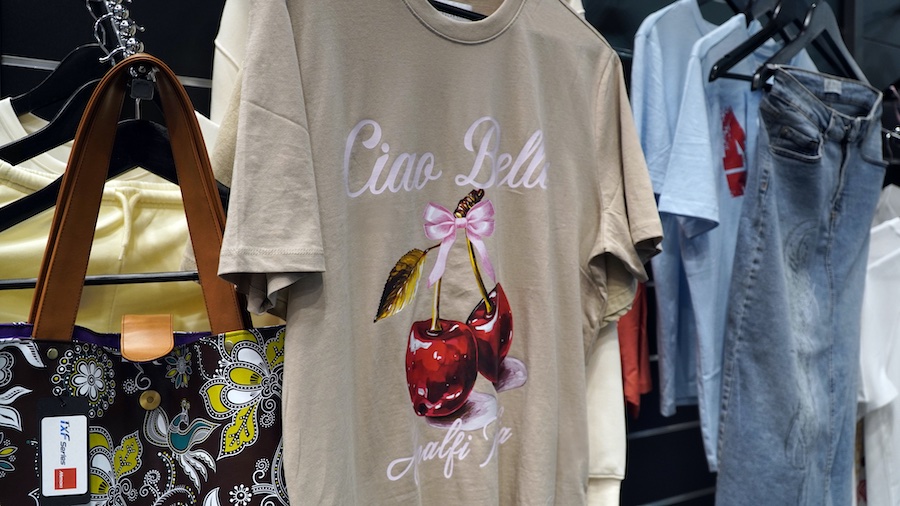
DTF printing offers broad application flexibility, thanks to its ability to be applied to any fabric, leather and synthetic leather via a transfer sheet. © 2026 Mimaki


Why DTF Is Gaining Momentum

In recent years DTF has seen rapid adoption across the merchandise and promotional sectors due to its versatility, production efficiency, and compatibility with a wide range of fabrics. The technology is constantly undergoing significant innovation, including emerging powderless DTF capabilities and automated heat-press systems, helping businesses streamline workflow and improve scalability to match demand.

Mimaki’s launch of its pioneering DTF technology in 2023 with the TxF150-75 marked a significant step in bringing reliable and colour accurate print capabilities to the market, addressing key challenges such as colour consistency, white ink reliability and production stability that had previously limited wider DTF adoption. Developed alongside Mimaki’s PHT50 ink set, the TxF Series is designed to deliver stable performance across a broad range of professional DTF films, including hot-peel, cold-peel, matte and glossy types – helping reduce media-related instability while supporting sharp details, consistent white opacity and reliable transfer quality. This progress reflects the wider momentum behind DTF, a sector that continues to grow year on year, with strong sales across EMEA and a growing range of solutions entering the market – even extending beyond textile applications with UV-DTF technology.

Matching Technology to Market Demand

For print service providers, the decision between DTF and DTG comes down to the types of applications being produced, the desired finish and required production capacity. For example, while some printers prefer the softer hand feel of DTG prints, others utilise the textured finish achieved by DTF to produce faux embroidery effects, which saw a notable rise in popularity last year. An increasing number of print service providers are adopting hybrid workflows, combining DTF for versatility and scalability with DTG for premium, soft-touch applications, while some choose to focus on DTF for its broad application scope, efficient workflow and smaller footprint.

Ultimately, the choice between DTF and DTG is not about which technology is better, but which is better suited to a specific business model. As customer demand continues to evolve towards faster turnaround, greater personalisation and broader application possibilities, the most successful print providers will be those able to align technology with market needs or increasingly, leverage both.
More News from Mimaki Europe B.V.

#Digital Printing

Mimaki advances DTF productivity and stability with new TxF330-800

Mimaki Europe, a leading manufacturer of industrial inkjet printers and cutting plotters, announces the TxF330-800, its new direct-to-film (DTF) printer. Designed to support stable, high-quality garment decoration in demanding print environments, the system combines automated maintenance, expanded white ink capacity and advanced production capabilities to streamline workflow.

#Digital Printing

Where every detail counts: Experiential applications of DTF and UV-DTF printing

Personalisation has moved far beyond the traditional logo on a t-shirt. Today, brands want to create complete experiences, where every detail – from clothing and accessories to décor and packaging – feels distinctive and reflective of their identity.

#Digital Printing

Mimaki celebrates Triple EDP Award win at FESPA 2026

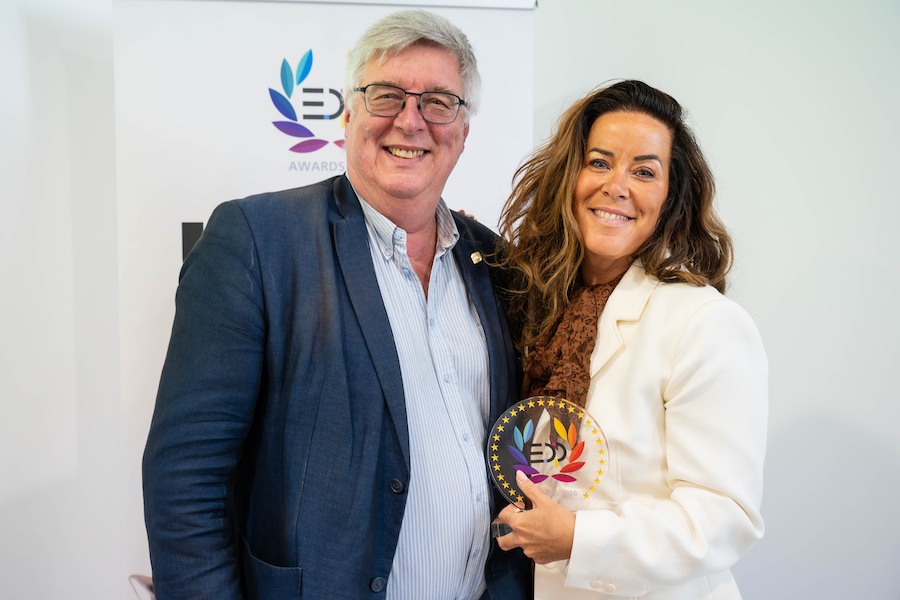
Mimaki Europe, a leading manufacturer of industrial inkjet printers and cutting plotters, was presented with 3 EDP Awards at the association’s 2026 ceremony, held at FESPA Global Print Expo. These highly acclaimed awards celebrate best-in-class innovation across the print industry, and Mimaki was honoured in three different categories.

#Digital Printing

Mimaki ‘Powers Possibilities’ with a market-diverse application and printer line-up at FESPA 2026

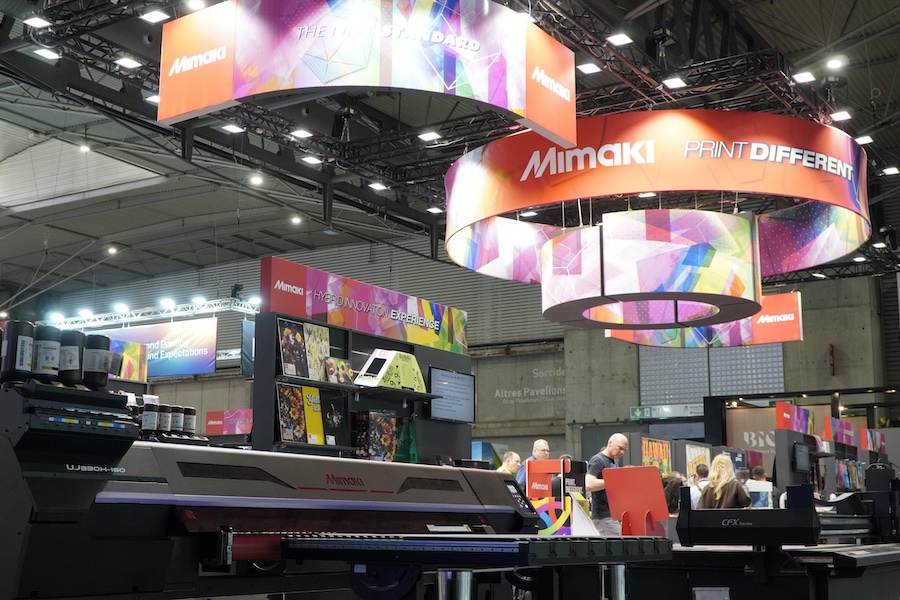
Mimaki Europe, a leading manufacturer of industrial inkjet printers and cutting plotters, is bringing its “Print Different - Powering Possibilities” theme to life at FESPA Global Print Expo 2026 (Fira de Barcelona, 19-22 May 2026), demonstrating how digital printing technology can turn ideas into high-value applications and new business opportunities.

More News on Digital Printing

#Digital Printing

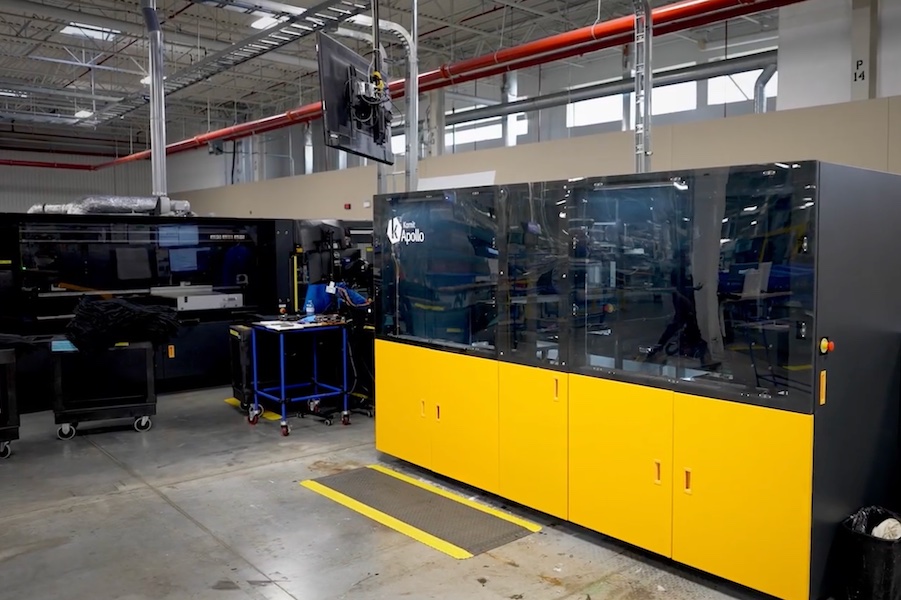
VistaPrint increases apparel production capacity with Kornit Apollo

Kornit Digital (NASDAQ: KRNT), a provider of on-demand digital textile production technologies, reports that VistaPrint has significantly increased its apparel production capacity through the implementation of the Kornit Apollo system. The installation has enabled the international print and design company to add approximately 25,000 units of weekly production capacity while improving production speed, operational efficiency and order turnaround times.

#Digital Printing

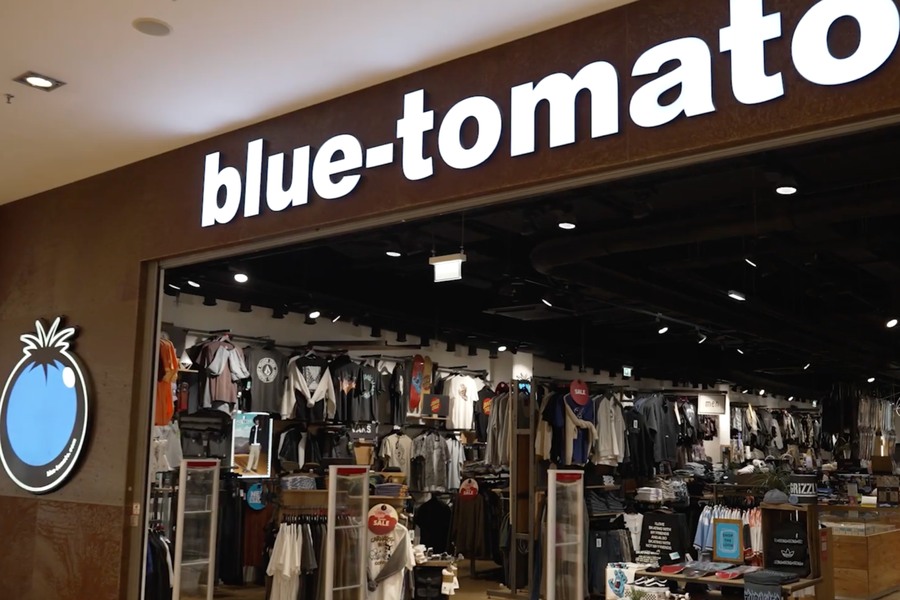
Blue Tomato accelerates agile retail apparel production with Kornit Digital

Kornit Digital (NASDAQ: KRNT), a global pioneer in on-demand digital fashion and textile production technologies, is highlighting how Blue Tomato, Europe’s largest board sports retailer, is using two Kornit Atlas MAX PLUS systems to support a more agile approach to in-house apparel production. The systems are helping Blue Tomato respond faster to changing consumer trends, produce high-quality apparel for its network of 86 retail stores across Europe and reduce inventory by printing only what the market demands.

#Digital Printing

Growth at the speed of demand: Kornit Digital brings digital textile innovation to PERFORMANCE DAYS 2026

Kornit Digital Ltd. (NASDAQ: KRNT) (“Kornit”), a global pioneer in on-demand digital fashion and textile production, will showcase the possibilities of digital, on-demand production at PERFORMANCE DAYS 2026, October 13–14 at Messe München, Hall 6, Booth E08.

#Digital Printing

Italian textile finishing specialist injects digital agility into luxury textile manufacturing with Kornit Digital

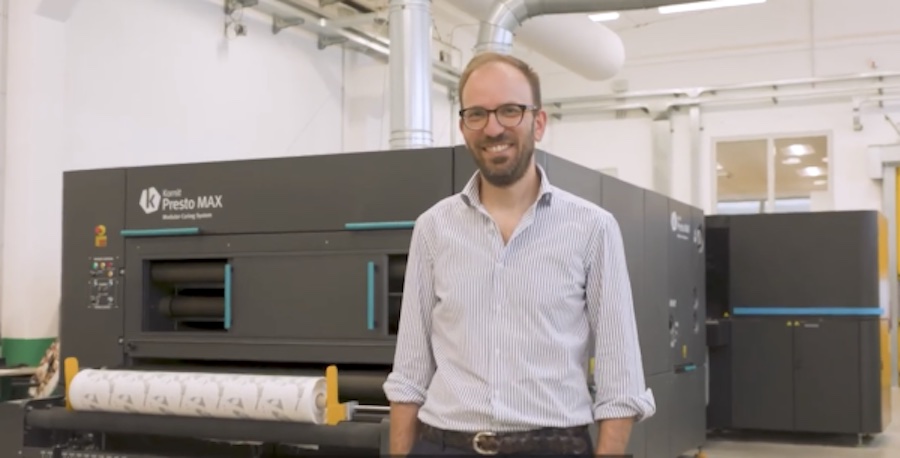
1st October 2026 – Kornit Digital, a global pioneer in sustainable, on-demand digital fashion and textile production technologies, shares the news that Tintoria Finissaggio 2000, one of Italy's leading textile dyeing and finishing specialists, has integrated the Kornit Presto MAX into its production environment to expand its premium textile offering to improve manufacturing efficiency and support growing demand for sustainable, agile fabric production.

Latest News

#ITMA Asia + CITME 2026

KARL MAYER expands TM WEFT capabilities for fashion fabrics at ITMA ASIA 2026

A new E 36 gauge, an EL pattern drive and improved yarn tension regulation extend the application possibilities of KARL MAYER's TM WEFT warp knitting machine. At ITMA ASIA 2026, the company will demonstrate the developments alongside a collection of woven-like warp knitted fabrics for fashion and apparel.

#Recycling / Circular Economy

Textiles Recycling Expo USA 2027 opens registration and expands with manufacturing exhibition

The second edition of Textiles Recycling Expo USA will take place on 7–8 April 2027 in Charlotte, North Carolina. Following a debut that attracted more than 1,800 visitors and 95 exhibitors, the event will expand its exhibition and conference programme and will be held alongside the new Textiles Manufacturing Expo.

#Research & Development

First "Korea Day" at RWTH Aachen attracts more than 300 participants

The inaugural Korea Day in Aachen brought together representatives from science, business and Korean institutions to strengthen German-Korean cooperation in research, technology and education. The Institut für Textiltechnik (ITA) of RWTH Aachen University was among the participating organisations.

#Textiles & Apparel / Garment

MarediModa highlights transparency and traceability with InsideOut by C.L.A.S.S.

The InsideOut by C.L.A.S.S. exhibition at MarediModa 2026 in Cannes focused on transparency, traceability and the measurable values behind fashion products. Its Decalogue of Values aims to make environmental, social and production-related information more accessible throughout the textile supply chain.

TOP