#Sustainability
Fashion for Good launches Project Footprints Unpacked to close environmental data gaps in the footwear industry
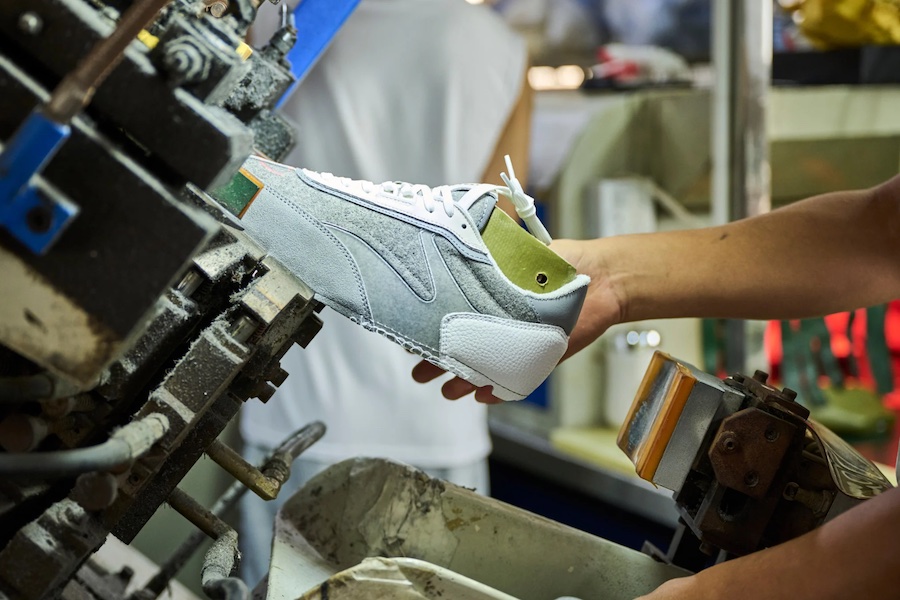
When a footwear brand sets out to calculate a product's carbon footprint or substantiate environmental claims, it often runs into the same obstacle: critical footwear-specific environmental data is limited, unavailable for some processes, or based on generic industry averages. While LCA databases already exist and provide a valuable starting point, data from the specific factories and processes used to make products remains limited – not for lack of will, but because granular manufacturing data is sporadically collected across the industry. Building it as a brand-agnostic resource creates a robust common foundation.
Addressing the gap in footwear-specific environmental data
The problem is compounded by a data gap: according to Fashion for Good, the EU’s official Environmental Footprint (EF 3.1) datasets used to calculate a product’s footprint expired at the end of 2025, creating temporary reliance on secondary bridging datasets in the meantime. A new EU database update (EF 4.0) is expected in 2028, but its focus is on broad, cross-sector datasets rather than footwear-specific processes.
Companies can still conduct credible, ISO-compliant LCAs today using commercially available databases and, where available, primary supplier data. What is still needed is up-to-date, representative datasets for footwear-specific processes, at a time when regulatory expectations around substantiating environmental claims with verifiable evidence continue to grow.
With more representative, process-level data, brands can independently pinpoint where in their supply chains the greatest environmental impact reductions are required and make strategic investments to achieve meaningful improvements. Furthermore, bridging this data gap is essential for feeding into future policy decisions, ensuring that upcoming regulatory frameworks are built on strong foundations.
Building a common data foundation for the footwear industry
To address this industry-wide challenge, Fashion for Good is launching Project Footprints Unpacked in partnership with Carbonfact, an environmental intelligence platform for the fashion industry that uses product LCAs as the basis for carbon accounting, reporting and decarbonisation, alongside a founding consortium of leading brands spanning performance and lifestyle footwear categories, including New Balance, On and two other brands.
The project has three goals:
- Bridge the gap in footwear-specific environmental data by systematically collecting primary data.
- Build footwear-specific, ISO 14040/44-compliant LCA datasets that the industry can rely on.
- Distribute the resulting datasets across major industry-recognised platforms to provide a non-competitive baseline for the entire footwear sector.
From raw materials to end-of-use processes
The project aims to cover datasets for raw materials such as foams, rubber and synthetic leather, component production processes such as injection and compression moulding, foaming and vulcanisation, assembly processes, and end-of-use processes such as recycling, repair, disassembly, downcycling and landfilling.
To achieve this, the project will engage suppliers across the footwear value chain to measure the actual energy, materials, water and waste associated with their production processes. This primary data will be developed into ISO-compliant datasets, with results gathered from a minimum of three suppliers per process to ensure they are robust rather than one-off snapshots.
Further information about the project is available on the Fashion for Good website.