[pageLogInLogOut]

#Recycling / Circular Economy

New skills for a circular textile economy

From extended producer responsibility to textile recycling

© 2026 IVGT, AI-generated
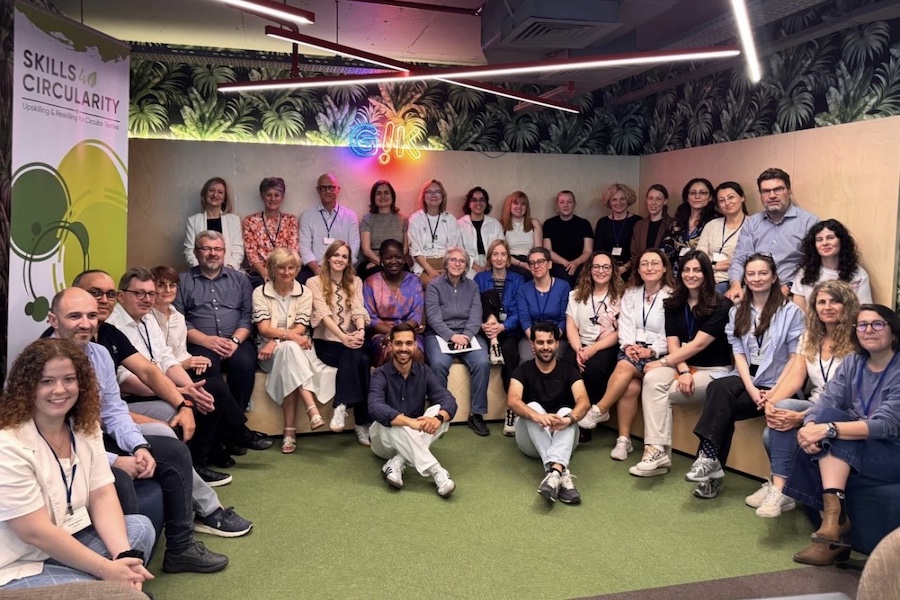
Based on the results of a comprehensive analysis, the Erasmus+ project Skills4Circularity is developing three practical training modules covering recycling technologies, eco-design for the circular economy and sustainable manufacturing. The content of the first module, Recycling Technologies, has now been developed and validated together with industry representatives. The module provides participants with knowledge of regulatory requirements, material sorting and the preparation of textile waste for recycling.

Growing volumes of textile waste, limited natural resources and new regulatory requirements are accelerating the transition towards a circular economy. Regulatory frameworks, collection and sorting systems, and advanced recycling technologies are closely interconnected and form the foundation of future circular textile systems.

The European Green Deal and the Circular Economy Action Plan provide the policy framework. Their objective is to keep products and resources in circulation for as long as possible while reducing the consumption of virgin raw materials.

The European Waste Framework Directive and Extended Producer Responsibility

The European Waste Framework Directive plays a central role by establishing the legal framework for waste prevention, recycling and resource conservation. Its current revision introduces binding requirements for clothing, textiles and footwear while strengthening the European strategy for sustainable and circular textiles.

A key element of the new legislation is Extended Producer Responsibility (EPR). In the future, manufacturers will also assume responsibility for their products after the end of their useful life. Producer Responsibility Organisations (PROs)support companies in meeting these obligations. EPR fees finance collection, sorting, reuse and recycling and are intended to become increasingly harmonised across Europe.

These regulatory measures respond to continuously growing material flows. According to Textile Exchange's Materials Market Report 2025, global fibre production could increase to around 169 million tonnes by 2030 if current trends continue. At the same time, approximately 92 million tonnes of textile waste are generated every year. This highlights the need to return end-of-life textiles to the textile value chain at the highest possible value.

Collection and sorting as the key to recycling

Successful collection depends not only on consumer participation but also on the accessibility and attractiveness of collection systems. Collected textiles must first be identified, classified and prepared for recycling. This includes removing non-textile components, separating damaged materials, dismantling individual components, cleaning and contamination control. Many of these processes are still only partially automated.

Sorting is the decisive factor in selecting the appropriate recycling pathway. Alongside manual sorting, automated technologies supported by RFID, sensor-based systems and artificial intelligence are becoming increasingly important. These technologies improve material identification and enable textiles to be assigned more accurately to the most suitable recycling process. Nevertheless, experienced personnel remain indispensable, particularly when handling complex fibre blends.

Selecting the appropriate recycling technology

Depending on fibre composition and origin, mechanical, chemical or thermal recycling technologies are applied. Production waste is generally more homogeneous and therefore easier to recycle than post-consumer textiles, which often consist of complex fibre blends and various contaminants.

The properties of recycled fibres vary according to the recycling process. Mechanical recycling generally shortens fibre length, whereas chemical recycling can produce fibres with properties comparable to virgin fibres. Spinning and downstream processing therefore need to be adapted to the specific characteristics of the recycled material.
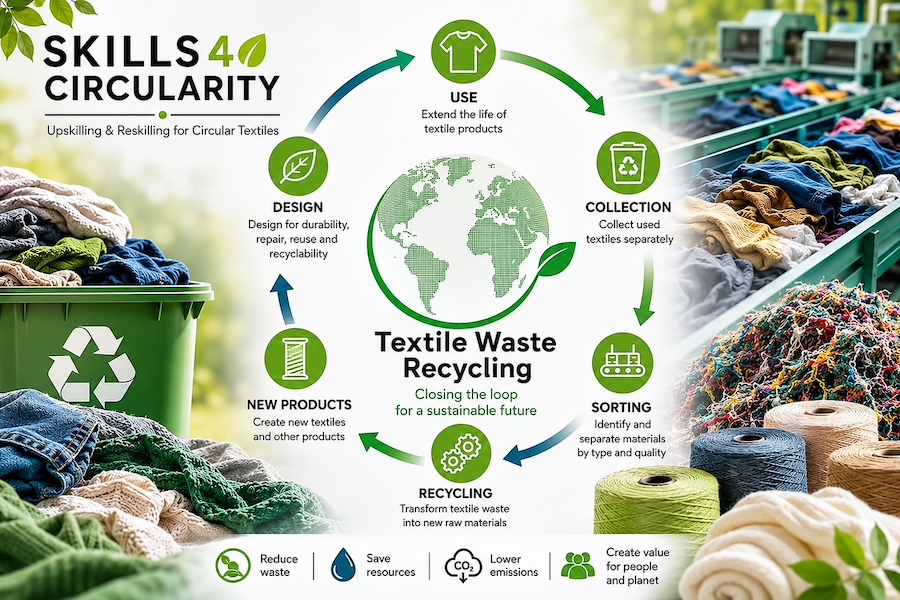
AI-generated, IVGT © 2026


Conclusion

The initial content developed for the Recycling Technologies module within the Skills4Circularity project demonstrates that textile recycling extends far beyond the recovery of fibres alone. High-quality circular textile systems can only be achieved through the interaction of European legislation, Extended Producer Responsibility, efficient collection and sorting systems, and recycling technologies tailored to specific material streams.

The module content was developed by the project partners Gheorghe Asachi Technical University of Iași (Romania), the Faculty of Textile Engineering at the Technical University of Liberec (Czech Republic), the University of Borås(Sweden) and INTEXTER at the Universitat Politècnica de Catalunya (Spain). It provides a systematic understanding of the relationships across the textile circular economy.

The transformation of the textile industry is therefore as much about policy and organisation as it is about technology.

www.ivgt.de | www.skills4circularity.com


Sources: Skills4Circularity; Textile Exchange: Materials Market Report 2025; Global Fashion Agenda/Boston Consulting Group: Pulse of the Fashion Industry 2017; UNEP: International Day of Zero Waste – Textiles; European Commission – Joint Research Centre (2021): Circular Economy Perspectives in the EU Textile Sector; Refashion (2020): Optical Sorting and Textile Recognition; Cura et al. (2021): Textile Recognition and Sorting for Recycling at an Automated Line Using Near Infrared Spectroscopy (Recycling, 6(1), 11).

https://www.unep.org/news-and-stories/press-release/unsustainable-fashion-and-textiles-focus-international-day-zero

https://textileexchange.org/knowledge-center/reports/materials-market-report-2025/


More News from Industrieverband Veredlung - Garne - Gewebe - Technische Textilien e.V.

#Recycling / Circular Economy

Eco-design as the foundation of circular textiles

Based on the results of an extensive European analysis, the Erasmus+ project Skills4Circularity is currently developing three practice-based training modules covering recycling technologies, eco-design for the circular economy and sustainable manufacturing. This was preceded by a comprehensive company survey and a joint analysis conducted by the project partners under the leadership of IVGT. The results show that the greatest challenges lie not so much in a lack of technology as in skills gaps.

#Associations

IVGT membership: expertise that pays off

For energy-intensive textile companies, government compensation mechanisms are an important economic factor. The IVGT successfully supports its member companies in applying for state aid and thereby regularly contributes to significant financial relief.

#Recycling / Circular Economy

The textile industry in transition

Recycling, traceability, eco-design and digitalisation are among the key future challenges facing the European textile industry. The Erasmus+ project Skills4Circularity, involving 21 partners from twelve countries, is investigating the skills required to address these challenges. As the German industry partner, the Industry Association for Finishing – Yarns – Fabrics – Technical Textiles (IVGT) is bringing the industry’s perspective to the project.

#Techtextil 2026

IVGT joint stand brings innovation and networking to Techtextil 2026

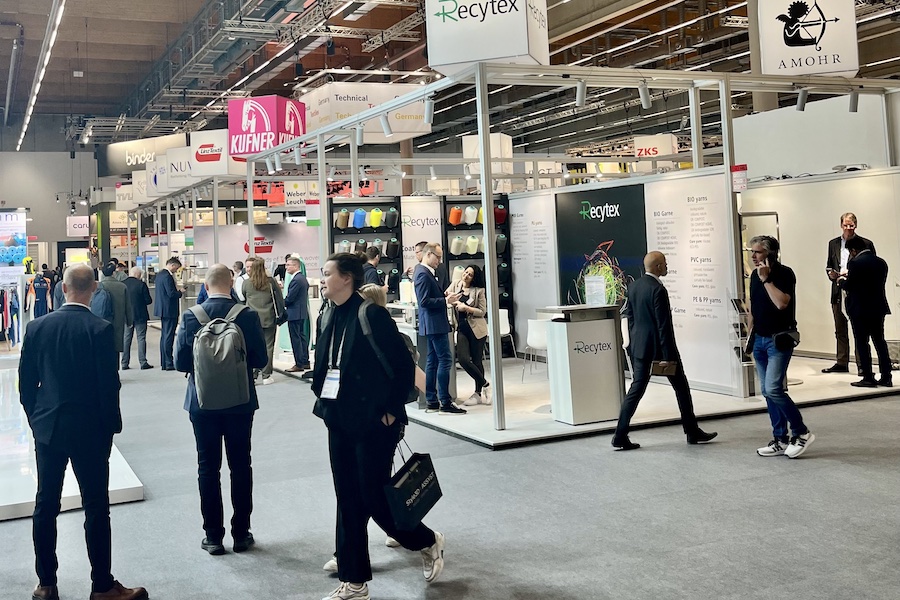
At Techtextil 2026 and the parallel Texprocess 2026, key transformation topics such as artificial intelligence, digitalisation, sustainability, recycling and the circular economy will be reflected across the show. Against this backdrop, the IVGT, together with 16 member companies, will present its joint stand in Hall 12.1 (Stand D62) as a platform for exchange and networking.

More News on Recycling / Circular Economy

#Recycling / Circular Economy

Recover™ names Enes Adak and Fehmi Yüksel as Co-CEOs to accelerate its next growth phase

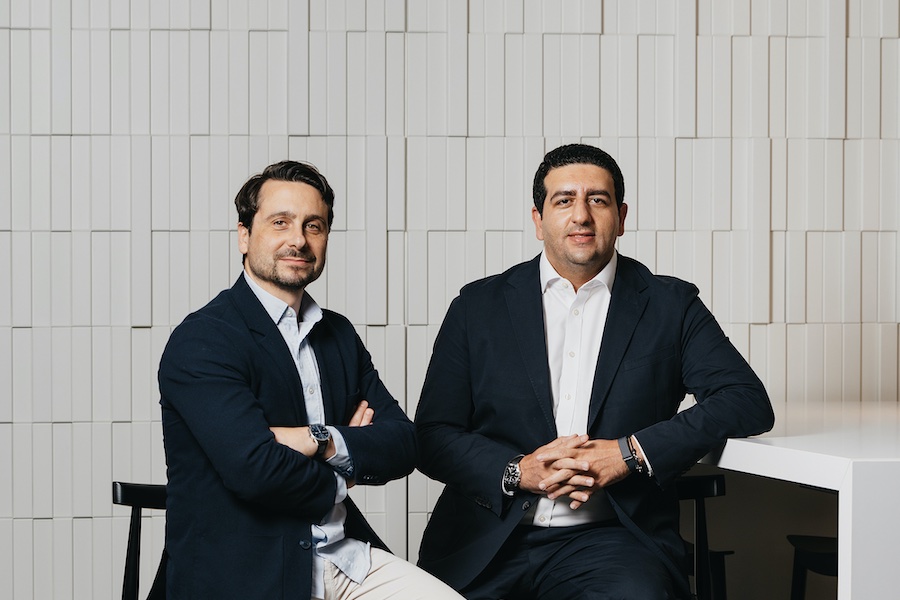
Recover™, a leading materials science company and global producer of consistent high-quality, recycled cotton fibers and circular material solutions at scale, today announced the appointment of Enes Adak and Fehmi Yüksel as Co-Chief Executive Officers. This leadership transition marks an important step in Recover’s evolution as the company enters its next stage of development.

#Recycling / Circular Economy

Arc'teryx introduces System 0™, a new framework for the future of product design and circularity

Arc'teryx Equipment, the global design company specializing in technical high-performance apparel and equipment, today introduced System 0™, a new framework that reimagines how products can be designed, manufactured, used, repaired, and ultimately regenerated. System 0 represents the next evolution for sustainability in the outdoor industry, as it embeds circular thinking across an entire product lifecycle while maintaining the uncompromising performance standards that define the Arc’teryx brand.

#Recycling / Circular Economy

2. RETRAKT EU Conference - „Join the Circle“: Turning challenges of the textile sector into chances

On 19 November 2026, the second RETRAKT EU Conference – “Join the Circle” will take place in Brussels. The event, which focuses on the transformation of the textile sector towards a circular economy, will be held under the motto: “Turning Challenges in the Textile Sector into Chances.”

#Recycled Fibers

Indorama Ventures supports KH Editions in building on its RECO experience Taking Thai circular fashion to New York Fashion Week

Indorama Ventures Public Company Limited, a global sustainable chemical company, is supporting KH Editions, a Thai fashion brand that has grown through the RECO program, by providing fabrics woven with deja™ recycled polyester yarn. The fabrics have been used to create two fashion looks and accessories from the brand’s ten-look Spring/Summer 2027 collection, which will be presented in New York City, United States, on 15 September 2026 during New York Fashion Week.

Latest News

TOP